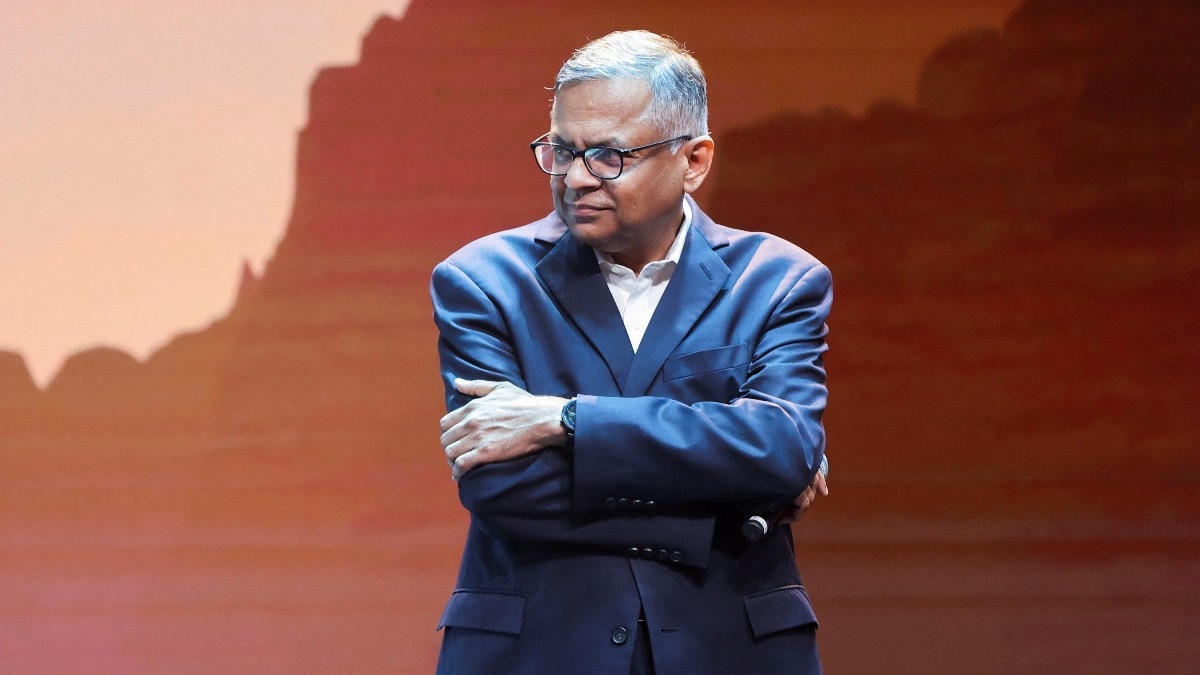
A significant rift has emerged within the Tata Sons board following Chairman N Chandrasekaran's decision not to seek reappointment in 2027, sparking a debate between retention and succession.
- N Chandrasekaran will not seek a third term as Tata Sons Chairman after February 20, 2027.
- The board is split between those wanting to persuade him to stay and those advocating for immediate succession planning.
- Sir Dorabji Tata Trust (SDTT) has formally requested the start of a selection committee for a new leader.
- Lack of unanimous support for a third term was a primary driver for Chandrasekaran's decision.
The leadership of one of India's most prestigious conglomerates is currently facing a period of internal uncertainty. N Chandrasekaran, the Chairman of Tata Sons, has formally communicated that he will not offer himself for reappointment when his current tenure expires on February 20, 2027. This announcement has triggered a strategic divide within the company's board of directors, creating a complex deadlock over the group's future trajectory.
The disagreement is not merely about who will lead the company next, but rather how the board should react to a voluntary exit. One faction of the board believes that given Chandrasekaran's decade-long stewardship and the stability he brought to the group, he should be persuaded to reconsider his decision. Conversely, another group argues that the decision is personal and the board must respect it, shifting focus immediately toward identifying a successor.
Why This Matters
BozokMedia analysis shows that this rift is symptomatic of deeper governance challenges within the Tata ecosystem. The transition of a Chairman in a trust-owned entity like Tata Sons is never a simple corporate hire; it is a delicate balance of power between the board and the principal trusts. A fragmented board during a leadership transition can lead to market volatility and strategic drift for the group's diverse portfolio.
The tension stems from a prolonged standoff regarding a proposed third five-year term. Reports suggest that Chandrasekaran's decision to step away was influenced by a lack of unanimous support for his reappointment, indicating that the internal consensus required for a long-term mandate was missing.
The struggle at Tata Sons is less about the individual and more about the institutional struggle to balance professional management with trust-led governance.
Adding to the complexity is the role of the Sir Dorabji Tata Trust (SDTT). Unlike some board members, the SDTT has taken a decisive stance. The trust has written to the board urging them to acknowledge the exit and immediately constitute a selection committee to identify a successor, as per the Articles of Association of Tata Sons.
The situation is further complicated by a dispute over representation between the two principal trusts. The Sir Ratan Tata Trust (SRTT) and the SDTT have reportedly been unable to jointly nominate a representative, leading to quorum issues that could hinder the formal appointment process of the next Chairman.
Frequently Asked Questions
When does N Chandrasekaran's current term end?
His current tenure as Chairman of Tata Sons expires on February 20, 2027.
What is the role of SDTT in this process?
The Sir Dorabji Tata Trust is a principal shareholder and has requested the board to begin the formal succession process immediately.