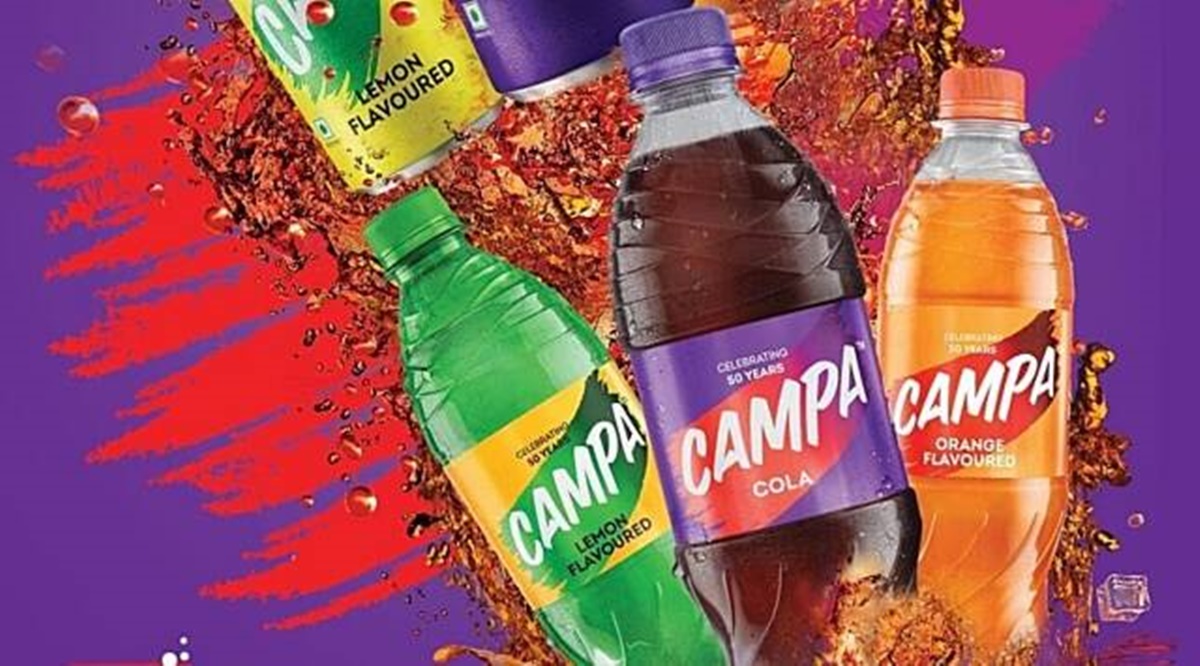
As Reliance's Campa Cola challenges global giants, we dive deep into the economic, technological, and regulatory reasons why iconic brands like Luna, Dalda, and Ambassador faded into history.
- Brands die not because of lack of love, but due to shifts in technology, economics, and culture.
- Regulatory changes in India historically created and then destroyed local soft drink monopolies.
- Survival requires constant evolution to match changing consumer aspirations and global standards.
Campa Cola, the nostalgic soft drink brand from the 1980s now resurrected by Reliance, is once again entering the battlefield. It is directly challenging the long-standing duopoly of Coca-Cola and Pepsi. This move highlights a fascinating business phenomenon: the lifecycle of a brand is rarely determined by consumer affection alone, but by the environment in which it operates.
The Impact of Economic and Technological Shifts
Many legendary brands fade because the world that made them relevant ceases to exist. Take Luna, for example. It was once India's go-to multi-purpose vehicle. However, as the Indian economy grew and disposable incomes rose, consumers moved from basic utility vehicles to motorcycles and cars. Luna’s value proposition simply couldn't keep pace with rising aspirations.
Similarly, the Ambassador car served as a symbol of power and bureaucracy for decades. Yet, the arrival of Maruti and subsequently global manufacturers with superior technology and efficiency rendered the Ambassador a relic of a bygone era. The story of BlackBerry follows a similar pattern; it was a king of email, but failed to transition when phones became pocket-sized computers.
Why This Matters
BozokMedia analysis shows that brand longevity is a race against obsolescence. In a hyper-competitive global market, a brand must evolve its core technology and identity or risk being relegated to the archives of nostalgia.
A brand is not a static entity; it is a living organism that must adapt to its ecosystem or face extinction.
The decline of Dalda showcases how nutritional science and cultural shifts can kill a product. What was once a modern cooking convenience became viewed as an unhealthy hydrogenated fat as health consciousness evolved. In the electronics sector, giants like BPL and Videocon were swept away by the rapid evolution of technology and the dominance of Korean giants like Samsung and LG.
Regulation: The Creator and Destroyer
In India, regulations played a pivotal role in shaping the beverage market. During the era of a closed economy, brands like Gold Spot and Citra thrived because Coca-Cola and Pepsi were restricted from operating. When the markets opened, these local brands struggled to compete with the massive marketing and distribution power of global players.
However, some brands managed to survive through sheer uniqueness. Thums Up maintained a cult following due to its distinctively strong taste, and Limca carved a niche with its unique cloudy lemon profile. These deviations from the norm allowed them to survive the onslaught of global competition.
| Industry | Survivors | Faded Brands |
|---|---|---|
| Soft Drinks | Thums Up, Limca, Campa Cola | Gold Spot, Citra |
| Automobiles | Maruti, Hyundai, Toyota | Ambassador, Premier Padmini |
| Electronics | Samsung, LG, Sony | BPL, Videocon, Onida |
Frequently Asked Questions
1. Can nostalgia alone save a brand?
Nostalgia can provide an initial boost and brand recognition, but long-term success requires modern relevance and quality.
2. Why did Campa Cola have a chance at a comeback?
Reliance identified the existing 'brand equity' and emotional connection consumers still held for the name, providing a foundation to rebuild.
