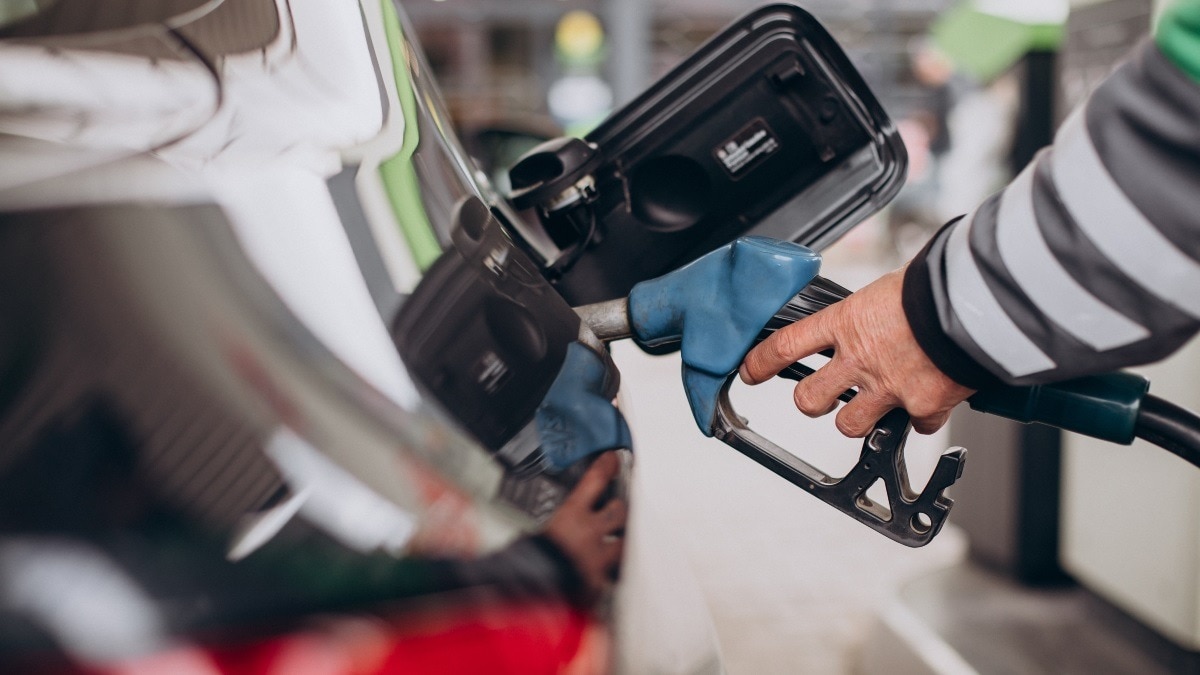
Amid rising concerns over engine damage and falling mileage in older vehicles due to E20 fuel, the Indian government is exploring the possibility of reintroducing E10 petrol.
- E20 fuel is causing mileage drops and engine component damage in pre-2023 vehicles.
- Initial discussions have begun between the government and the oil industry regarding E10 availability.
- The move aims to protect millions of older vehicles from technical degradation.
The ongoing controversy surrounding E20 petrol in India is taking a significant turn. While the government has aggressively pushed for higher ethanol blending to reduce fuel imports and support farmers, a growing segment of vehicle owners is expressing distress. Reports indicate that preliminary discussions have commenced between the government and the oil industry to evaluate whether E10 petrol can be offered as an alternative alongside E20 fuel.
The Technical Challenge
According to regulatory norms, all vehicles manufactured in India since April 2023 are designed to be E20 compliant. However, the vast fleet of vehicles produced before this period faces significant challenges. Owners have reported a noticeable decrease in fuel efficiency and potential damage to engine components, particularly rubber parts. Even the government has acknowledged in Parliament that E20 usage in older engines can lead to a mileage reduction of 3% to 6%.
Why This Matters
BozokMedia analysis shows that the lack of fuel choice creates a massive economic burden on middle-class consumers who own well-maintained but non-E20 compliant vehicles. The debate isn't just about chemistry; it's about the longevity of India's massive automotive ecosystem. If the government fails to provide a compatible fuel option, it could lead to premature vehicle scrapping and widespread consumer dissatisfaction.
Providing dual fuel options like E10 and E20 is essential to bridge the gap between green energy goals and consumer vehicle longevity.
Historical Background
India achieved its 20% ethanol blending target nearly five years ahead of schedule. This rapid transition led to E20 being promoted as the base fuel. However, the speed of this transition has outpaced the technological readiness of the existing vehicle population, creating the current friction between environmental policy and automotive reality.
Frequently Asked Questions
Question 1: Why is E20 harmful to older cars?
Answer: Older engines are not designed for high ethanol concentrations, which can degrade rubber components and reduce mileage.
Question 2: Will E10 petrol be available at all pumps?
Answer: This is currently under discussion between the government and industry bodies; no final decision has been made yet.