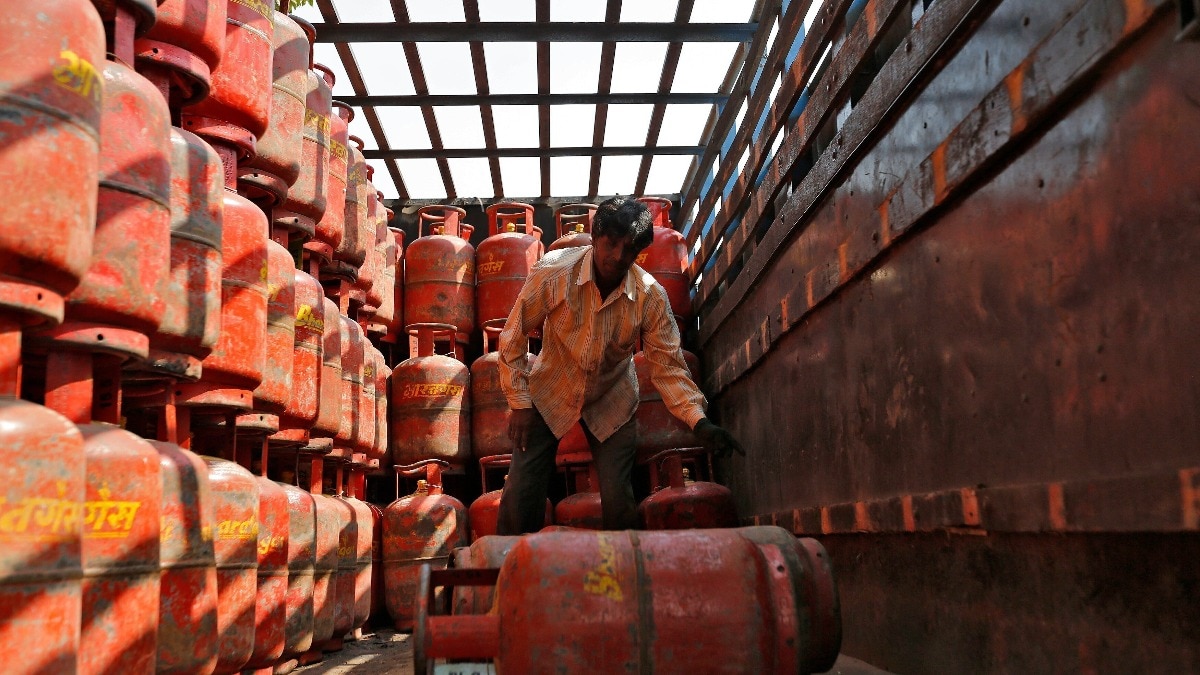
The Ministry of Petroleum and Natural Gas has rolled out a strategic incentive scheme to boost PNG connections, aiming to reduce India's heavy reliance on imported LPG. The move is set to slash investment recovery times for distributors significantly.
- New incentive scheme effective from September.
- Distributors to receive 200 standard cubic metres of cheaper gas per new household connection.
- Investment recovery period expected to drop from 10 years to 3 years.
- Strategy aimed at mitigating global fuel supply disruptions.
In a decisive move to bolster domestic energy infrastructure, the Indian government has introduced a new incentive scheme designed to rapidly expand the network of Piped Natural Gas (PNG) connections. The Ministry of Petroleum and Natural Gas announced that this scheme, scheduled to commence in September, will provide significant financial relief to city gas distributors.
Under the proposed framework, City Gas Distribution (CGD) companies will be granted an additional allocation of 200 standard cubic metres of cheaper domestic gas for every new household that successfully connects to the PNG network and begins active consumption. This move is intended to lower the overall procurement costs for these utility providers.
Why This Matters
BozokMedia analysis shows that this policy shift is a direct response to the volatility in global energy markets. With the US-Iran conflict disrupting traditional fuel corridors, India faces rising import costs. As the world's second-largest LPG importer, India relies on overseas supplies for nearly 60% of its LPG requirements, making the nation vulnerable to geopolitical shifts in the Middle East.
Transitioning from LPG to PNG is not just a convenience upgrade; it is a strategic necessity for India's long-term energy sovereignty.
The scale of opportunity is immense. While India currently boasts approximately 17.4 million domestic PNG connections, the number of active LPG customers stands at a staggering 331.4 million. This massive gap represents a significant growth runway for companies like Indraprastha Gas, Mahanagar Gas, and GAIL Gas.
Historical Background
The urgency of this move is underscored by recent import data. In 2025, India imported roughly 22 million metric tonnes of LPG, incurring an expenditure of nearly $12 billion. Because a vast majority of these imports originate from the Middle East, any regional instability directly translates into higher domestic prices and increased subsidy burdens for the government.
Frequently Asked Questions
1. How does the incentive help gas companies?
It allows them to recover their infrastructure investment in approximately 3 years, compared to the previous 10-year timeline.
2. When will the new scheme start?
The Ministry has confirmed the scheme will come into effect in September.