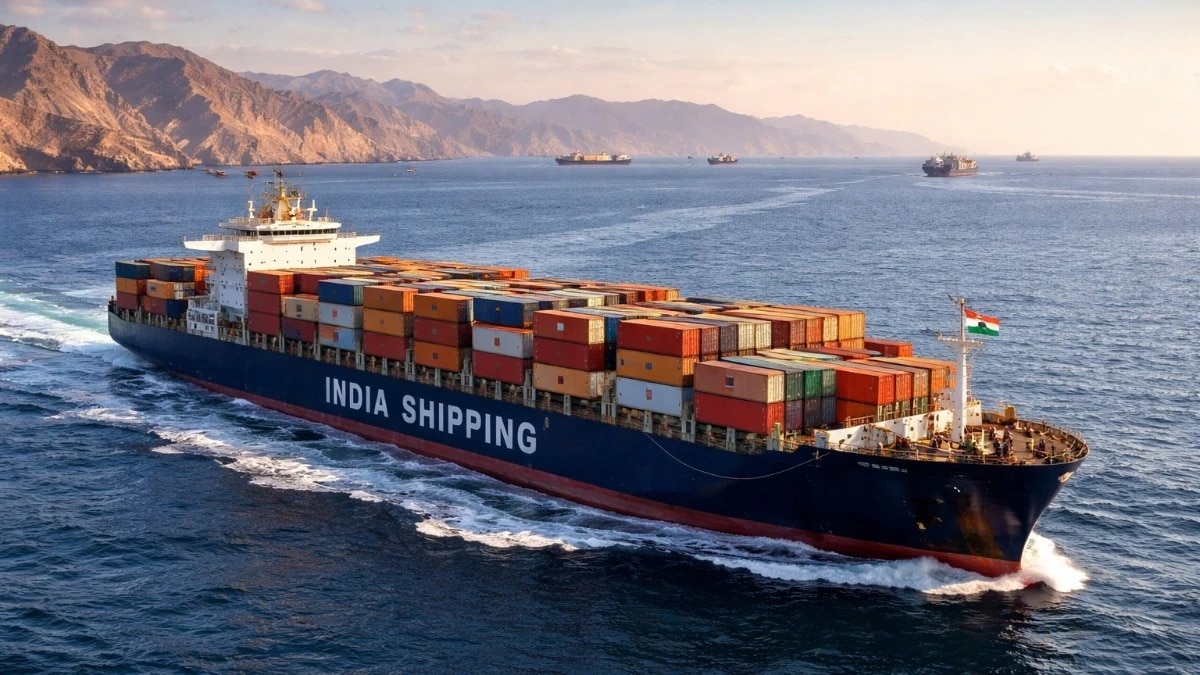
The Indian government is set to promote biofuel blending in marine fuels to reduce maritime pollution. DGMA has proposed a 10% biofuel blend, to be implemented in phases starting 2028.
- A minimum 10% biofuel blend in marine fuels has been proposed.
- Implementation will begin with an incentive phase on Jan 1, 2028.
- Mandatory compliance for coastal trade vessels starts Jan 1, 2029.
- The move aims to reduce greenhouse gas emissions in Indian coastal waters.
In a significant move towards sustainable maritime operations, the Indian government is expanding its biofuel roadmap beyond road transport. While the nation debates E20 petrol for cars, the Directorate General of Marine Administration (DGMA) has now proposed integrating biofuels into the marine sector to curb pollution from sea vessels. This strategic shift aims to transition Indian coastal shipping toward cleaner, renewable energy sources.
The 10% Biofuel Mandate
According to the draft roadmap released by the DGMA, homogeneous marine fuels used in shipping must contain at least 10% biofuel (E10). The primary objective is to reduce the carbon footprint and greenhouse gas emissions generated by vessels operating within Indian Coastal Waters. By utilizing 'drop-in' biofuels, the maritime industry can transition to greener energy without requiring massive, expensive overhauls of existing engine systems.
Why This Matters
BozokMedia analysis shows that this policy aligns perfectly with India's National Maritime Decarbonization Policy Framework (NMDPF) and the National Policy on Biofuels 2018. As global shipping faces increasing pressure to decarbonize, India's proactive stance positions its maritime sector as a leader in sustainable logistics and environmental stewardship.
Biofuel blending offers a cost-effective and immediate pathway to decarbonizing the heavy-duty marine transport sector.
Phased Implementation Timeline: The transition will follow a structured, phased approach to ensure industry readiness. Starting January 1, 2028, vessels engaged in Indian coastal business will be encouraged to use a 10% biofuel blend with MGO, VLSFO, or FO. Following this preparatory period, the blend will become mandatory on January 1, 2029, for all propulsion and auxiliary machinery in the specified trade sectors.
Impact on Industry Stakeholders
The implications of this roadmap extend far beyond ship owners. The regulation will impact a wide ecosystem including ship managers, operators, charterers, bunker suppliers, and fuel producers. Stakeholders must prepare for new requirements in fuel management, storage stability, crew training, and meticulous record-keeping of fuel consumption and performance.
Frequently Asked Questions
1. Which types of marine fuels will be affected?
The proposal covers Marine Gas Oil (MGO), Very Low Sulphur Fuel Oil (VLSFO), and traditional Fuel Oil (FO).
2. What is the main benefit of this transition?
The main benefit is a significant reduction in greenhouse gas emissions and a lower environmental impact on marine ecosystems.