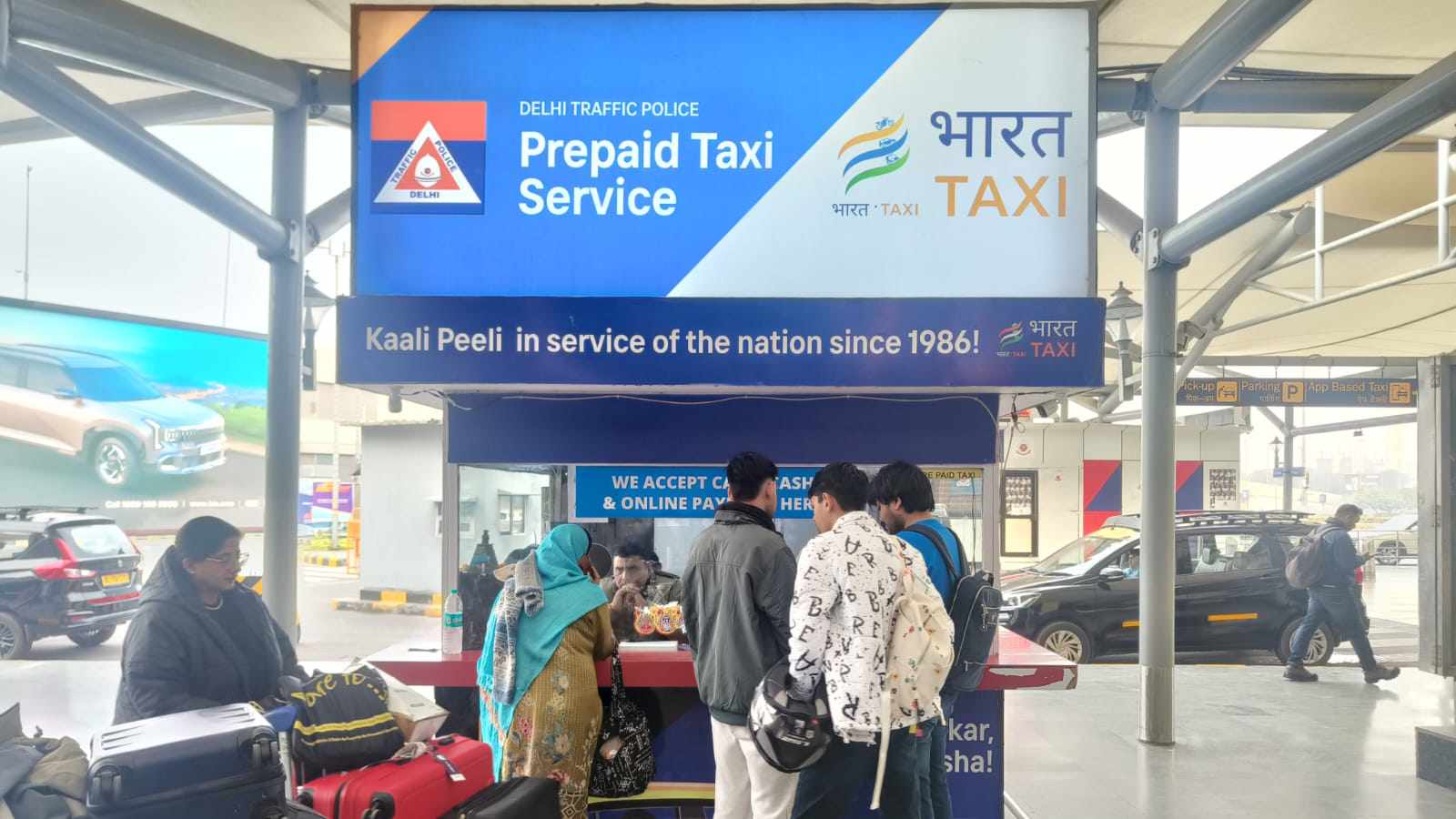
Six months after launch, government-backed Bharat Taxi faces a crisis as drivers in Delhi-NCR report a massive drop in monthly income due to high fares and lack of bookings.
- Bharat Taxi has 2.3 lakh registered drivers in Delhi-NCR, but active participation is struggling.
- Drivers report monthly earnings falling from ₹35,000 to as low as ₹18,000.
- High booking fares are driving customers toward competitors like Uber and Rapido.
- The company defends its pricing as 'driver-friendly' to cover operational costs like CNG and EMIs.
The gap between government-backed ambition and market reality is widening for cab drivers in the Delhi-NCR region. Bharat Taxi, a platform launched with the backing of Union Minister Amit Shah to empower drivers through a cooperative model, is facing significant headwinds. Drivers who joined with hopes of higher earnings are now reporting a drastic decline in their take-home pay.
Chaman Lal, a 40-year-old driver from Azadpur, is one of many struggling. Previously earning between ₹35,000 and ₹45,000 monthly via Uber and Rapido, Lal now finds himself waiting hours for a single booking. "I thought earnings would only increase; they could not fall," he lamented, highlighting the disconnect between the app's promise and its current performance.
Why This Matters
BozokMedia analysis shows that Bharat Taxi is caught in a classic pricing paradox. While the company aims to protect driver margins, its higher fare structure is alienating the very customers needed to generate volume. For instance, a trip from Connaught Place to IGI Airport costs ₹349 on Bharat Taxi, compared to just ₹258 on Rapido. This price gap is leading to high cancellation rates by customers.
"The success of a cooperative model in a cut-throat market depends on volume; without competitive pricing, even a zero-commission model fails to sustain the workforce."
In response to criticisms, Bharat Taxi spokespersons have clarified that the small fee charged (₹10 per ride or a membership-based ₹9) is an administrative charge, not a commission, intended to support infrastructure under the Multi-State Cooperative Societies Act, 2002.
Comparison: Bharat Taxi vs. Private Aggregators
| Feature | Bharat Taxi | Uber/Rapido |
|---|---|---|
| Commission Model | Zero-Commission (Admin Fee) | Percentage-based Commission |
| Pricing Strategy | Driver-centric (Covers EMI/CNG) | Customer-centric (Competitive) |
| Primary Issue | Low Volume/High Fares | High Commission Rates |
The company maintains that their fares are necessary to ensure drivers cover essential costs like CNG, vehicle EMIs, and maintenance. They also highlight additional benefits like health insurance, accident insurance, and potential dividends for drivers as the company scales.
Frequently Asked Questions
1. Why are Bharat Taxi fares higher than other apps?
The company states fares are calculated to include driver costs like CNG, vehicle maintenance, and EMIs.
2. Is Bharat Taxi a government app?
It is a government-backed cooperative platform designed to provide a fairer alternative to private aggregators.
