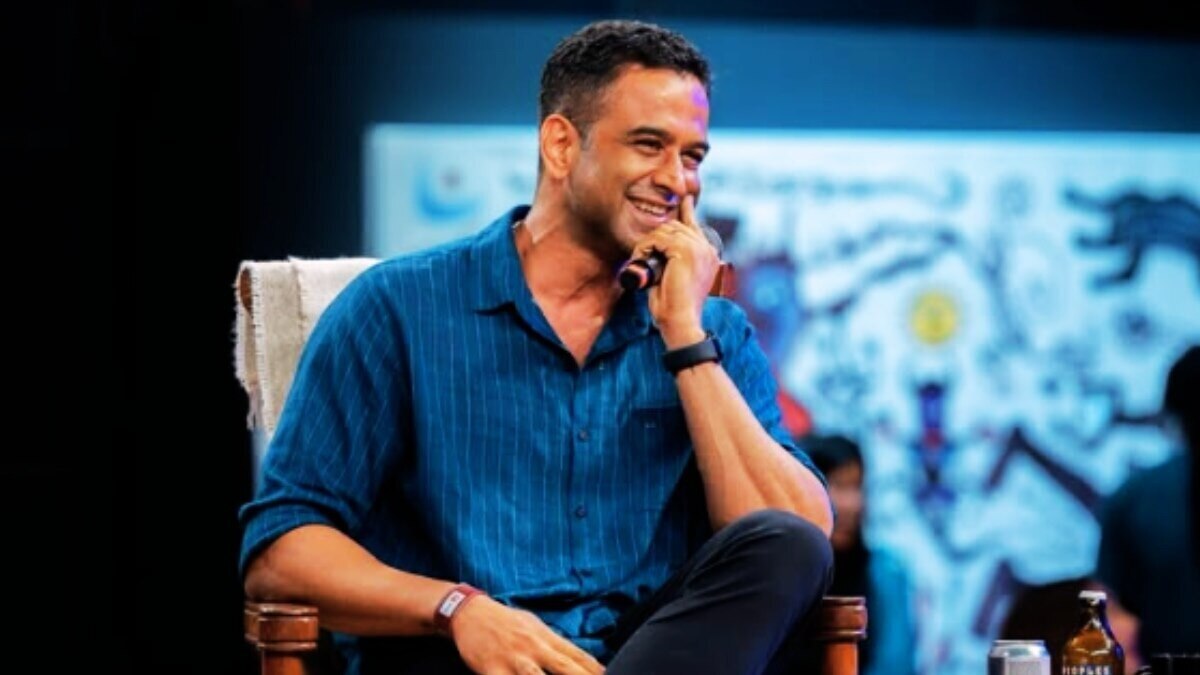
Zerodha co-founder Nithin Kamath suggests that Artificial Intelligence is poised to fundamentally reshape the trading landscape, creating a reality that looks radically different from today.
- AI is expected to fundamentally restructure traditional trading models and user experiences.
- The shift will move from manual analysis toward highly automated, intelligent systems.
- Technological evolution will drive both market efficiency and new systemic risks.
Nithin Kamath, the visionary co-founder of Zerodha, has sparked a significant conversation regarding the evolution of financial markets. He posits that the integration of Artificial Intelligence (AI) will not just be an incremental improvement but a radical transformation that will make current trading methods appear obsolete.
According to Kamath, the impact of AI will be so profound that the very essence of how trades are executed, analyzed, and managed will undergo a seismic shift. While today's traders rely heavily on manual technical analysis and human intuition, the AI era promises a transition toward predictive, data-heavy, and highly personalized automated environments.
Why This Matters
BozokMedia analysis shows that the democratization of high-level intelligence is the core of this shift. Historically, sophisticated predictive modeling was the exclusive domain of hedge funds and institutional giants. AI lowers this barrier, potentially allowing retail traders to access complex analytical capabilities previously reserved for the elite.
AI won't just assist trading; it will redefine the entire structural framework of how markets function.
Looking at the Historical Background of market evolution, we have moved from open outcry pits to electronic screens. Each era brought more speed and less human intervention. AI represents the next logical step in this continuum, where the 'machine' moves from being an execution tool to a decision-making partner.
However, this evolution is not without its perils. The rise of hyper-intelligent algorithms could lead to unprecedented market volatility or synchronized trading behaviors that trigger massive liquidity gaps. As the industry pivots, the balance between innovation and market stability becomes increasingly delicate.
Frequently Asked Questions
1. Will AI replace human traders?
Rather than total replacement, AI is expected to augment human capabilities, shifting the trader's role from execution to strategy oversight.
2. How can retail investors prepare for AI in trading?
Investors should focus on understanding tech-driven market dynamics and utilizing AI-enhanced tools for better risk management.
