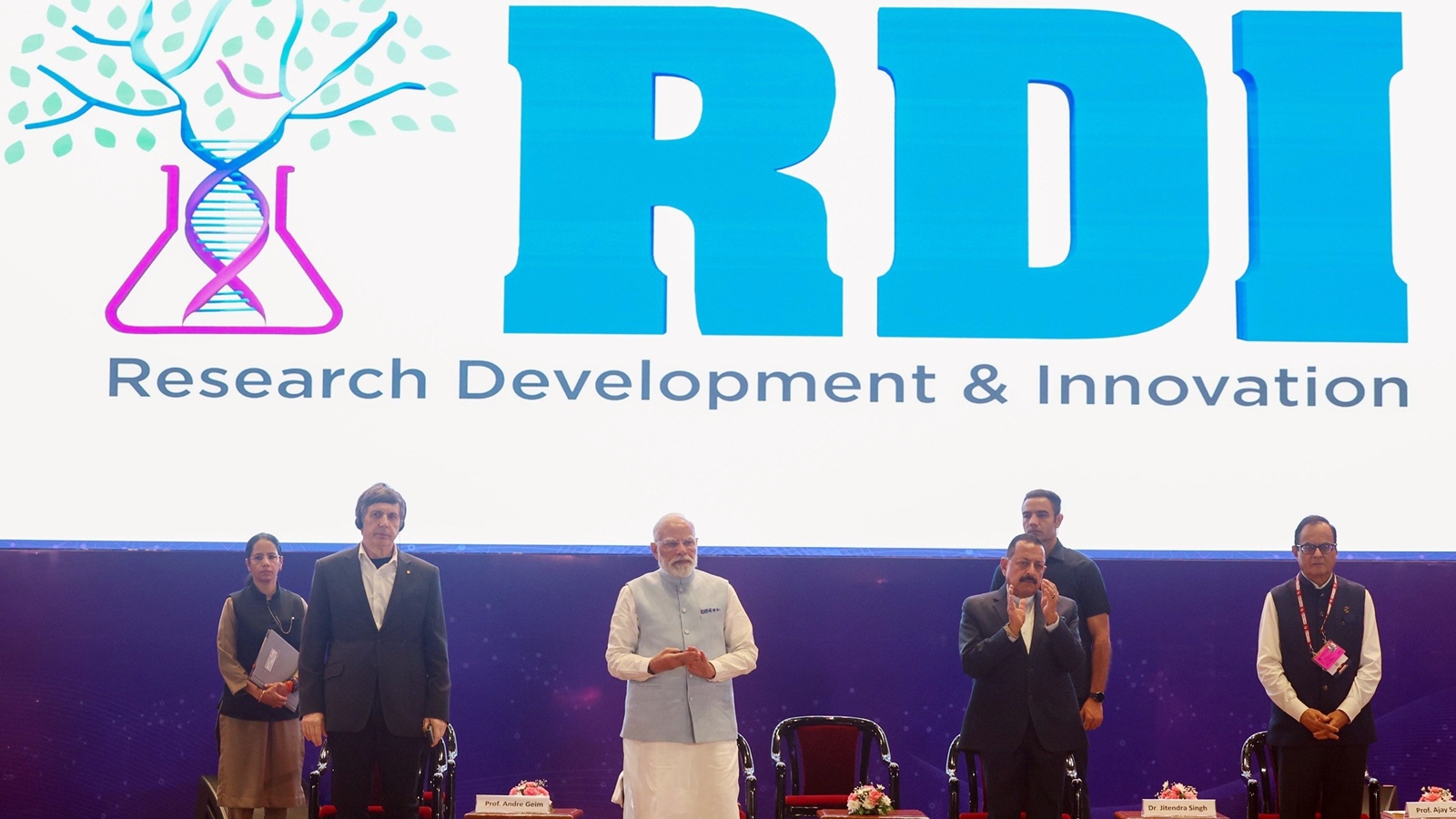
Experts argue that the presence of industry veterans in the RDI Fund's committee bridges critical information gaps rather than creating conflicts of interest.
- The RDI Fund aims to bolster India's technological sovereignty.
- Industry connections help bridge the gap between technical maturity and commercial viability.
- RDIF operates as a revolving capital mechanism rather than a one-time expenditure.
In the evolving landscape of deep-tech investment, the role of industry connections is being scrutinized. However, a closer look suggests that the presence of industry leaders in the Research, Development and Innovation (RDI) Fund committee is not a conflict of interest, but a strategic necessity. Expert judgment in deep-tech requires a unique proximity to both technological maturity and commercial viability—a combination that government officials or academics alone may lack.
Bridging the Informational Asymmetry
BozokMedia analysis shows that the primary challenge in high-tech funding is informational asymmetry. Industry veterans, who have built and engaged with India’s technology ecosystem, act as crucial inputs in the screening process. The scheme’s design specifically mandates an Expert Advisory Committee composed of eminent leaders from industry, investment, and R&D sectors to ensure informed decision-making.
Why This Matters
India has seen a surge in startup registrations, but it still lacks high-impact, global-scale technological players. The RDIF is designed to address this specific gap by targeting frontier sectors. Unlike conventional public expenditure, RDIF is a capital deployment mechanism that uses low-interest loans and equity, ensuring that the capital is recycled back into the Consolidated Fund of India.
Deep-tech investment demands a synergy of technical expertise and market insight that only industry veterans can provide.
The governance of RDIF includes robust safeguards. To prevent conflicts of interest, the committee utilizes mandatory recusal protocols and 'supermajority' rules for selecting investee companies. The success of this model is evident in the fact that many funded startups have strong institutional linkages to premier bodies like the IITs, signaling high technical merit.
Frequently Asked Questions (FAQ)
1. How does RDIF differ from traditional government grants?
Answer: Unlike one-time grants, RDIF is a revolving fund that deploys capital through loans and equity, aiming for capital recycling.
2. How are conflicts of interest managed in the committee?
Answer: The committee follows strict pre-investment guidelines, including mandatory recusal and supermajority voting rules.