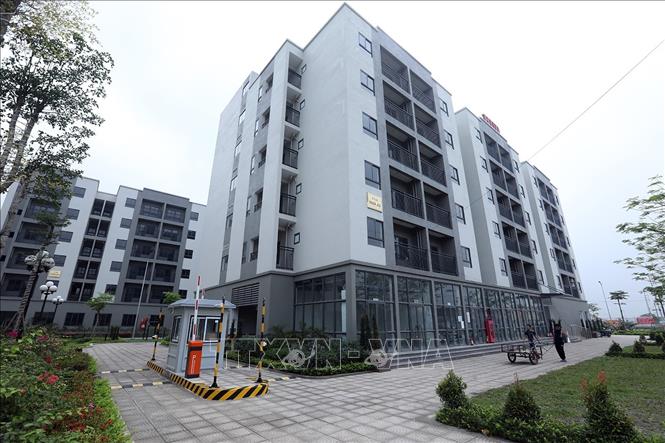
While Vietnam sees a surge in social housing projects with over 773,000 units underway, a critical shortage of rental housing for industrial workers remains a major concern.
- Vietnam has revised its social housing target to 1.14 million units by 2030.
- 875 projects are currently underway, covering over 773,000 apartments.
- A massive gap exists in rental housing, with demand exceeding 1 million units.
- New tax incentives and land reforms are driving private sector interest.
Vietnam is witnessing a significant push in its social housing sector. Following the implementation of the scheme to build at least 1 million social housing units by 2030, the country has seen 875 projects mobilized, accounting for more than 773,457 apartments. The Ministry of Construction reports that the momentum is increasing, with over 103,000 units expected to be completed in 2025 alone.
To meet the growing needs of the population, the government has officially increased the target for the entire period from 1.062 million to 1.1406 million units. This expansion reflects the growing complexity of urban planning and the rising demand from low-income earners and industrial workers.
Why This Matters
BozokMedia analysis shows that the success of this initiative is crucial for Vietnam's industrial stability. As the manufacturing sector grows, the availability of affordable housing directly impacts labor retention and social stability in industrial hubs.
Recent legislative changes, including the 2023 Housing Law and Resolution 201/2025, have been instrumental. Developers of social housing projects are now exempt from land use fees and enjoy a reduced corporate income tax of 10%, alongside a 5% VAT on sales and rentals. This shift from 'management' to 'encouragement' is designed to unlock private capital.
Policy shifts are moving from strict regulation to active facilitation, inviting private developers into the social welfare space.
However, land availability remains a nuanced issue. While over 10,000 hectares have been planned for social housing, much of this land is located far from urban centers and industrial zones. This creates a disconnect between where people live and where they work, potentially undermining the utility of the new developments.
The Rental Housing Gap
A striking revelation in the Ministry's report is the emergence of 'rental housing' as a distinct pillar of concern. There is an estimated demand for over 1 million rental units nationwide, with 85% of this demand coming from industrial workers. Currently, the supply of public rental assets—including social housing, official residences, and student dormitories—stands at only approximately 205,000 units.
| Metric | Social Housing Projects | Rental Housing Supply |
|---|---|---|
| Current Status | 773,457 units in progress | ~205,000 public units available |
| Primary Target | Low-income earners | Industrial workers & Students |
| Key Challenge | Location & Connectivity | Massive supply-demand gap |
The shortage of affordable rental options for the workforce remains the most significant bottleneck in achieving holistic urban stability.
Frequently Asked Questions
1. What is the new target for social housing in Vietnam?
The government has increased the target to 1.1406 million units by 2030.
2. Why is the location of land a problem?
Many allocated land plots are situated far from industrial parks and city centers, making commuting difficult for workers.

