Retail sales in Great Britain dropped by 0.5% in July as extreme heatwaves and shifting consumer priorities dampened non-food spending. While food and beverage demand rose, clothing and furniture sectors faced significant setbacks.
- Total retail volume fell by 0.5% in July according to ONS.
- Non-food sales plummeted by 1.3%, driven by a slump in clothing purchases.
- Food and drink demand saw a boost due to hot weather and football fever.
- Extreme heat shifted consumer spending toward hospitality and travel.
The retail landscape in Great Britain faced a cooling period this July, despite the soaring temperatures. The Office for National Statistics (ONS) reported that the volume of goods sold across both physical stores and online platforms fell by 0.5%. This marks a significant reversal from the growth seen in May and June, signaling a shift in consumer momentum.
Slump in Non-Food and Apparel Sectors
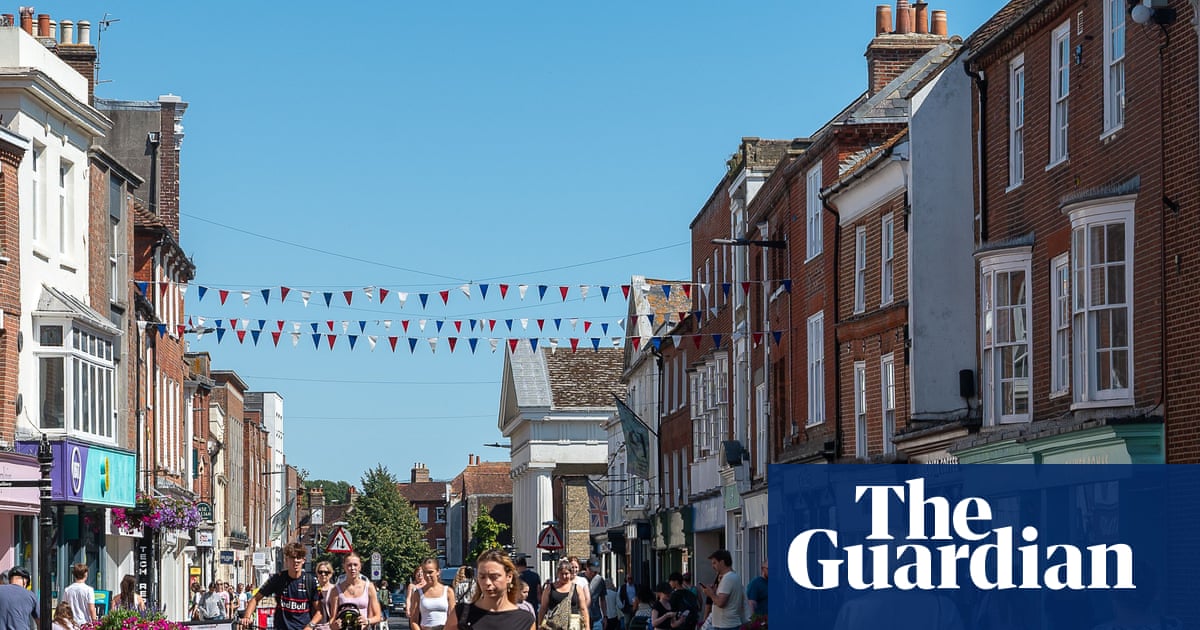
Non-food retailers bore the brunt of the downturn, witnessing a 1.3% decline in sales. A primary driver was the sharp drop in clothing sales, partly attributed to retailers pulling forward discount sales into June. Furthermore, the intense July heatwave discouraged traditional 'high street' shopping, as consumers preferred staying indoors to avoid the extreme temperatures.
Why This Matters
BozokMedia analysis shows that weather patterns are becoming a decisive factor in macroeconomic retail trends. The ability of the retail sector to maintain footfall during extreme climate events is becoming a critical challenge for traditional brick-and-mortar establishments.
Hotter days could have shifted footfall and spending online or towards retail parks, changing the traditional shopping dynamic.
The furniture sector also experienced a downturn, with households opting to delay home decor changes during the heat. Additionally, department stores struggled with inventory issues, as some retailers reported delivery delays caused by the weather conditions.
The Silver Lining: Food, Drink, and Hospitality
In contrast to the struggling retail sectors, the food and drink industry found strength in the summer heat and the excitement of the Men's Football World Cup. However, a statistical nuance is worth noting: much of the surge in spending occurred in pubs and sports bars, which are classified under 'hospitality' rather than 'retail' in official government data.
| Sector | Sales Trend | Primary Driver |
|---|---|---|
| Non-Food (Clothing) | 1.3% Decrease | Heatwave and early seasonal sales |
| Food & Drink | Increase | Hot weather and World Cup excitement |
| Furniture | Decrease | Avoidance of home projects during heat |
The British Beer & Pub Association highlighted the massive impact of the football tournament, noting that England's progress led to an extra 30 million pints being poured, generating an estimated £150 million in additional revenue for members.
Frequently Asked Questions
Question 1: Why did clothing sales drop in July?
Answer: A combination of early June sales and consumers avoiding the heat on high streets led to the decline.
Question 2: How did the World Cup affect the economy?
Answer: It provided a significant boost to the hospitality sector, specifically pubs and bars, rather than traditional retail stores.