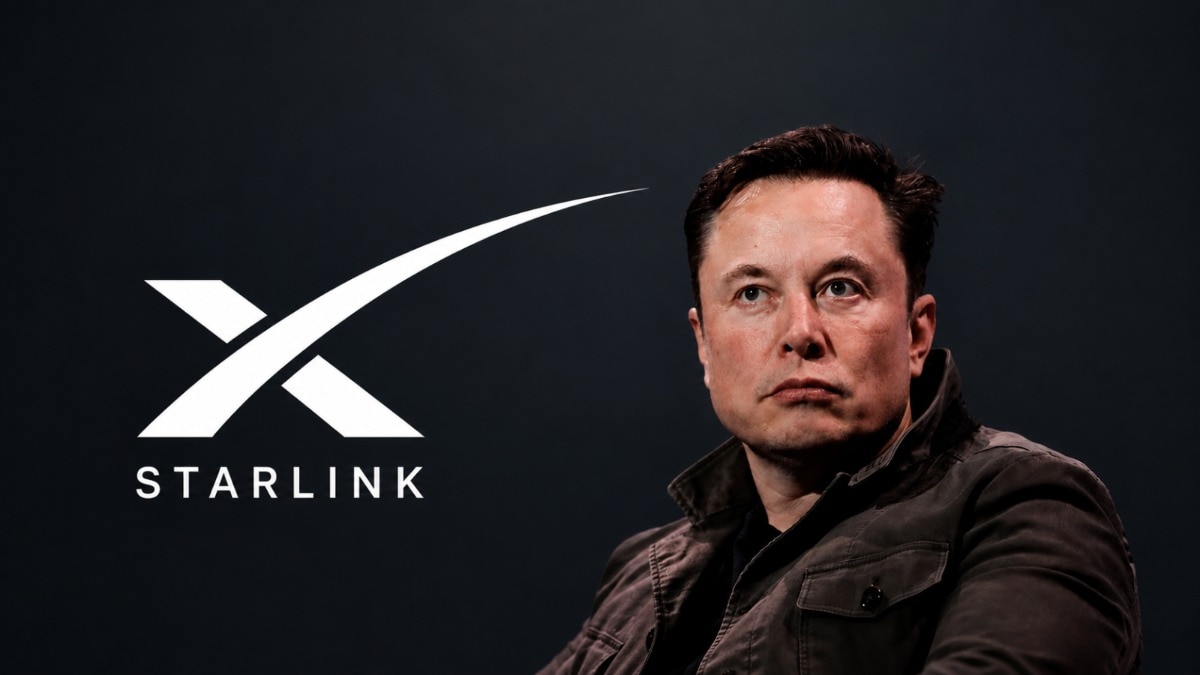
Despite previous setbacks in obtaining approvals, Elon Musk is once again courting the Indian market to deploy Starlink's satellite internet services.
- Elon Musk is actively pursuing Starlink's entry into the Indian telecom market.
- Previous regulatory snubs and licensing delays have slowed progress.
- Starlink aims to provide high-speed internet to remote and rural areas in India.
Tech visionary Elon Musk is making another strategic push into India. Starlink, the satellite internet division of SpaceX, is once again attempting to navigate the complex regulatory landscape of the Indian subcontinent. While the company faced significant setbacks and a lack of timely approvals in the past, Musk's persistence underscores the immense potential of the Indian consumer base.
The Indian telecommunications sector has been a challenging terrain for satellite internet providers. Stringent licensing requirements and debates over spectrum allocation have historically acted as barriers to entry for foreign players like Starlink. However, as India continues to push its 'Digital India' agenda, the appetite for high-speed connectivity is at an all-time high.
Why This Matters
BozokMedia analysis shows that Starlink's potential entry could drastically alter the competitive landscape of Indian internet services. By providing low-latency internet via satellite, Musk's venture could bridge the connectivity gap in India's most geographically isolated regions where traditional fiber-optic cables struggle to reach.
The Indian market represents one of the last great frontiers for global satellite internet providers due to its sheer scale and connectivity needs.
Historically, India has maintained a cautious approach toward foreign tech giants, prioritizing data sovereignty and local infrastructure development. For Starlink to succeed, it must not only provide superior technology but also align its operations with the mandates of the Telecom Regulatory Authority of India (TRAI).
The entry of Starlink is expected to spark a new wave of competition, pitting Musk against domestic giants like Reliance Jio and Bharti Airtel, both of whom are already exploring satellite-based communication technologies.
Frequently Asked Questions
1. Why has Starlink's launch in India been delayed?
The delays are primarily due to complex regulatory processes regarding spectrum allocation and licensing in India.
2. How will Starlink compete with existing ISPs?
Starlink will likely target niche markets and rural areas where traditional broadband infrastructure is non-existent or unreliable.