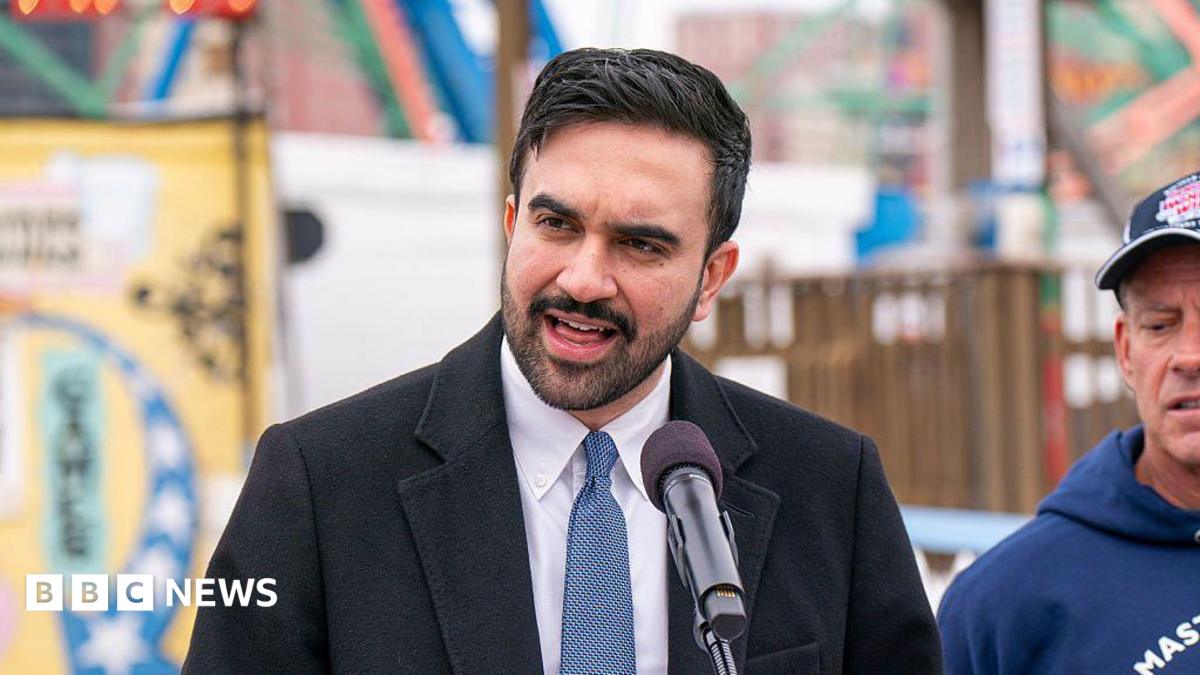
Mayor Zohran Mamdani's new 'pied-à-terre' tax on luxury second homes has ignited a firestorm in NYC, with critics calling the published property list a dangerous 'hit list'.
- Mayor Mamdani is implementing a tax on second homes valued over $5M or condos over $1M.
- A list of nearly one million properties was released, sparking massive privacy concerns.
- The tax aims to generate $500 million annually for social programs like childcare and transit.
In a city where owning even a single home is a luxury, the rollout of a new tax on secondary residences has sent shockwaves through New York City. Mayor Zohran Mamdani's administration has introduced a 'pied-à-terre' tax, targeting high-value second homes and luxury condos to fund essential social services.
However, the implementation has turned into a political and legal battlefield. The controversy centers on a massive list containing nearly one million property addresses and owner identities. City Council member Kamillah Hanks has condemned the move, describing the published data as a 'hit list' and a 'scarlet letter' that unfairly targets the wealthy and compromises their personal security.
Why This Matters
BozokMedia analysis shows that this conflict represents a fundamental tension in modern urban governance: the struggle to balance aggressive wealth redistribution with the privacy rights of citizens. While the administration seeks to solve the affordability crisis, the method of disclosure has opened a Pandora's box of litigation and security fears.
'Imagine the gift this is to scammers, to fraudsters, to anyone with ill will.' - Jason Haber, American Real Estate Association.
The list includes high-profile names such as director Woody Allen, editor Anna Wintour, and hedge fund manager Ken Griffin. While the Department of Finance maintains that the data was already public, critics argue that the government's decision to compile and highlight it serves to shame homeowners.
Historical Background and Global Context
The concept of taxing secondary or vacant homes is not unique to New York. Many global metropolises have used similar mechanisms to combat housing shortages. For instance, Paris, France, imposes significant surcharges on luxury properties, and Vancouver, Canada, utilizes an 'Empty Homes Tax' to discourage property speculation and increase housing availability.
| Location | Tax Mechanism | Primary Goal |
|---|---|---|
| New York, USA | Pied-à-terre Tax | Social welfare & infrastructure |
| Paris, France | Luxury Surcharge | Revenue generation |
| Vancouver, Canada | Empty Homes Tax | Housing affordability |
Mayor Mamdani's supporters, including residents like Beverly Solo, argue that the tax is a necessary contribution from those who enjoy NYC's luxury without paying full-time local income taxes. The projected $500 million in annual revenue is earmarked for universal childcare and improved bus services.
Frequently Asked Questions
1. Who is affected by the new tax?
Owners of second homes worth over $5 million or condos/co-ops worth over $1 million.
2. Why are people suing the city?
Homeowners have filed lawsuits seeking to unpublish the list of names and addresses due to security concerns.
