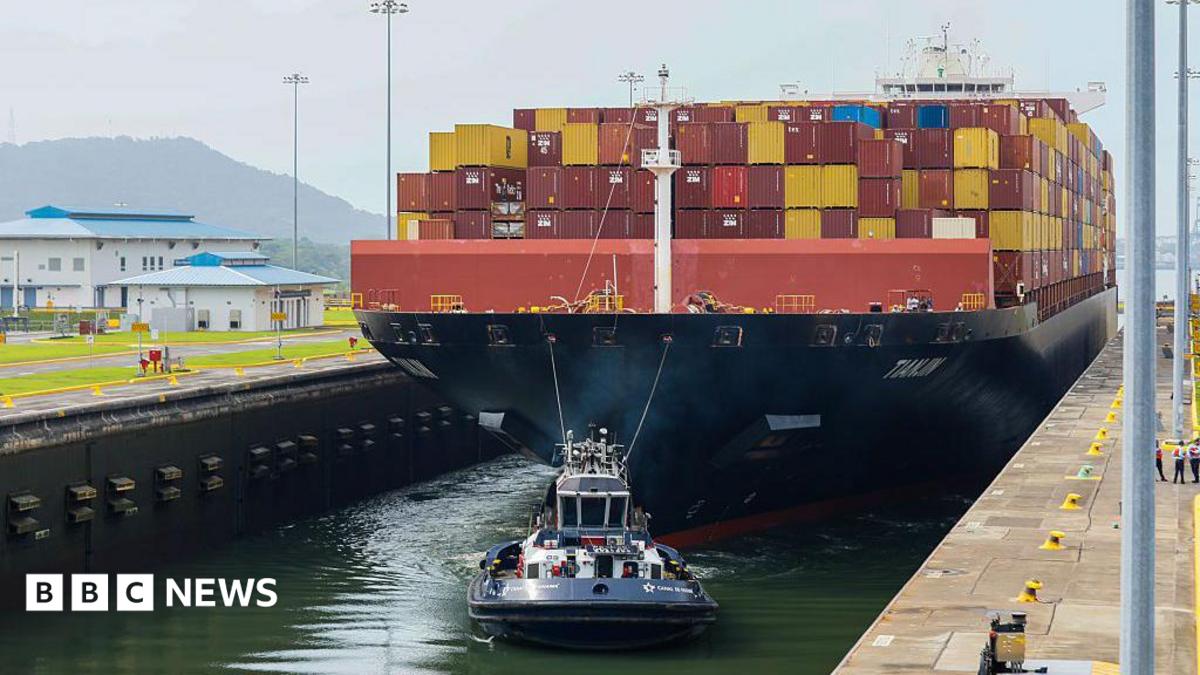
The Panama Canal Authority has announced a reduction in daily vessel transits starting September 2023 due to an unprecedented drought exacerbated by the El Niño weather pattern. This decision aims to conserve water resources but threatens to disrupt global shipping routes and supply chains already strained by geopolitical tensions.
- The Panama Canal Authority (ACP) will slash daily vessel transits from 36 to 32 starting September 15.
- Severe water shortages have been driven by an exceptionally strong El Niño weather pattern in Central America.
- The transit cuts come at a vulnerable time for global shipping, which is already facing geopolitical bottlenecks elsewhere.
The operator of the Panama Canal has announced a significant reduction in the number of vessels allowed to pass through the crucial waterway daily. The Panama Canal Authority (ACP) informed shipping firms that starting September 15, only 32 vessels per day will be permitted transit, down from the current limit of 36. This drastic measure follows a severe lack of rainfall driven by the ongoing El Niño weather pattern.
El Niño, a periodic warming of sea surface temperatures in the Pacific Ocean, alters global weather systems and has led to historically dry conditions in Central America. Meteorologists warn that this year's cycle is expected to be exceptionally strong, with its impacts further amplified by global climate change. Despite the arrival of the traditional rainy season, water levels in the canal's feeding lakes remain critically low, prompting urgent action.
The maritime shipping industry is already navigating a complex landscape of disruptions, notably in the Middle East where tensions have reduced traffic through the vital Strait of Hormuz. The ACP emphasized that these new restrictions are necessary to guarantee operational reliability and to safeguard precious freshwater resources reserved for local human consumption.
Why This Matters
BozokMedia analysis shows that the Panama Canal serves as a primary conduit for roughly 6% of global maritime trade. Any bottleneck here creates a domino effect across international supply chains, driving up freight costs, delaying consumer goods, and forcing massive container ships to take longer, more expensive alternative routes around South America or Africa.
"The intersection of climate instability and critical trade chokepoints represents the single greatest threat to modern supply chain resilience."
The artificial waterway, which operates 24 hours a day, 365 days a year, drastically shortens the transit time between the Atlantic and Pacific oceans. Approximately 14,000 vessels utilize the canal annually, generating nearly $3 billion in revenue for Panama. In 2023, the ACP was forced to implement similar measures during a record-breaking dry spell, which saw Panama suffer its driest October since records began in 1950.
| Metric | Before September 2023 | After September 15, 2023 |
|---|---|---|
| Daily Vessel Capacity | 36 ships | 32 ships |
| Annual Transit Volume | ~14,000 ships | Expected Decline |
| Annual Revenue Contribution | ~$3 Billion | Projected Decrease |
While the ACP has already introduced advanced water-saving technologies, the authority stated that additional restrictions are crucial "to support the long-term sustainability of transit operations." With forecasts suggesting this El Niño could become one of the most severe on record, the economic fallout could reverberate through global food supplies, energy markets, and retail sectors well into next year.
Frequently Asked Questions
Q1: Why does the Panama Canal require fresh water to operate?
A1: The canal operates via a gravity-fed lock system that uses fresh water from Gatun Lake to raise and lower ships over the continental divide. Low lake levels directly limit the canal's draft and transit capacity.
Q2: How will these transit cuts affect global consumers?
A2: Reduced capacity leads to shipping backlogs, increased spot freight rates, and delayed deliveries, which ultimately translate to higher retail prices for consumer goods worldwide.