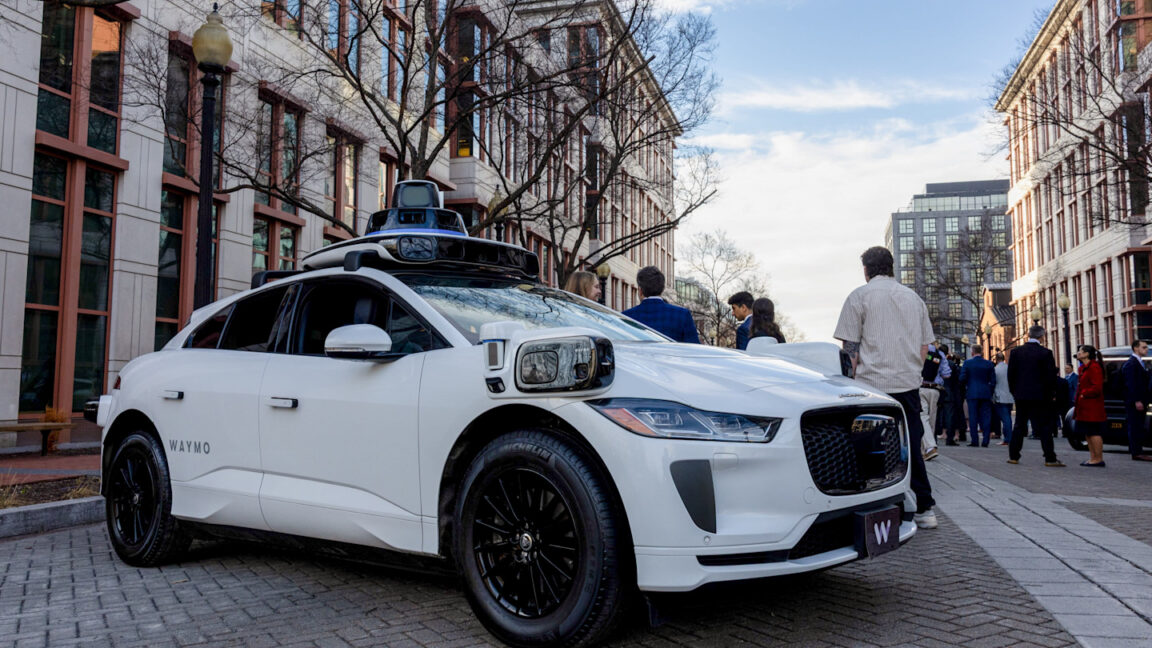
Alphabet-owned Waymo has significantly ramped up its lobbying efforts, spending over $1 million to persuade US regulators to fast-track fully autonomous taxi services.
- Waymo spent over $1 million on federal lobbying between April and June.
- Spending has more than doubled compared to the previous year.
- Waymo is positioning itself ahead of rivals like Tesla and Amazon's Zoox in regulatory influence.
The battle for the future of autonomous mobility is intensifying. Waymo, a subsidiary of Alphabet, has sharply increased its lobbying expenditures as it attempts to persuade US regulators to pave a clear path for fully driverless commercial taxi services. This strategic move marks a direct escalation in its competition with ride-hailing giant Uber.
According to recent regulatory filings, Waymo spent upwards of $1 million on federal lobbying between April and June. This represents more than a twofold increase from its spending during the same period last year. This aggressive financial deployment puts Waymo’s influence levels close to those of Uber and significantly ahead of other industry heavyweights, including Tesla and Amazon’s Zoox.
Why This Matters
BozokMedia analysis shows that this is not merely a spending race, but a fundamental clash of business philosophies. Waymo is pushing for an accelerated transition to a completely driverless commercial ecosystem. In contrast, Uber is advocating for a hybrid model where robotaxis operate alongside human drivers, ensuring a more staggered and integrated rollout.
The winner of the robotaxi race won't just be the one with the best AI, but the one that successfully navigates the complex web of federal regulations.
As Waymo seeks to remove regulatory hurdles, the stakes involve the very structure of urban transportation. The massive influx of capital into lobbying suggests that the company views legislative approval as the primary bottleneck to its global expansion.
Historical Background
While companies like Tesla have focused on consumer-facing assisted driving technology, Waymo has carved out a niche by focusing on purpose-built, fully autonomous fleets. The transition from human-operated vehicles to autonomous fleets has been a gradual process involving years of testing and intense scrutiny from the Department of Transportation.
Frequently Asked Questions
1. Why is Waymo lobbying so heavily?
To secure regulatory approval for fully autonomous, driverless commercial operations across the US.
2. How does Uber's strategy differ?
Uber supports a transition where autonomous vehicles work in tandem with human drivers rather than replacing them immediately.