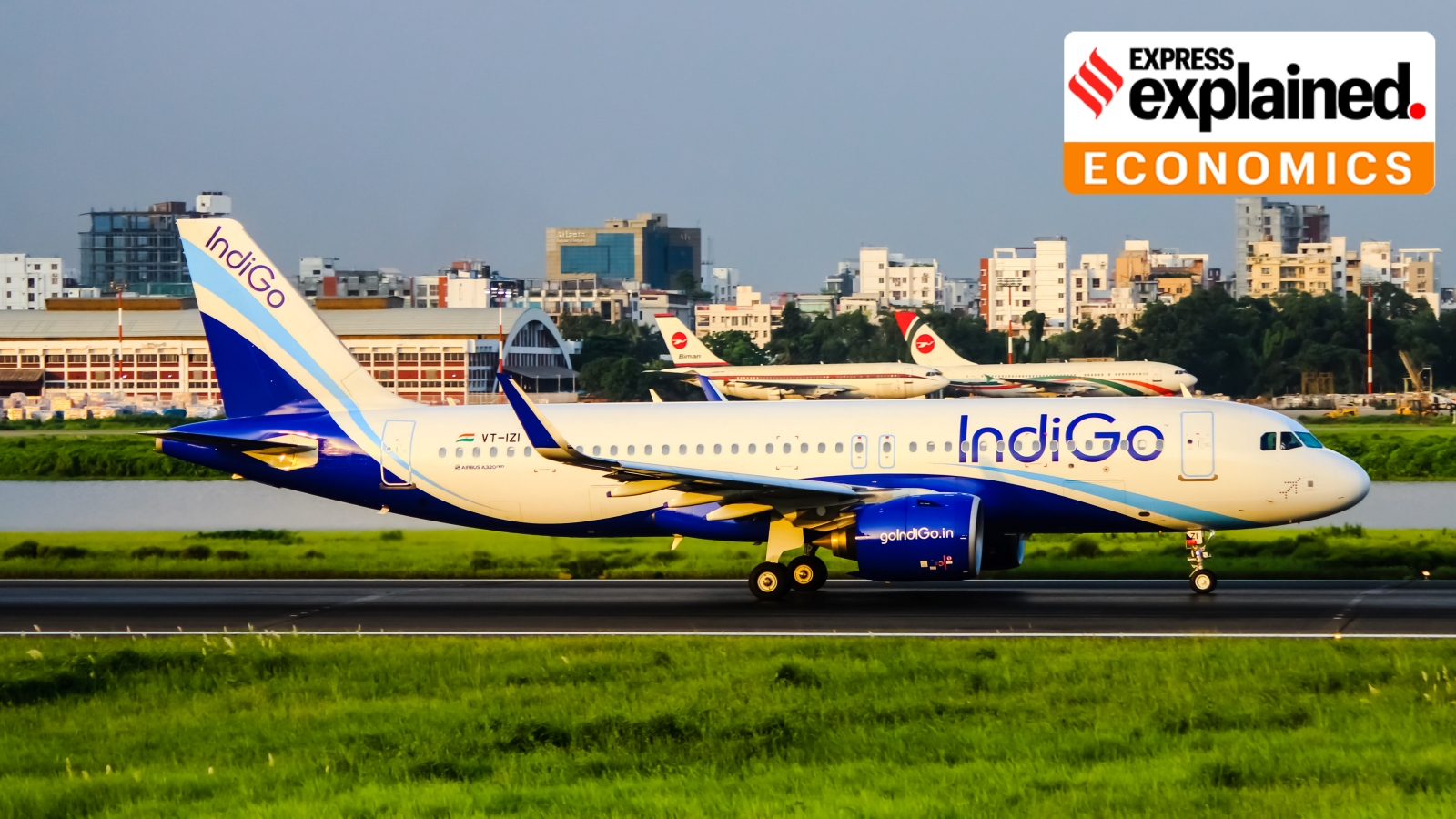
The West Asia conflict and the closure of Pakistani airspace have caused a massive slump in international passenger traffic for Indian carriers, allowing foreign airlines to dominate the market.
- Indian carriers saw a massive 26.6% decline in international passenger traffic.
- Foreign airlines increased their market share to 62.7% from 53.8%.
- The ban on flying over Pakistani airspace has made routes longer and more expensive for Indian airlines.
- Major players like IndiGo and Air India suffered significant passenger losses.
The ongoing conflict in West Asia has sent shockwaves through the global aviation industry, but the impact has been disproportionately severe for Indian airlines. According to recent data, India's total international air passenger traffic fell by 9.1% year-on-year in the first quarter of the current financial year. Crucially, this decline was driven almost entirely by domestic carriers losing ground to international competitors.
The Shift in Market Dynamics: Domestic vs. Foreign Carriers
Analysis of data released by the Directorate General of Civil Aviation (DGCA) reveals a stark contrast in performance. While Indian carriers' combined international passenger numbers plummeted by 26.6% to 64.2 lakh, overseas airlines actually expanded their cumulative passenger base by 6% to 1.08 crore. This shift has seen foreign operators' market share climb to 62.7%, up from 53.8%, while Indian carriers dropped to 37.3%.
The primary drivers behind this downturn include the curtailment of flights to West Asian markets like the UAE and the operational nightmare caused by the closure of Pakistani airspace. Since late April 2025, Indian aircraft have been barred from flying over Pakistan, forcing them to take significantly longer and less efficient routes.
Why This Matters
BozokMedia analysis shows that this is not merely a seasonal fluctuation but a strategic setback. The inability to use Pakistani airspace forces Indian airlines to adopt longer flight paths and introduce unplanned refueling halts on West-bound routes from major hubs like Delhi. This increases fuel consumption and operational costs, making Indian carriers less competitive compared to foreign airlines that have better access to direct corridors.
The closure of Pakistani airspace has acted as a major strategic bottleneck, providing a massive competitive advantage to foreign carriers.
Looking at individual airline performance, IndiGo, the largest Indian carrier on international routes, saw a 15.4% decline in flyers. Air India faced an even steeper drop of 27.2%, with its international market share contracting significantly. Meanwhile, SpiceJet, already facing financial headwinds, saw its international passenger numbers crash by 56%.
Comparative Performance of Major Airlines
| Airline | Passenger Change (Y-o-Y) | Market Share Shift |
|---|---|---|
| IndiGo | -15.4% | 20.9% to 19.4% |
| Air India | -27.2% | 14% to 11.2% |
| Emirates | +7.3% | Increased |
| Saudia | +50% | Increased |
Conversely, foreign airlines have capitalized on the situation. Emirates managed to grow its passenger numbers by 7.3% despite the regional instability, and Saudia recorded a massive 50% increase in flyers. These international carriers have been able to absorb the shocks of rising jet fuel prices more effectively than their Indian counterparts due to more direct routing options.
Frequently Asked Questions
1. Why are Indian airlines losing passengers to foreign carriers?
The combination of the West Asia war and the ban on using Pakistani airspace has increased costs and travel times for Indian airlines, making them less attractive than foreign alternatives.
2. Which Indian airline managed to grow its international presence?
Akasa Air was the notable exception, recording a 26% increase in international passenger traffic by expanding into non-West Asia markets.


