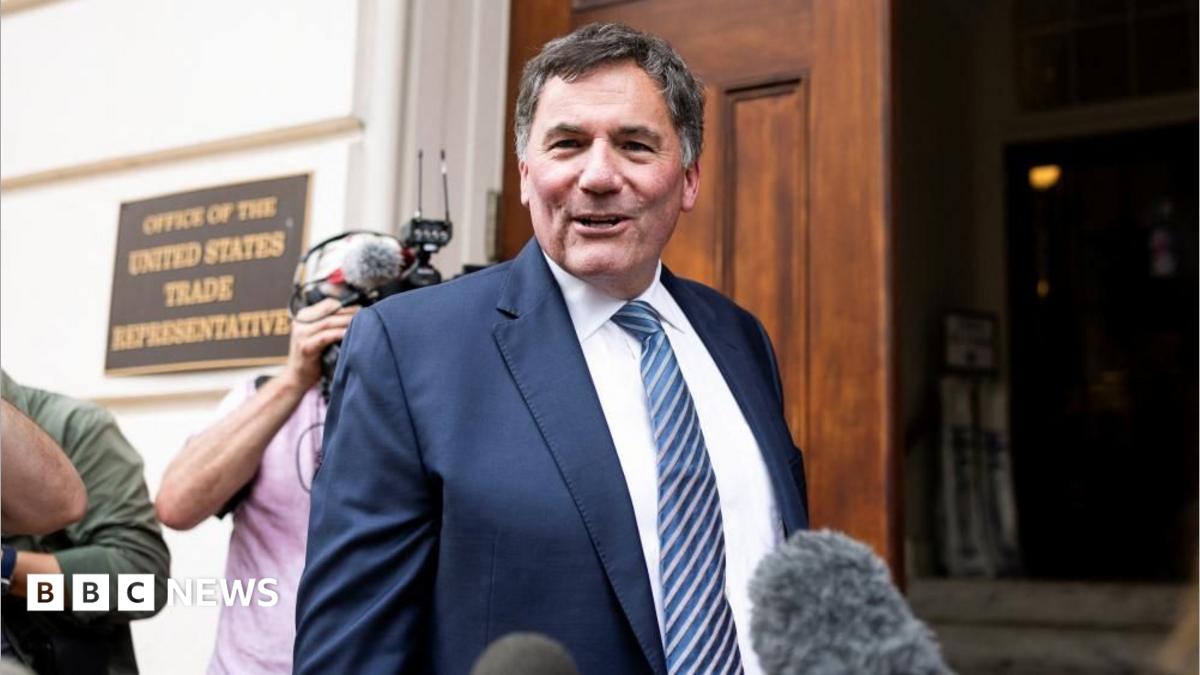
High-stakes negotiations between Canada and the US are racing against a midnight deadline to avert a massive wave of new tariffs.
As the clock ticks toward a midnight deadline, Canadian Trade Minister Dominic LeBlanc has signaled that the marathon negotiation sessions in Washington are far from over. Speaking to reporters on Friday evening, LeBlanc emphasized that "our job is not finished," highlighting the intense pressure to hammer out a deal before the US-set cutoff.
The stakes could not be higher for the Canadian economy. If a deal is not reached, the Trump administration is poised to implement a fresh wave of aggressive tariffs on a wide array of Canadian products, ranging from heavy metals to consumer goods like hockey equipment and wine.
Why This Matters
BozokMedia analysis shows that this negotiation represents a pivotal moment for North American trade relations. The outcome will determine whether the continent moves toward deeper integration or enters a period of heightened protectionism that could destabilize supply chains and labor markets.
Leaked details suggest a potential compromise: the US may lower tariffs on Canadian steel and aluminum from 50% to 25%, and on automobiles from 25% to 15%. In return, Canada may need to grant American dairy producers greater market access and restore the sale of American alcohol, a move that has met resistance from several provincial leaders.
The tension between economic necessity and national sovereignty is at the heart of this trade standoff.
Domestic political pressure is mounting on Prime Minister Mark Carney. While some provincial leaders like Manitoba's Wab Kinew urge Canada to hold out for better terms, others face the reality of potential job losses. Economist Trevor Tombe estimates that new tariffs could cost Canada up to 90,000 jobs.
Opposition leader Pierre Poilievre has been vocal in his criticism, labeling any agreement involving one-sided concessions as a "bad deal" that risks the de-industrialization of the Canadian economy. Meanwhile, US Vice-President JD Vance has dismissed Carney's negotiating stance, suggesting the Canadian leader is merely attempting to project toughness while ultimately making concessions.
Frequently Asked Questions
1. What happens if the deadline passes without a deal?
The US could implement significant tariffs on Canadian steel, aluminum, autos, and other goods, potentially leading to a trade war.
2. What are the main points of contention in the deal?
Key issues include US dairy market access, Canadian tariffs on American alcohol, and the level of protection for the Canadian steel and auto industries.