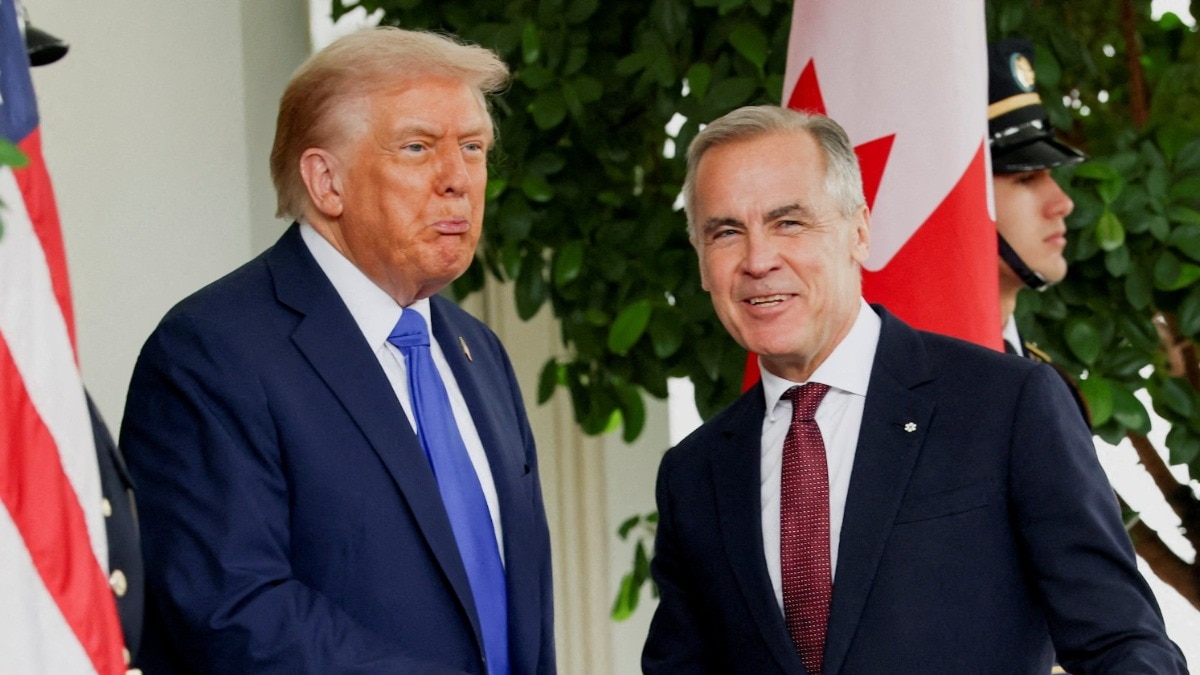
Following the breakdown of critical trade discussions between Canada and the United States, Mark Carney has drawn clear battle lines regarding potential tariff escalations.
- Diplomatic trade negotiations between Canada and the US have reached a standstill.
- Mark Carney has signaled a firm stance on retaliatory tariffs.
- Economic stability in North America faces significant uncertainty due to this collapse.
The diplomatic landscape of North American trade has shifted dramatically following the collapse of high-stakes negotiations between Canada and the United States. In the wake of the failed talks, prominent economic figure Mark Carney has effectively drawn battle lines, signaling that the era of easy cooperation may be giving way to a period of aggressive tariff-based maneuvering.
The breakdown in communication appears to stem from fundamental disagreements over protectionist measures and the imposition of new tariffs. As the two nations struggle to find common ground, the specter of a retaliatory "dollar-for-dollar" tariff war looms large, threatening to disrupt one of the world's most integrated economic corridors.
Why This Matters
BozokMedia analysis shows that this collapse is not merely a bilateral dispute but a symptom of a broader global trend toward economic nationalism. The interdependence of the US and Canadian economies means that any escalation in tariffs will have immediate ripple effects on the automotive, energy, and agricultural sectors, potentially driving up costs for consumers on both sides of the border.
The move toward tariff-based diplomacy marks a dangerous shift from cooperative trade to economic warfare.
Historical Background: For decades, the US-Canada relationship has been defined by the USMCA and various free trade agreements designed to minimize barriers. However, recent shifts in political ideologies in both nations have tested these frameworks, moving the focus from open markets to domestic industrial protection.
As Carney’s comments suggest, the stakes are no longer just about market access; they are about economic sovereignty. The failure of these talks suggests that both nations are bracing for a period of friction that could redefine North American commerce for years to come.
Frequently Asked Questions
1. What led to the collapse of the Canada-US talks?
The primary friction points involve disagreements over tariff structures and the implementation of protectionist trade policies.
2. How will Mark Carney's stance affect markets?
Carney's involvement highlights the seriousness of the situation, likely causing increased volatility in North American stock markets and currency values.