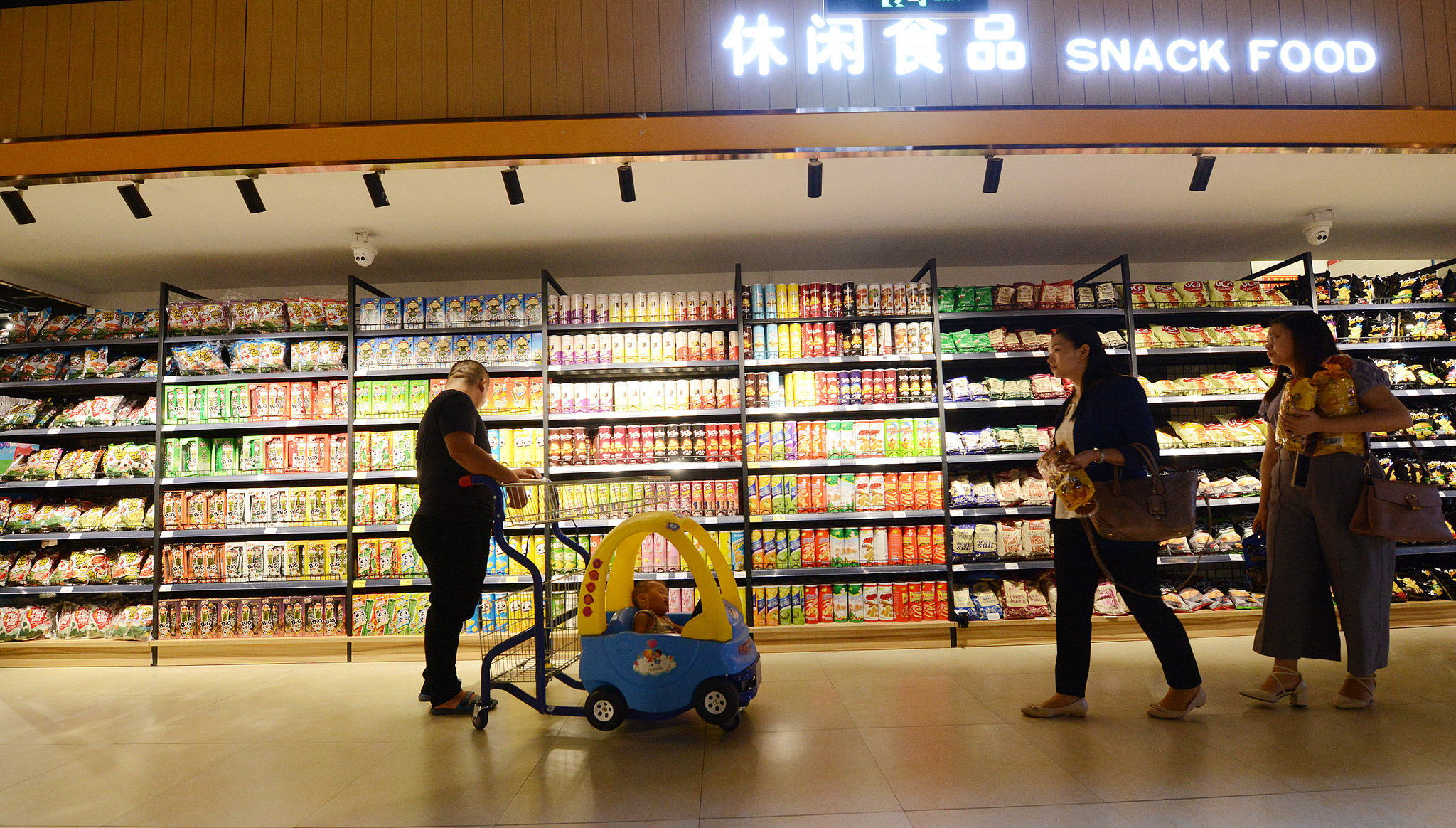
China is actively working to stabilize the ratio between its exports and imports, a move that could redefine global trade dynamics and supply chain stability.
- China is prioritizing a balanced trade ratio to mitigate economic volatility.
- The shift reflects a strategic move toward more sustainable economic growth.
- Global markets are closely watching China's trade policy adjustments.
In a significant development for the global economy, China is intensifying its efforts to achieve a strategic equilibrium between its massive export volumes and growing import requirements. This move comes as the world's second-largest economy navigates complex geopolitical tensions and internal structural shifts.
The pursuit of trade balance is not merely a domestic goal for Beijing; it is a signal to the international community that China is evolving its economic model. By managing the flow of goods more effectively, China aims to reduce its vulnerability to external shocks while maintaining its position as a central hub in the global supply chain.
Why This Matters
BozokMedia analysis shows that any significant shift in China's trade equilibrium has a ripple effect across the globe. From commodity prices in South America to manufacturing costs in Europe, the impact of China's trade policy is truly universal.
Achieving a balanced trade profile is essential for China to transition from a manufacturing-heavy economy to a more consumption-driven superpower.
Historically, China has leaned heavily on an export-oriented growth model. However, the current global landscape—marked by trade disputes and a push for supply chain diversification—has necessitated a more nuanced approach. This new direction involves not just selling more to the world, but also strategically importing high-tech components and essential resources to fuel domestic innovation.
Historical Background
For decades, China's economic miracle was fueled by its ability to manufacture goods at scale and export them globally. This 'export-led growth' strategy lifted hundreds of millions out of poverty. However, as the economy matures, the limitations of relying solely on foreign demand have become apparent, prompting the current pivot toward a more balanced trade architecture.
Frequently Asked Questions
Question 1: How does China's trade balance affect the rest of the world?
Answer: A balanced trade profile in China helps stabilize global commodity prices and ensures a more predictable flow of goods in international markets.
Question 2: Why is China changing its trade strategy now?
Answer: China is responding to global geopolitical shifts and the need to strengthen its domestic economy through better technology imports and consumption.