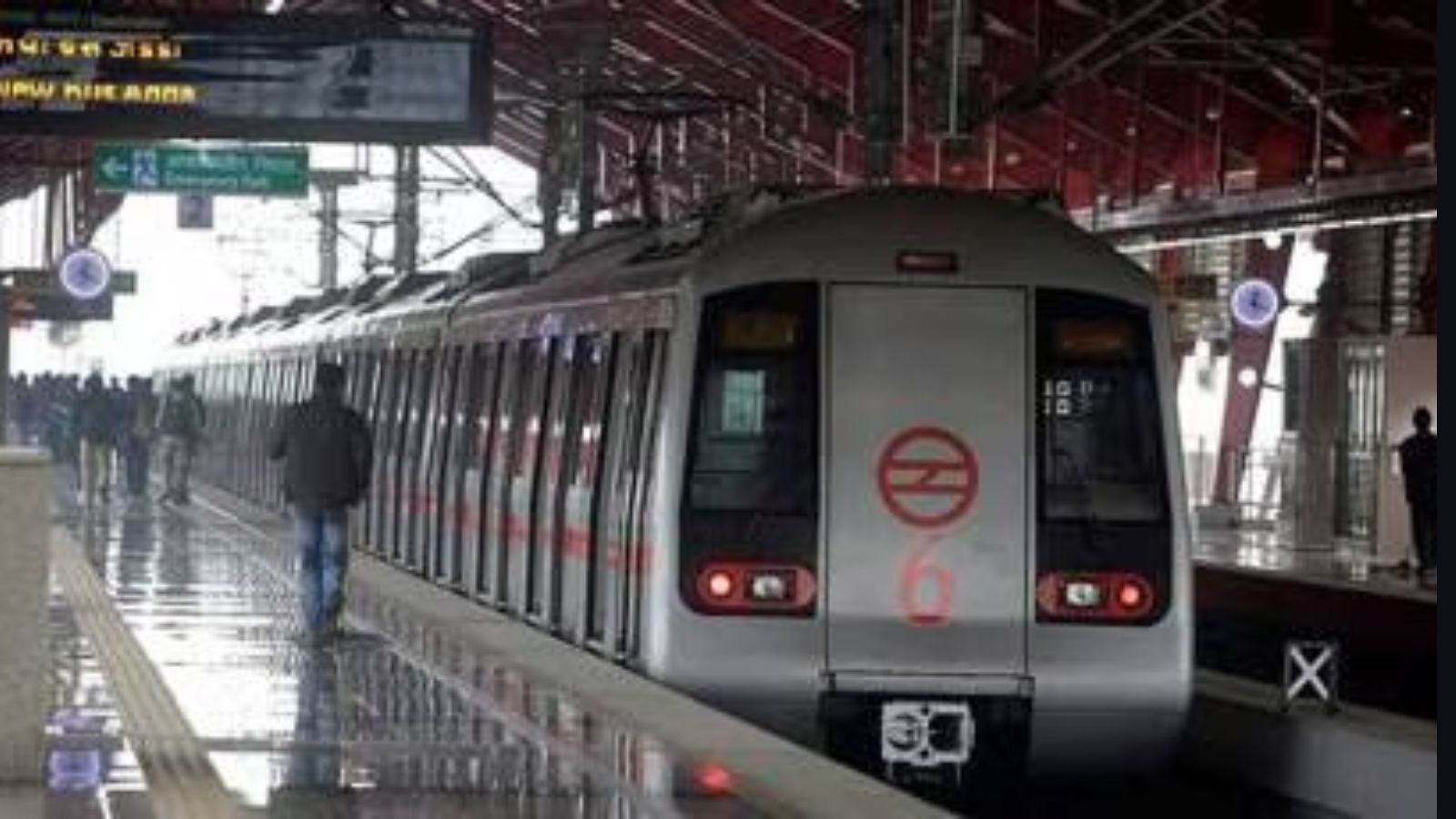
From the protests in Greater Noida to the high-speed corridors of Meerut, Metro rail has become the ultimate symbol of urban aspiration in India. As the network expands to 1,100 km, it promises to solve the chaos of Indian streets.
- India's Metro network has grown fourfold in a decade, reaching over 1,100 km across 26 cities.
- The Delhi Metro (DMRC) set the gold standard for punctuality and discipline in Indian transit.
- Rapid urbanization is driving a massive investment of ₹2.5 lakh crore in Metro infrastructure.
- Challenges include high operational debts and the need for inclusive, affordable fares.
In a symbolic act of desperation, residents of Greater Noida West, led by the Noida Extension Flat Owners Welfare Association (NEFOWA), recently staged a protest to demand a Metro line. By physically pulling ropes tied to a Metro pillar, they highlighted the struggle of nearly 10 lakh residents stuck in daily traffic gridlocks. For them, the Metro is not a luxury, but a necessity for survival in an underserved urban landscape.
Contrast this with the experience in Meerut, where the newly operationalized Meerut Metro and RRTS (Regional Rapid Transit System) are transforming lives. Professionals like Arpit, who commute to Delhi, have swapped carpooling for the chilled, spotless coaches of the Metro. The seamless transition between regional high-speed rail and local Metro services exemplifies the future of Indian mobility.
Why This Matters
BozokMedia analysis shows that the 'Metro fever' in India is a response to the systemic failure of traditional road-based transport. As cities become more densely populated, rapid transit becomes the only viable 'silver bullet' to maintain economic productivity.
The Metro is more than a transport mode; it is a symbol of dignity and modern urban identity for the emerging Indian middle class.
The scale of expansion is staggering. From the pioneering Kolkata Metro in 1984 to the revolution sparked by the Delhi Metro Rail Corporation (DMRC) in 2002, the landscape has shifted. Supported by the Japan International Cooperation Agency (JICA), the DMRC introduced a culture of punctuality and predictive maintenance that redefined Indian public services.
With 6 km of Metro lines being sanctioned every month, India is on track to overtake the United States' 1,400-km subway network. However, the gap between India's 1,100 km and China's massive 10,000-km network remains vast. The Ministry of Housing & Urban Affairs notes that serving peak-hour demand via buses would require a bus every five seconds, highlighting the sheer efficiency of rail-based transit.
| Metric | Delhi Metro (DMRC) | Global Context (USA/China) |
|---|---|---|
| Network Length (India) | 416 km (DMRC) | 1,100 km (Total India) |
| Comparison (USA) | Expanding | 1,400 km |
| Comparison (China) | Growing Fast | 10,000 km |
Frequently Asked Questions
1. Why is the Metro preferred over buses in Indian cities?
Metro offers predictability, air-conditioned comfort, and much higher passenger capacity per hour compared to buses.
2. What are the main hurdles in Metro expansion?
High capital costs, land acquisition issues, and the financial challenge of managing mounting debts are the primary obstacles.

