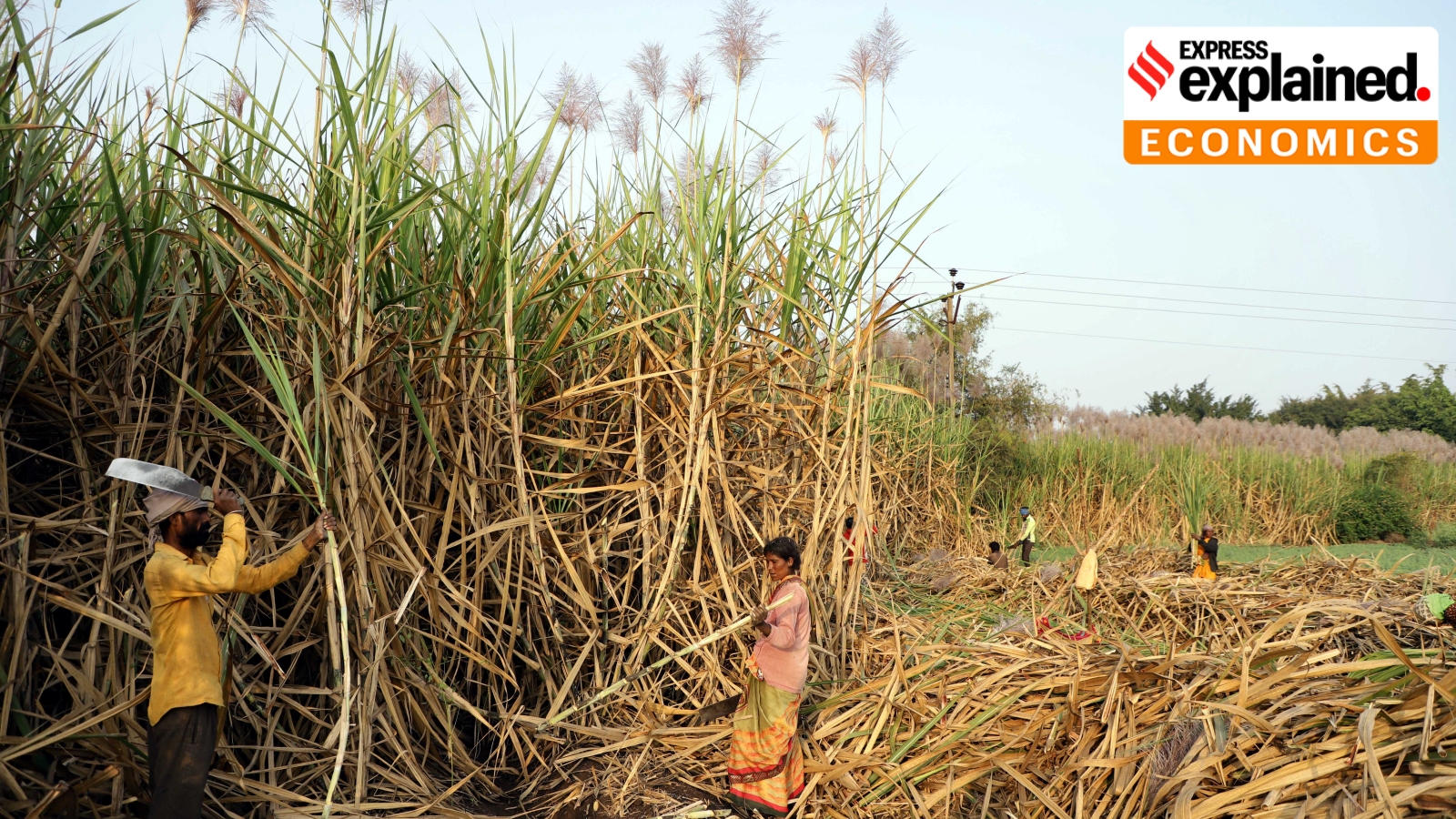
As sugar prices surge by ₹20/kg in just a month, experts clarify that the crisis is driven by production shortfalls and record-low stocks rather than ethanol blending.
- Retail sugar prices jumped from ₹45 to ₹65 per kg in one month.
- Excess rainfall in key states like Maharashtra and Karnataka stunted cane growth.
- Net sugar production is significantly lower than initial ISMA projections.
- Ethanol feedstock from sugarcane accounts for only 32% of total ethanol supply.
With the festive season of Dussehra and Diwali approaching, the sweetness of Indian celebrations is being overshadowed by the bitter reality of rising costs. According to the Department of Consumer Affairs, the all-India modal retail price for sugar reached ₹65 per kg on Friday, a sharp increase from ₹45 per kg in late July. This ₹20 per kg hike in just 30 days has sent shockwaves through both households and the confectionery industry.
The Production Deficit: A Supply-Side Crisis
While many critics point toward the government's ethanol-blending program as the cause for the price hike, the data tells a different story. The fundamental issue is a massive shortfall in domestic sugar production and a depletion of buffer stocks to a nine-year low. The Indian Sugar & Bio-energy Manufacturers Association (ISMA) had initially projected a much healthier output, but revised estimates show gross production at 309 lakh tonnes—nearly 30.5 lakh tonnes below the original forecast.
The primary driver behind this shortfall was the unprecedented rainfall in Maharashtra, Karnataka, and Gujarat during the late monsoon period last year. Waterlogged fields and lack of sunshine deprived the sugarcane crops of essential aeration and sunlight, leading to lower sucrose accumulation and diminished yields at the mill level.
Why This Matters
BozokMedia analysis shows that the current sugar volatility is a classic example of supply-chain vulnerability triggered by climate instability. While ethanol blending is a strategic move for energy security, the immediate impact on food inflation highlights the urgent need for more resilient agricultural practices and better crop-loss mitigation strategies in India's sugar-producing belts.
The current price spike is a convergence of adverse weather patterns and biological crop threats rather than a mere policy-driven diversion.
In Uttar Pradesh, the situation is compounded by biological factors. The prevalence of Red Rot fungal disease and the top shoot borer insect has significantly impacted the yield of the Co-0238 sugarcane variety, which is increasingly susceptible to these pests. This has further tightened the supply of sugar in India's largest producing state.
Sugar Production vs. Ethanol Diversion
| Metric | Initial Projection | Revised Estimate |
|---|---|---|
| Gross Sugar Production | 343.5 lakh tonnes | 309.0 lakh tonnes |
| Diversion to Ethanol | 34.0 lakh tonnes | 30.0 lakh tonnes |
| Net Sugar Output | 309.5 lakh tonnes | 279.0 lakh tonnes |
Analyzing the numbers reveals that while 30 lakh tonnes were diverted to ethanol, the overall production itself dropped by over 34 lakh tonnes. Furthermore, of the total ethanol supplied to oil companies, only 32% originated from sugarcane-based feedstock, debunking the notion that ethanol blending is the sole driver of sugar inflation.
Frequently Asked Questions
Question 1: Why are sugar prices rising so fast?
Answer: The surge is due to a massive production shortfall caused by heavy rains and pests, leading to the lowest sugar stocks in nine years.
Question 2: Is the ethanol mandate making sugar more expensive?
Answer: While ethanol diversion affects supply, the primary cause of the current price spike is the overall decline in total sugarcane production.

