The World Bank warns that Lebanon's economy is set to shrink by 6.4% this year as conflict with Israel disrupts recovery, spikes inflation, and destroys infrastructure.
- Lebanon's GDP is projected to contract by 6.4% in 2026.
- Inflation is expected to surge to 17.5% due to supply disruptions.
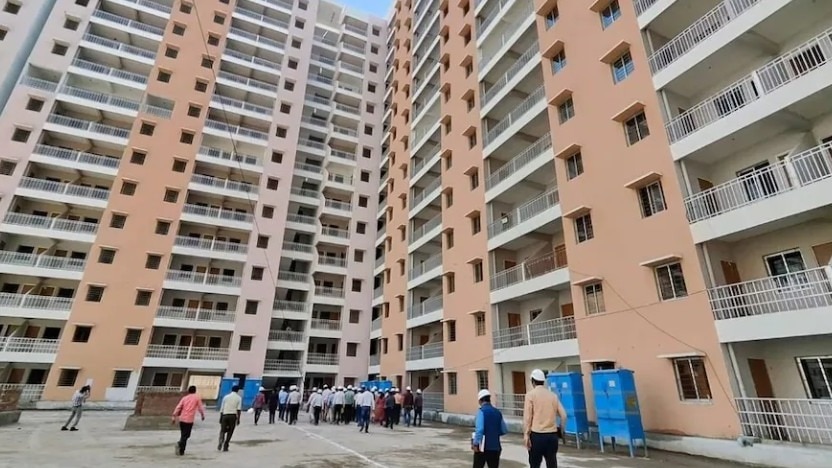
- Conflict has severely impacted tourism, housing, and supply chains.
- IMF is preparing to resume technical meetings in Beirut next month.
The World Bank has issued a grim outlook for Lebanon, projecting that the nation's economy will contract by 6.4 percent this year. This sharp downturn effectively derails the modest post-crisis recovery the country had begun to experience in 2025, when it saw a 4.2 percent GDP growth—its highest since the catastrophic 2019 financial collapse.
According to the Summer 2026 Lebanon Economic Monitor, titled 'A Conflict-Torn Economy,' the escalation of conflict in March 2026 has been the primary driver of this decline. The hostilities have caused widespread damage to housing and essential infrastructure, led to massive community displacements, and crippled vital supply chains. These factors combined have placed immense pressure on both tourism and domestic demand.
Why This Matters
BozokMedia analysis shows that the economic instability in Lebanon is deeply intertwined with regional security dynamics. The projected spike in consumer prices to 17.5 percent, driven by volatile fuel prices and elevated shipping costs, threatens to push more of the population into poverty and undermines any efforts at social stabilization.
Advancing reforms, particularly on banking sector restructuring and fiscal management, will be critical to restoring confidence and mobilizing reconstruction financing.
In response to the ongoing crisis, the Lebanese Parliament recently passed amendments to the bank resolution law. This legislative move aims to restructure failing financial institutions and provide a framework for managing the broader financial sector crisis. The International Monetary Fund (IMF) has endorsed these steps, describing them as a commitment to international best practices.
Looking ahead, the IMF confirmed it plans to resume technical meetings in Beirut next month to evaluate further structural policy measures required for a formal bailout program. While former Economy Minister Alain Hakim suggests that the elements for recovery exist, he emphasizes that stability depends more on politics and security than on economic affairs alone.
Historical Background
Lebanon has been grappling with one of the world's most severe financial crises since 2019. The collapse of the banking sector and the massive devaluation of the local currency had already left the nation in a state of economic paralysis before the recent military escalations exacerbated the situation.
Frequently Asked Questions
Question 1: What is driving the inflation in Lebanon?
Answer: Inflation is being driven by supply chain disruptions, high shipping costs, and volatile fuel prices caused by the conflict.
Question 2: Is there any hope for economic recovery?
Answer: Experts suggest recovery is possible through banking reforms and the end of hostilities, but it is heavily dependent on political stability.