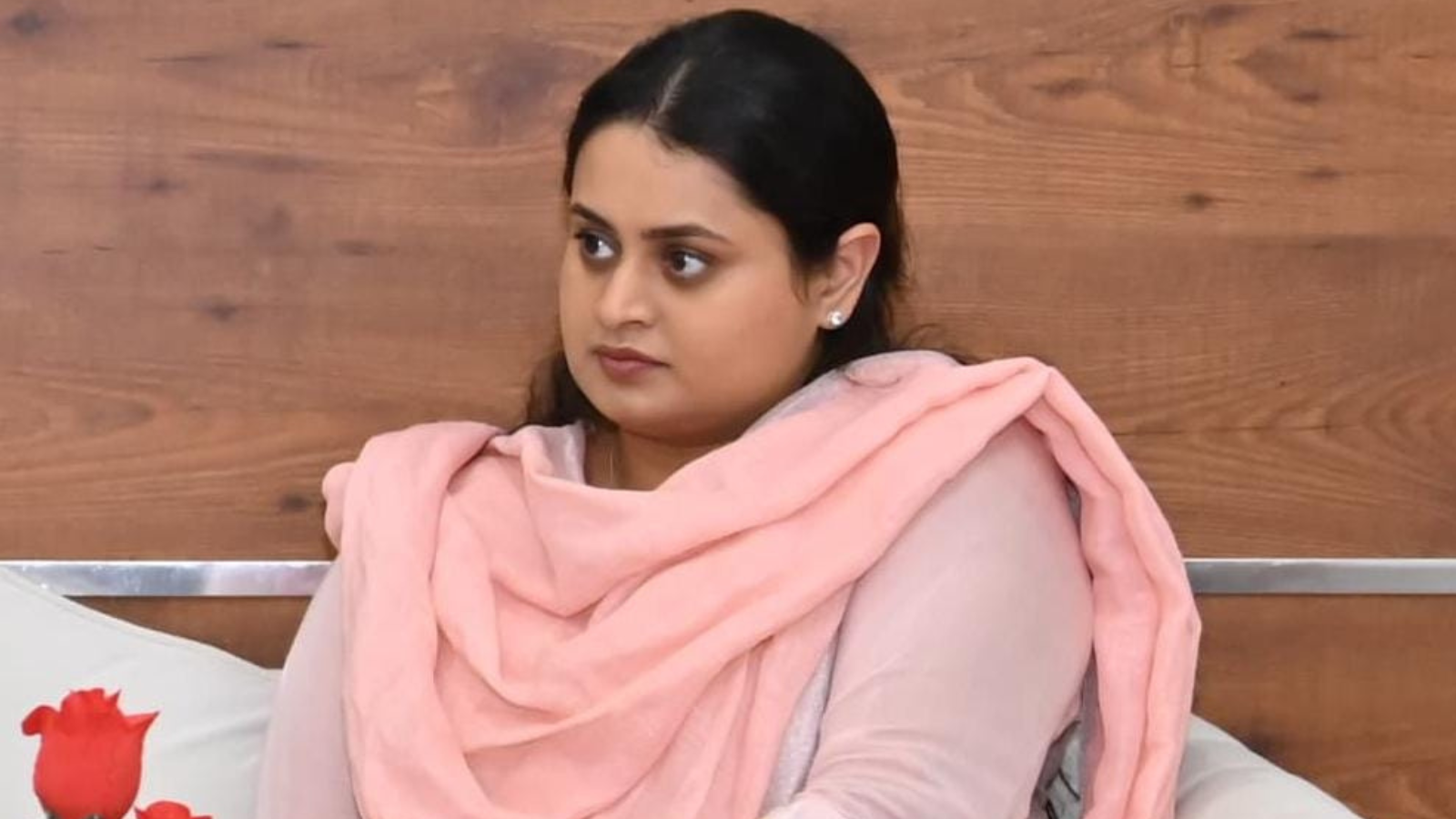
Bihar Industries Minister Shreyasi Singh claims the state has shed its 'badlands' image, eyeing a massive ₹5 lakh crore investment target by November 2025, driven by ethanol and food processing.
- Bihar aims to achieve an investment target of ₹5 lakh crore by November 2025.
- Proposed investments reached ₹1.11 lakh crore as of September 2025.
- Asia's largest ethanol plant is being established in Jamui.
- The 'Plug-and-Play' model and 30-day auto-clearance are driving ease of doing business.
In a decisive move to reshape the economic landscape of the state, Bihar Industries Minister Shreyasi Singh has declared that Bihar is no longer the 'badlands' it was perceived to be during the 1990s. Ahead of the critical November deadline to meet the state's ambitious ₹5 lakh crore investment goal, Singh expressed confidence that the state is well on track to exceed its targets.
The shift in Bihar's economic trajectory is stark. Comparing historical data, Singh noted that between 2016 and 2022, the state realized a mere ₹2,500 crore in investments. In contrast, by September 2025, proposed investments had surged to a staggering ₹1.11 lakh crore. This massive influx is being driven by key sectors including renewable energy, ethanol, and food processing.
Why This Matters
BozokMedia analysis shows that Bihar is undergoing a fundamental governance shift—moving from a regime of 'control' to one of 'facilitation.' By addressing long-standing investor inhibitions regarding bureaucratic red tape and land availability, the state is attempting to decouple its economic destiny from its historical political volatility.
The transformation of Jamui from a Maoist-affected zone to a hub for Asia's largest ethanol plant is a testament to Bihar's industrial rebirth.
To facilitate rapid industrialization, the government has implemented a 'Plug-and-Play' policy. This model allows investors to lease ready-to-work industrial sheds, significantly reducing the time and capital required for setup. Currently, approximately 31 lakh square feet of space has been leased across districts like Muzaffarpur, Patna, and Bhagalpur to startups in the garment, leather, and IT sectors.
A cornerstone of this industrial revolution is the development of the ethanol sector. The Ankur Biochem project in Jamui is set to produce 7.5 lakh litres of ethanol daily, utilizing vast amounts of local maize and broken rice. This project alone highlights the state's ability to leverage its agricultural strengths for high-value industrial output.
| Sector | Proposed Investment (Approx.) |
|---|---|
| Renewable Energy | ₹38,644 Crore |
| Ethanol | ₹30,748 Crore |
| Food Processing | ₹20,153 Crore |
Frequently Asked Questions
1. What is the 'Plug-and-Play' model in Bihar?
It is a policy where the government provides ready-to-use industrial sheds to investors to expedite the commencement of operations.
2. How is the state funding land acquisition?
The state is utilizing its share of Central taxes and a ₹25,000-crore loan to acquire land for industrial development.


