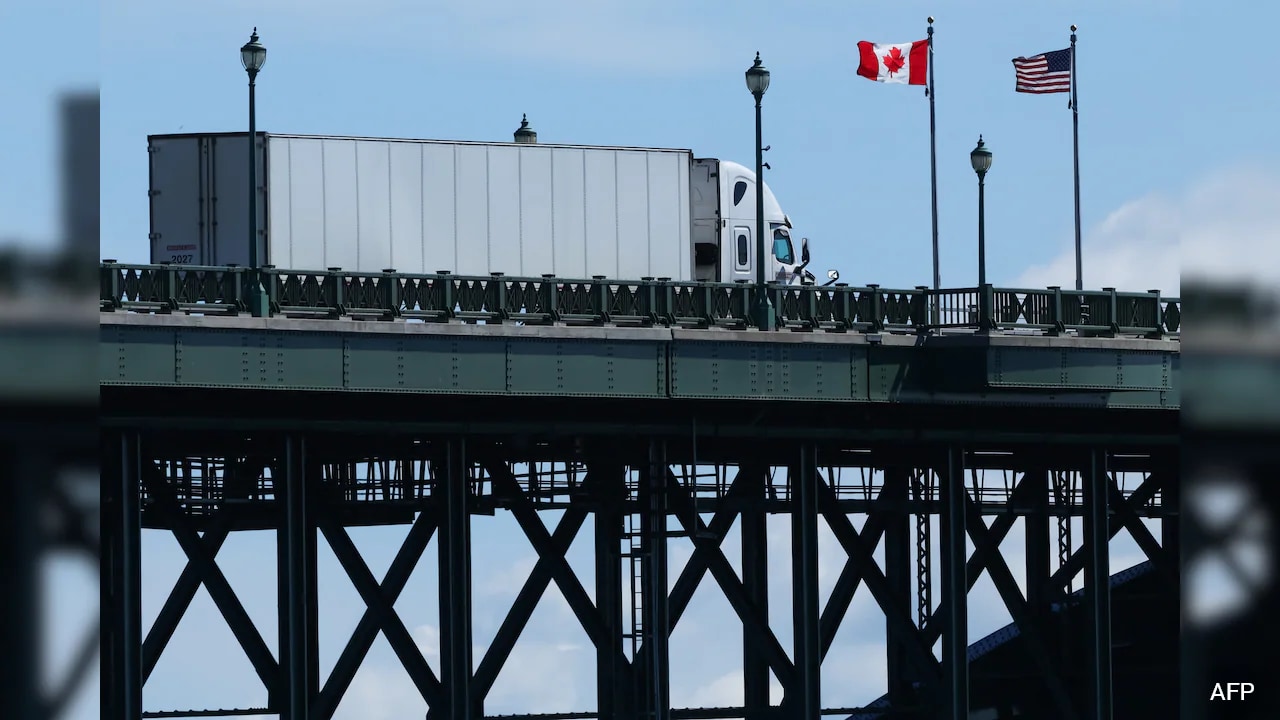
Trade negotiations between the US and Canada have hit a major roadblock after Canada demanded expanded tariff relief for medium- and heavy-duty vehicles. The breakdown threatens a deal that aimed to slash auto tariffs significantly.
- Canada requested tariff relief to include medium- and heavy-duty vehicles.
- The proposed deal aimed to reduce auto tariffs from 25% to 15%.
- The disagreement has effectively derailed ongoing bilateral trade discussions.
High-stakes trade negotiations between the United States and Canada have reportedly stalled following a disagreement over automotive tariffs. According to recent reports, the impasse stems from Canada's insistence on expanding tariff relief to encompass not just light vehicles, but also medium- and heavy-duty vehicles.
Under the framework of the deal being negotiated, both nations were working toward a significant reduction in regular auto tariffs. The goal was to lower the current 25% tariff rate down to a more competitive 15%. Such a reduction would have provided substantial relief to the integrated North American automotive manufacturing sector.
Why This Matters
BozokMedia analysis shows that this breakdown could have ripple effects across the entire North American logistics and manufacturing landscape. A failure to reach a consensus on auto tariffs risks increasing costs for heavy-duty transport, which could ultimately drive up inflation in the supply chain.
The inability to bridge the gap on heavy-duty vehicle tariffs highlights the fragile nature of modern cross-border trade agreements.
Historically, the US-Canada trade relationship has been a cornerstone of North American economic stability. However, disputes over specific sectors like automotive and steel have frequently tested the strength of these bilateral ties. The current tension over truck tariffs adds a new layer of complexity to an already volatile trade environment.
Frequently Asked Questions
Question 1: What was the core reason for the failed talks?
Answer: Canada demanded that tariff relief be extended to include medium- and heavy-duty trucks.
Question 2: What was the intended tariff reduction?
Answer: The plan was to reduce the existing 25% auto tariff to 15%.