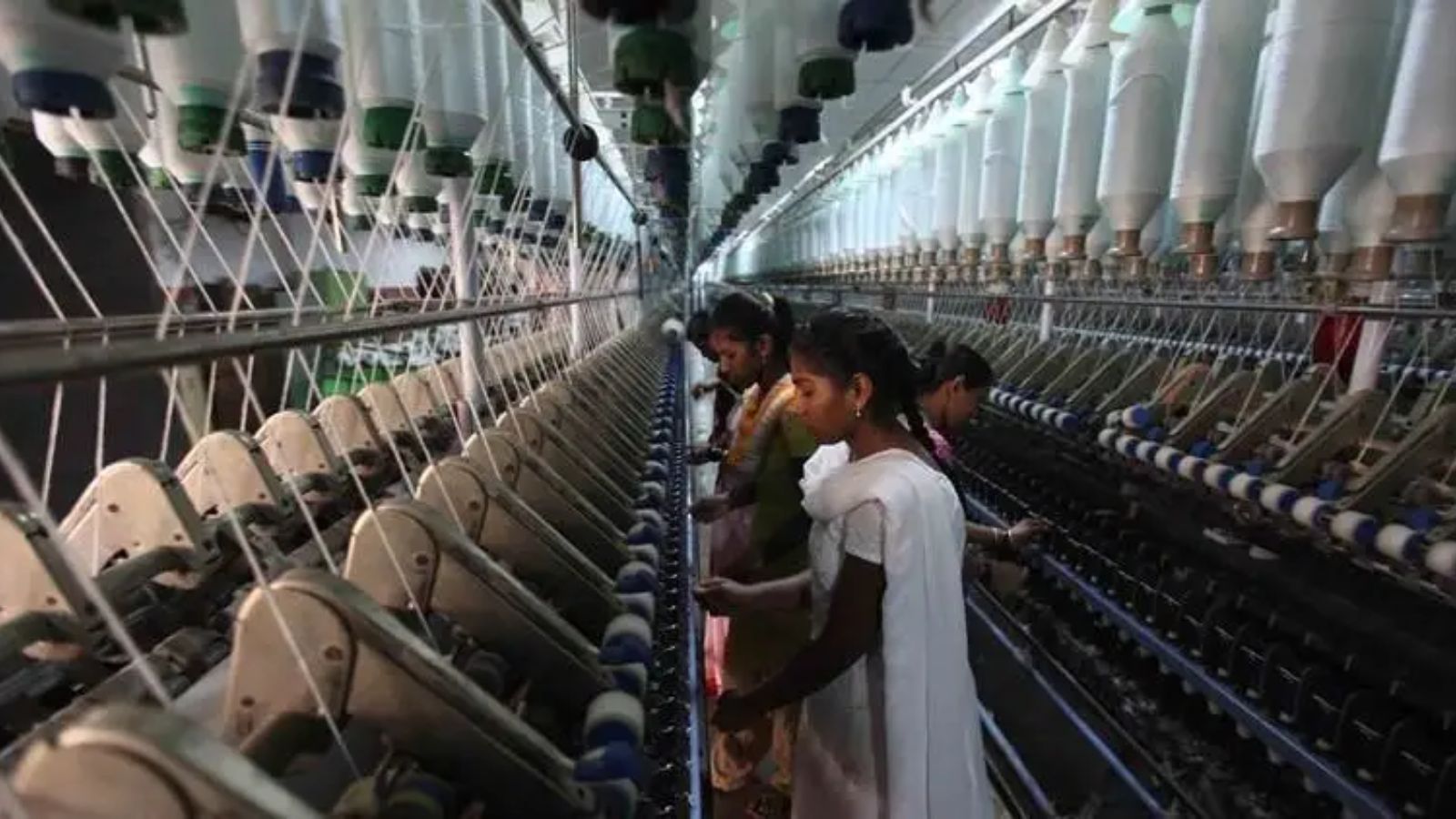
Following a week of intense labour unrest and clashes in Surat's industrial hubs, textile manufacturers have conceded to key worker demands to ensure uninterrupted production and social stability.
- Workers will receive extra pay for working on Sundays or scheduled off-days.
- Salaries will now be disbursed within the first week of every month.
- Agreement reached on providing Diwali bonuses, with specific amounts to be negotiated.
- The resolution follows violent protests and multiple FIRs in the Amroli industrial area.
Surat, Gujarat: In a significant move to restore industrial harmony, Surat’s textile and embroidery industry has agreed to several key demands raised by labourers. This decision comes after a week of intense unrest, which saw factory shutdowns and physical clashes between workers and law enforcement in the Amroli and Sachin industrial estates.
The unrest reached a boiling point on August 16, when labourers at the Vedant Eco Park forcibly shut down automated embroidery units, leading to a confrontation with the police. The violence resulted in multiple FIRs being registered at the Amroli police station, involving charges of unlawful assembly, rioting, and criminal intimidation, leading to the arrest of eight individuals.
Why This Matters
BozokMedia analysis shows that the stability of Surat's textile sector is critical for India's export economy. Any prolonged strike in hubs like Ambrotech or Anajani estates creates a ripple effect, delaying finished fabric deliveries to global markets and impacting thousands of livelihoods.
During a high-level meeting involving approximately 400 textile industrialists and state labour department officials, moderated by Assistant Commissioner of Police Parth Chovatiya, a middle ground was sought. The primary goal was to prevent production hampers while addressing the grievances that led workers to resort to social media and street protests.
Effective industrial relations depend on proactive grievance redressal rather than reactive crisis management.
Industry representatives, including Dineshbhai Singara from Ambrotech estate, confirmed that owners are willing to compromise to meet pending orders. While they have agreed to extra wages for off-day work and timely monthly salaries, the demand for an 8-hour shift remains a point of contention, with owners advocating for the current 12-hour structure to meet production targets.
For workers like Krishna Yadav, a resident of Amroli, the resolution brings much-needed relief. He noted that while not all demands were met perfectly, the agreement to provide weekly offs with pay (on non-Sundays) has allowed operations to resume smoothly.
Frequently Asked Questions
Question 1: What were the primary causes of the labour unrest?
Answer: The unrest was driven by demands for better wages, timely salary payments, Diwali bonuses, and reduced working hours.
Question 2: What legal actions were taken following the protests?
Answer: The Amroli police registered FIRs against hundreds of workers under various sections of the BNS, including unlawful assembly and rioting.