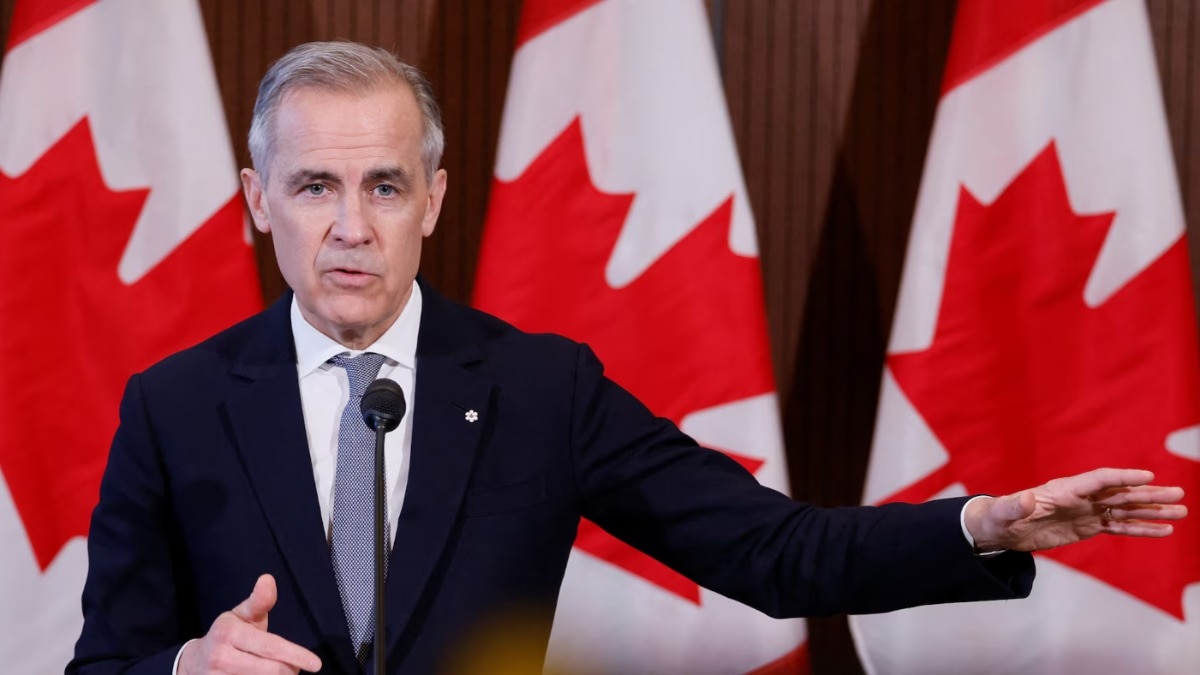
In a direct response to US tariffs, Canadian PM Mark Carney has announced 'dollar-for-dollar' retaliatory measures effective September 8. The move signals an escalation in the brewing economic conflict.
- Canada has announced retaliatory 'dollar-for-dollar' tariffs against the US.
- New tariffs on US steel, dairy, and electronics will take effect on September 8.
- PM Mark Carney characterized the situation as an economic 'state of war.'
- The move follows the failure of intensive three-day trade negotiations.
OTTAWA: A massive economic confrontation has erupted between North America's two largest trading partners. Canadian Prime Minister Mark Carney announced in a decisive address on Saturday that Canada will implement 'dollar-for-dollar' retaliatory tariffs in response to the aggressive trade measures imposed by the United States. This follows the US decision to slap a 50% tariff on Canadian goods after high-stakes negotiations collapsed.
Using forceful language, PM Carney stated, "When you are attacked, you are in a state of war. We have been attacked, and we are now in a trade war." He emphasized that the terms proposed by the Trump administration were economically unfair and undermined Canada's sovereignty and key industries.
Why This Matters
BozokMedia analysis shows that this trade war poses a significant threat to global supply chain stability. Canada, which relies on the US for approximately 70% of its imports, is taking a high-stakes gamble by prioritizing economic sovereignty over trade dependency. This escalation could trigger a ripple effect across global markets, affecting industries from agriculture to heavy manufacturing.
"Canada's stance indicates that economic sovereignty is now being prioritized over traditional trade dependencies."
The new Canadian tariffs are set to take effect on September 8. These measures will specifically target American steel, dairy, electronics, and other vital sectors. This comes on the heels of US tariffs that have already impacted products like alcohol, furniture, cement, and fishing equipment, covering nearly $20 billion in goods—roughly 5.5% of Canada's total exports to the US.
Historical Background
While the US-Canada relationship has historically been one of deep economic integration, the rise of protectionist sentiments in the US has strained these ties. The collapse of recent trade talks marks a fundamental shift in how both nations approach bilateral commerce, moving away from cooperation toward confrontational economic nationalism.
| Feature | United States Stance | Canada Stance |
|---|---|---|
| Tariff Rate | 50% (Implemented) | Dollar-for-Dollar (Retaliatory) |
| Primary Targets | Canadian Exports | US Steel, Dairy, Electronics |
| Strategic Goal | Protectionism | Sovereignty Defense |
PM Carney noted that while Canada is willing to lift existing tariffs on aluminum, steel, and motor vehicles if the US significantly reduces its tariffs, the current situation has fundamentally altered the relationship. He remarked that the era of predictable cooperation is shifting as the US political landscape evolves.
Frequently Asked Questions
Question 1: When will Canada's new tariffs go into effect?
Answer: The retaliatory tariffs are scheduled to be implemented starting September 8.
Question 2: Which industries are most at risk in this trade war?
Answer: Key sectors include steel, dairy, electronics, alcohol, and construction materials.
