The global surge in AI investment is causing a massive shortage of memory chips, driving up the prices of everyday electronics like smartphones and TVs at an unprecedented rate.
- AI demand is diverting memory chip production away from consumer goods.
- Electronics prices are rising in months what used to take years.
- The term 'Chipflation' describes this new economic phenomenon.
- DRAM prices are projected to rise by over 400% by the end of 2026.
The global investment boom in Artificial Intelligence (AI) has inadvertently triggered a supply chain crisis for everyday consumer electronics. As manufacturers prioritize high-end chips for data centers, a critical shortage of memory chips has emerged, leading to a phenomenon analysts are calling 'Chipflation.'
In India, the impact is becoming starkly visible. According to Consumer Price Index (CPI) data from the Ministry of Statistics and Programme Implementation (MoSPI), prices for various consumer electronics rose by 3-5% in July 2026 compared to January. This rapid escalation stands in sharp contrast to 2025, where price indices for many devices actually saw slight declines.
Why This Matters
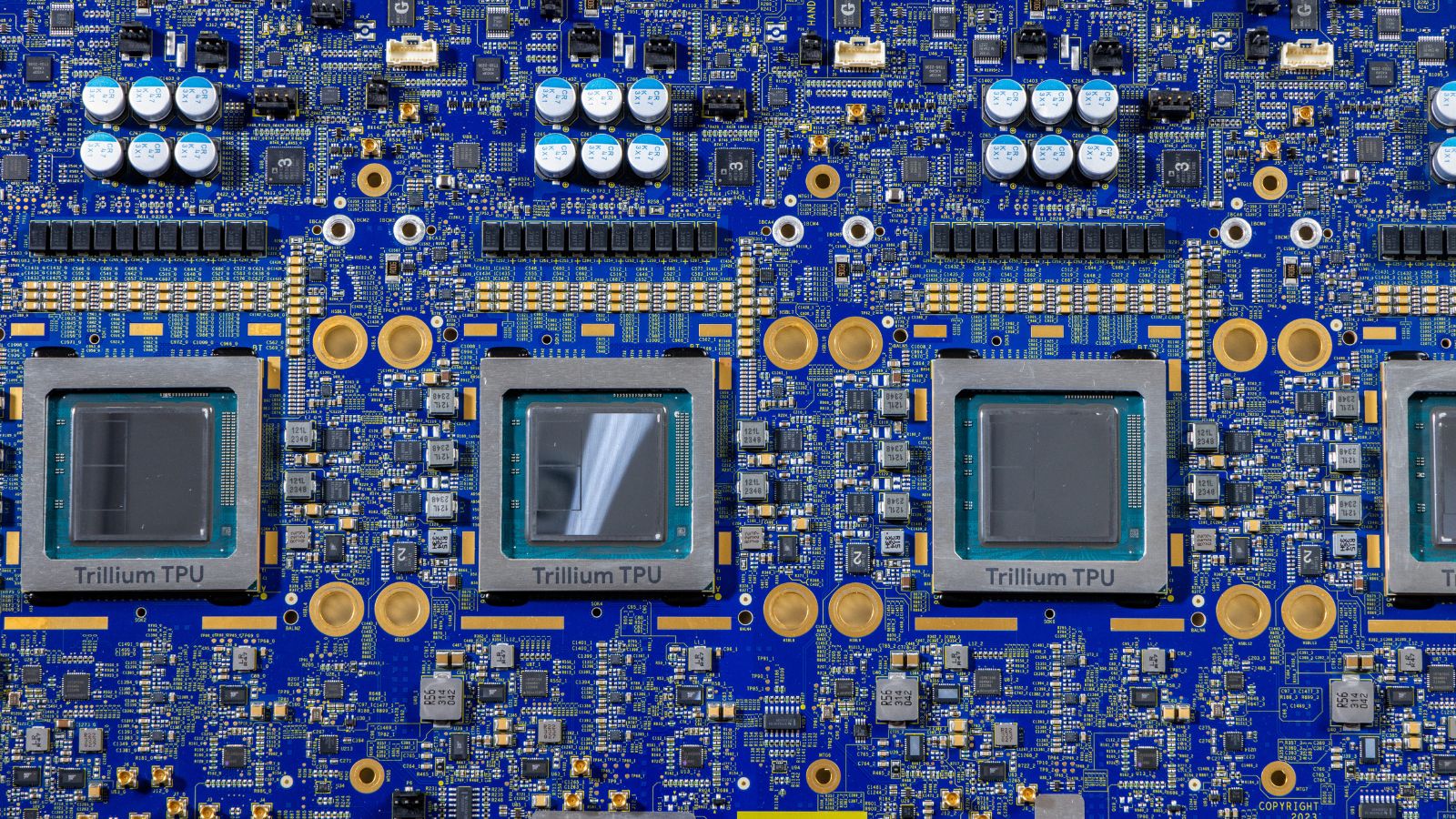
BozokMedia analysis shows that the semiconductor market is splitting into a two-tier system. While massive AI and cloud providers secure long-term agreements for advanced chips, traditional manufacturers of PCs, smartphones, and home appliances are left fighting for the remaining supply of DRAM and other essential components.
AI has turned memory from the cheapest part of the digital economy into one of its most contested resources.
Leading chipmakers like TSMC, Samsung, and SK Hynix are pivoting their focus toward the advanced chips required for AI infrastructure. This leaves the chips used in refrigerators, washing machines, air conditioners, and laptops in a precarious supply position. JPMorgan Global Research estimates that DRAM prices could skyrocket by more than 400% between early 2024 and late 2026.
The Velocity of Price Hikes
The speed at which prices are rising is unprecedented. Historically, price reductions were driven by Moore’s Law, but 'Chipflation' is reversing this trend. For instance, the 3.5% rise in TV prices seen in early 2026 would have previously taken approximately 54 months to occur.
| Electronic Item | Historical Time to Reach Hike (Months) | 2026 Price Increase (6 Months) |
|---|---|---|
| Televisions | 54 Months | 3.5% |
| Air Conditioners | 46 Months | 4.8% |
| Refrigerators | 45 Months | ~4% |
| Mobile Phones | 41 Months | 4.0% |
As a result, consumers are becoming increasingly value-conscious. In India, smartphone sales have shown volatility, with buyers heavily relying on promotional offers to offset the rising costs of hardware.
Frequently Asked Questions
1. What is causing 'Chipflation'?
It is caused by the massive demand for memory chips in AI data centers, which reduces the supply available for consumer electronics.
2. Which products will be most affected?
Smartphones, laptops, TVs, air conditioners, and large appliances like refrigerators are expected to see significant price pressures.