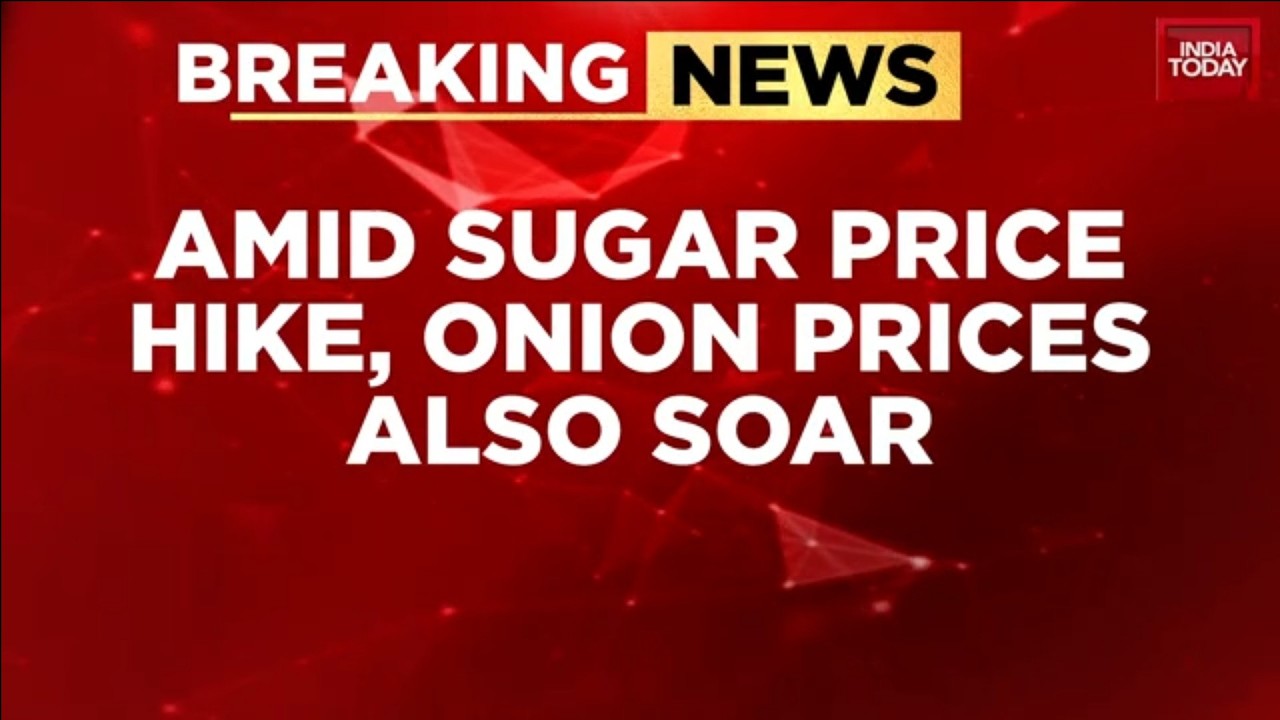
Onion prices have surged 45% year‑on‑year, prompting Congress to accuse the central government of misusing buffer stocks. The spike adds to rising sugar prices and intensifies political friction ahead of the festive season.
- Onion prices up 45% YoY
- Congress criticises centre’s buffer‑stock release
- Sugar prices also climbing due to imports and festive demand
India’s onion market has witnessed a sharp 45% increase compared with the same period last year. Analysts point to a mix of tighter harvests, heightened demand ahead of festivals, and the government’s decision to release buffer stocks as key drivers. The opposition Congress has seized on the move, labeling it a “political gamble” that hurts ordinary consumers.
Simultaneously, sugar prices are rising as the country prepares for the festive rush from Raksha Bandhan to Diwali. The Indian Sugar Mills Association (ISMA) reports that tighter global supplies from Brazil, El Niño‑related cane‑crop stress, and seasonal demand spikes have forced India to import raw sugar despite holding adequate buffer reserves.
ISMA refutes claims that ethanol production is inflating sugar prices, attributing the surge instead to market sentiment and bulk buying by large traders. Nonetheless, supply gaps remain, pressuring retailers and end‑users alike.
The onion price spike feeds directly into India’s consumer‑price inflation, as onions carry a heavy weight in the CPI basket. Economists warn that unchecked commodity inflation could push overall CPI higher, complicating the Reserve Bank of India’s policy stance.
Historically, the Indian government has used buffer stocks of essential commodities to stabilise markets. In 2020‑21, a similar onion‑price surge prompted a buffer release that failed to curb prices, highlighting the challenges of timing and volume in such interventions.
Why This Matters
BozokMedia analysis shows that sustained spikes in essential commodities like onion and sugar can trigger broader inflationary pressures, influencing monetary policy decisions and voter sentiment ahead of upcoming elections.
"If buffer‑stock management is mishandled, price volatility can undermine economic growth and erode public trust," says agricultural economist Dr. Anita Verma.
Frequently Asked Questions
Q1: Will releasing buffer stocks immediately bring down onion prices?
A: While it can provide short‑term relief, prices may rise again if underlying production shortfalls are not addressed.
Q2: When will the government stop importing raw sugar?
A: Imports will continue until domestic cane harvests meet seasonal demand, helping to ease pressure on foreign‑exchange reserves.

