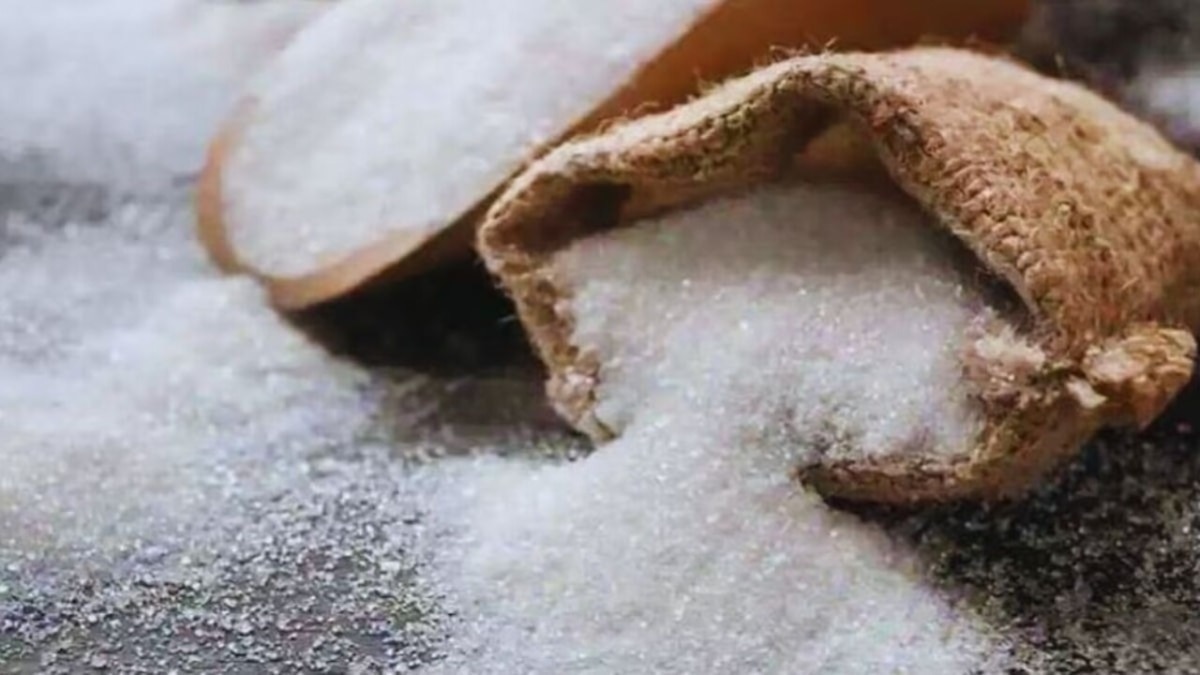
Despite record sugarcane production, India is facing a sharp rise in sugar prices due to low recovery rates, ethanol diversion, and export complexities.
- National sugar recovery rates have dropped significantly from 9.70% to 8.91%.
- Crop diseases like Red Rot have severely impacted sucrose content in major states.
- Diversion of sugarcane for ethanol production has tightened domestic sugar availability.
India, a global heavyweight in sugar production, is grappling with a paradoxical crisis: sugar prices are surging despite record-breaking sugarcane harvests. Retail prices have jumped from approximately ₹48 per kg to over ₹65 per kg in various markets. This spike comes at a sensitive time, placing immense pressure on households ahead of the upcoming festive season.
The Recovery Rate Dilemma
The core of the crisis lies not in the volume of sugarcane grown, but in the efficiency of extraction. The sugar recovery rate—the amount of sugar extracted from a given quantity of cane—has seen a sharp decline. According to recent reports, the national average plummeted from 9.70% to 8.91%. This decline is largely attributed to crop health issues, specifically the spread of Red Rot and Top Borer in key producing states like Uttar Pradesh, Maharashtra, and Karnataka.
Why This Matters
BozokMedia analysis shows that the gap between 'headline production' and 'actual sugar availability' is widening. When recovery rates fall, even a bumper crop of sugarcane fails to meet the market's demand for processed sugar, creating an artificial scarcity that drives up consumer prices.
The mismatch between sugarcane acreage and actual sugar output is a systemic risk to India's food inflation management.
Ethanol Diversion and Export Policies
The situation is further complicated by India's ambitious Ethanol Blending Program. To meet renewable energy targets, a significant portion of sugarcane and its derivatives is being diverted toward ethanol production rather than sugar. While this aids energy security, it directly impacts the domestic sugar pool.
Furthermore, timing issues in export permissions have exacerbated the shortage. The government allowed significant sugar exports earlier in the season, but by the time the domestic supply crunch was identified, much of the stock had already left the country. Consequently, the government is now forced to import 10 lakh tonnes of raw sugar duty-free to stabilize the market.
Frequently Asked Questions
1. Why is sugar becoming expensive despite high sugarcane production?
Low recovery rates due to crop diseases and the diversion of cane for ethanol production are the primary drivers.
2. How is the government addressing the shortage?
The government has restricted exports and is importing raw sugar to bolster domestic supplies.