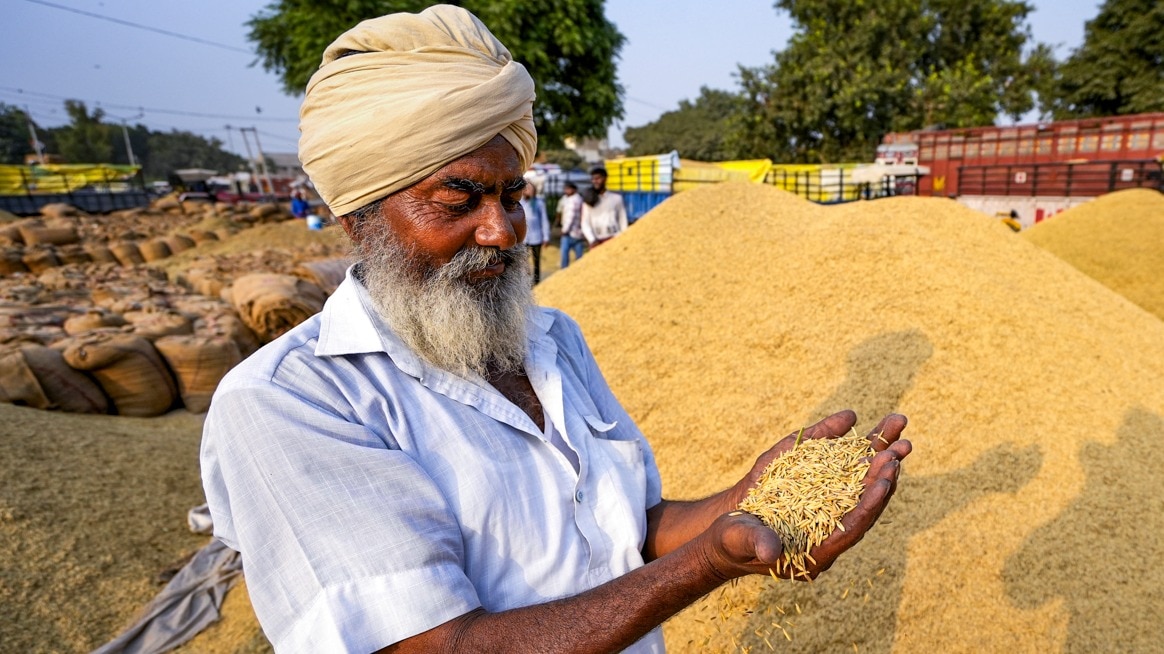
India's ambitious ethanol blending program is facing a mathematical crisis. Despite massive diversion of rice stocks for fuel production, the numbers suggest a growing disconnect between policy goals and reality.
- The mismatch between ethanol targets and feedstock availability is widening.
- Using rice for fuel raises significant long-term food security concerns.
- Policy shifts from sugarcane to rice are creating economic volatility.
India has been aggressively pushing for higher ethanol blending to reduce its massive crude oil import bill. However, a critical look at the current landscape reveals that India's ethanol math isn't mathing. Even with the massive diversion of rice stocks intended to fuel this movement, the actual output and economic logic appear flawed.
The 'Great Rice Diversion' was intended to bridge the gap left by sugarcane-based ethanol. By utilizing surplus rice, the government hoped to ensure a steady supply of feedstock. Yet, the discrepancy between the intended diversion and the actual impact on the fuel-to-food ratio suggests a systemic imbalance.
Why This Matters
BozokMedia analysis shows that this policy disconnect poses a dual threat: it risks destabilizing domestic food prices while failing to meet the aggressive energy independence targets set by the government. Relying on a staple crop like rice for industrial fuel creates a volatile feedback loop in the economy.
The transition from food-based feedstock to fuel-based feedstock is a high-stakes gamble with national food security.
Historically, India's ethanol journey was almost entirely dependent on sugarcane molasses. However, due to erratic monsoon patterns and water scarcity affecting sugarcane yields, the pivot to rice was seen as a strategic necessity. But this pivot has brought unforeseen complexities in supply chain management and pricing.
Comparison: Sugarcane vs. Rice for Ethanol
| Feature | Sugarcane-Based | Rice-Based |
|---|---|---|
| Reliability | Seasonal/Water Intensive | High (Surplus Stock) |
| Food Security Risk | Low | High |
| Economic Impact | Supports Farmers | Impacts Staple Prices |
As India strives to meet its E20 blending targets, the government must reconcile the mathematical gap between its energy ambitions and its agricultural realities. Without a more diversified feedstock strategy, the ethanol program may face a sustainability crisis.
Frequently Asked Questions
1. Why is rice being used for ethanol?
Rice is used as an alternative feedstock when sugarcane supplies are insufficient or seasonal variations occur.
2. Will this affect the common man?
Yes, if rice is diverted heavily to fuel production, it could lead to higher food inflation for consumers.