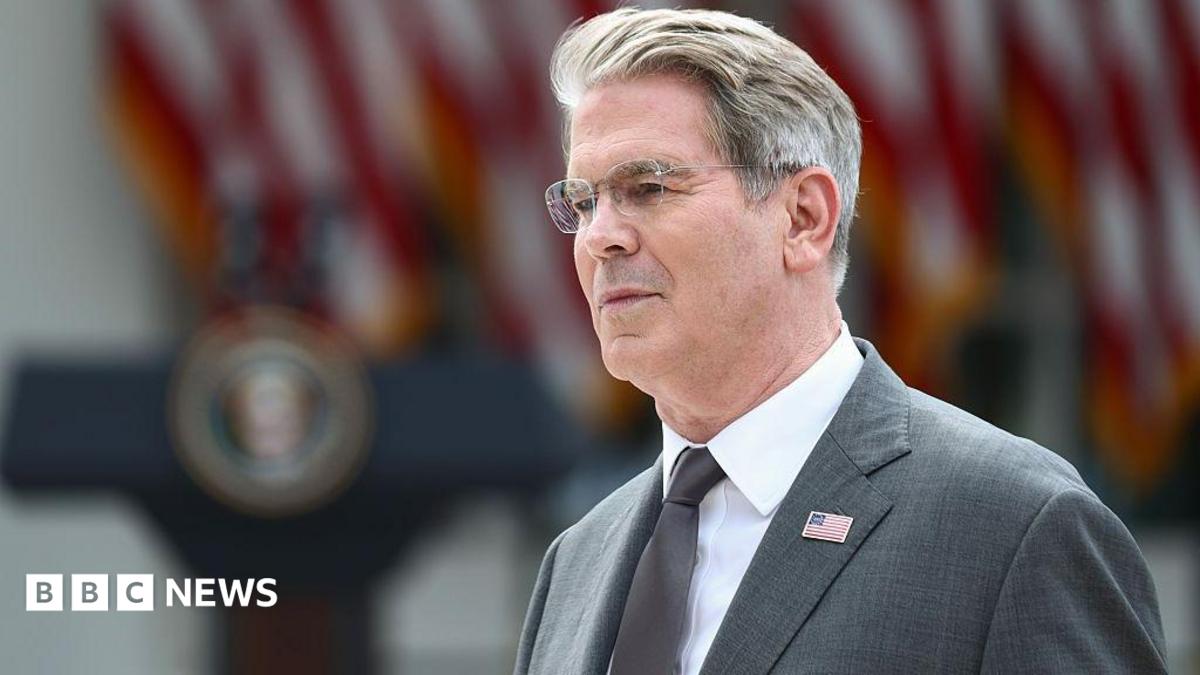
U.S. Treasury Secretary Scott Bessent declared an unprecedented "economic D‑Day" against Iran, vowing to cut every financial lifeline. He warned that any nation aiding Iran financially will be isolated on the world stage.
- The United States is preparing an "economic D‑Day" to sever Iran's financial networks.
- Countries that engage financially with Iran risk international isolation.
- The Strait of Hormuz could become a flashpoint if hostilities continue.
Key Details
U.S. Treasury Secretary Scott Bessent wrote an opinion piece stating that Washington will cut all economic ties with Iran, describing it as an "economic D‑Day." He added that any nation partnering with Tehran financially would also be isolated.
Iran’s Reaction
Iran dismissed Bessent’s remarks, warning that it would halt all oil exports from the region if the war persists. Tehran also warned shipping to avoid the Strait of Hormuz without its permission.
Historical Background
The 2015 Iran nuclear deal brokered by former President Barack Obama lifted many sanctions in exchange for nuclear limits. In 2018, President Donald Trump withdrew the United States from the agreement and reinstated comprehensive sanctions. President Joe Biden later attempted to revive the deal, but no agreement was reached. In April 2023, the Trump administration imposed a wave of sanctions on foreign banks and firms dealing with Tehran.
Why This Matters
BozokMedia analysis shows that a coordinated financial offensive could cripple Iran’s ability to fund its regional proxies, potentially reshaping power dynamics in the Middle East.
"If the US follows through, Iran’s oil revenue could shrink by up to 40% within months," says Dr. Ayesha Khan, Middle‑East energy analyst.
Frequently Asked Questions
Question 1: Will the announced "economic D‑Day" actually be implemented?
Answer: The U.S. has not released a detailed plan yet, but Bessent indicated further specifics will be given at an upcoming press conference.
Question 2: Which countries could be most affected by this move?
Answer: Nations maintaining financial or energy ties with Iran—such as China, Russia, and certain Middle‑Eastern states—could face secondary sanctions.

