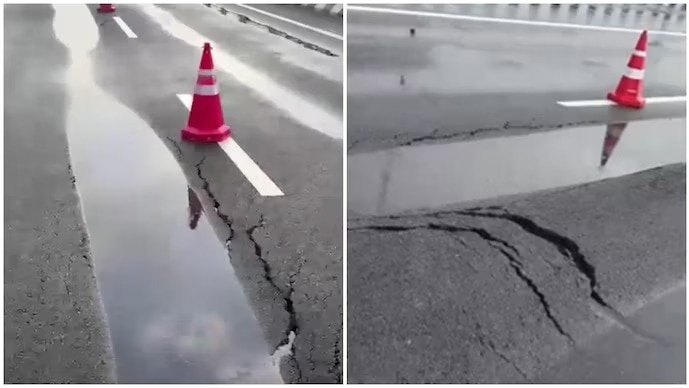
The Uttar Pradesh government has tasked premier technical institutes, notably the IITs, to conduct third‑party quality audits of all road, bridge and sewer projects exceeding Rs 100 crore, aiming to curb construction flaws after recent failures.
- IIT Kanpur, IIT‑BHU and IIT Roorkee assigned to audit projects in specific divisions.
- Audits will scrutinize design, materials, construction processes and safety standards.
- Goal is to increase transparency and ensure quality of large public works.
The Uttar Pradesh government, reacting to recent infrastructure mishaps, has moved to strengthen monitoring of high‑value public projects. Under a finance‑department order, any road, bridge, sewerage or water‑supply project costing more than Rs 100 crore will undergo an independent audit by a leading technical institution.
Assignments are geographic: IIT Kanpur will audit projects in Kanpur, Lucknow, Banda, Prayagraj, Ayodhya, Agra, Jhansi and Devipatan divisions; IIT‑BHU, Varanasi will cover Basti, Gorakhpur, Azamgarh, Varanasi and Mirzapur; and IIT Roorkee will oversee Saharanpur, Moradabad, Bareilly, Meerut and Aligarh divisions.
A third‑party quality audit means an independent agency examines a project’s design, construction methodology, material quality and compliance with prescribed standards. This reduces conflicts of interest and aims to keep costs in check while improving safety.
The decision follows the collapse of a section of the Greenfield National Elevated Expressway in Unnao just 12 days after its inauguration, raising alarm over construction standards across the state.
Audit teams will visit sites at multiple stages—from groundbreaking to completion—preparing detailed reports and recommending corrective actions wherever deficiencies are found.
Why This Matters
BozokMedia analysis shows that independent audits by premier institutions like IITs can dramatically reduce cost overruns and structural failures, thereby restoring public confidence in large‑scale infrastructure projects across India.
"IIT‑led audits bring scientific rigor and impartiality that are essential for safeguarding taxpayer money," says infrastructure analyst Dr. Ramesh Kumar.
Frequently Asked Questions
Q1: When will the audit reports be released?
A: Reports are expected within 3‑6 months of each audit phase and will be made public.
Q2: What happens if a project fails to meet standards?
A: The responsible department will be instructed to implement corrective measures, and penalties may be imposed.