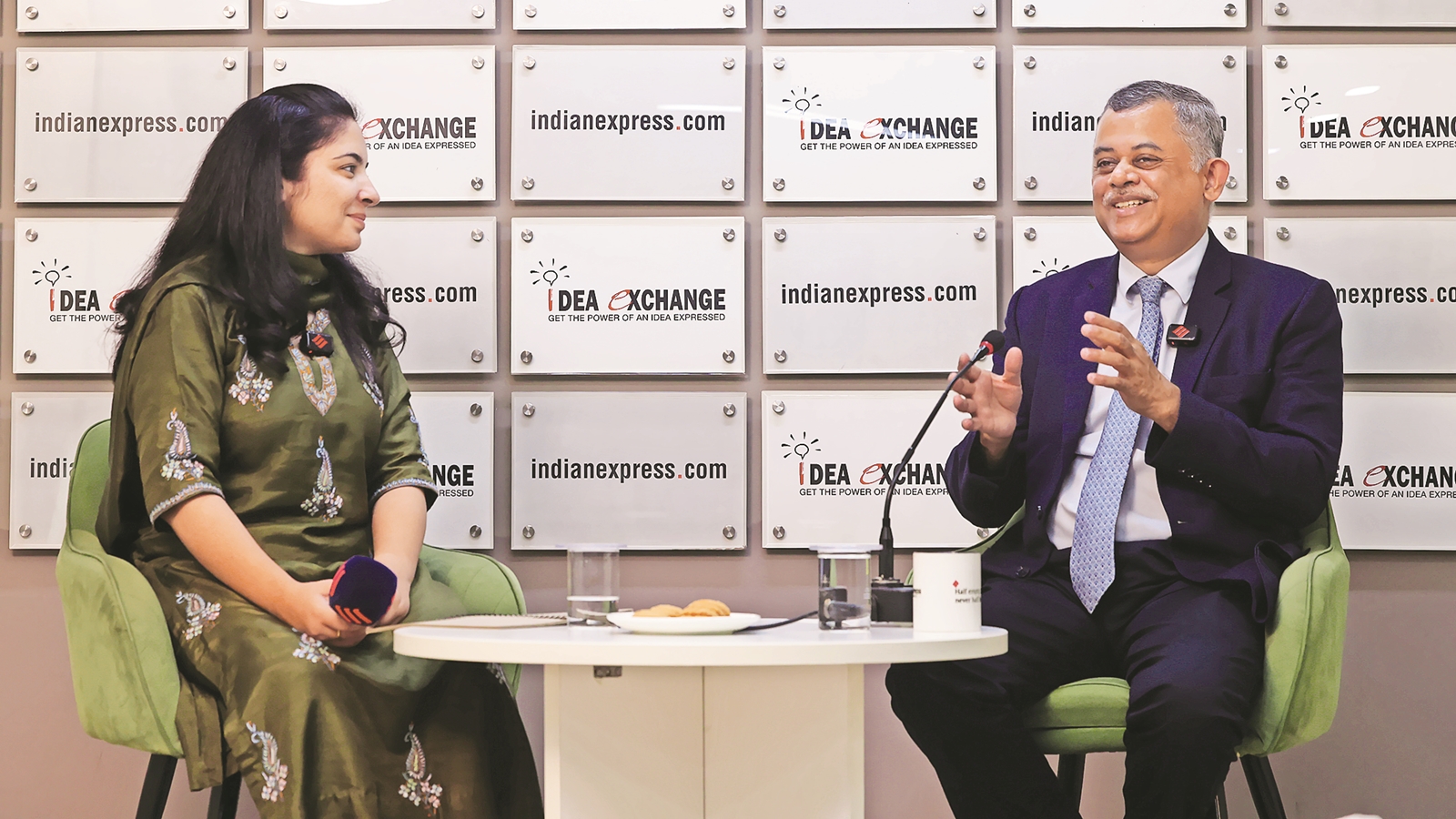
World Bank Executive Director Neelkanth Mishra discussed rising inequality, capital scarcity, and fresh investment priorities for India, Bangladesh, Bhutan and Sri Lanka, urging a democratization of capital access.
- Labor surplus and capital shortage are widening inequality in India
- World Bank focuses on tourism, urbanisation and private capital mobilisation
- Rising US bond yields increase financing costs for Indian investors
Neelkanth Mishra, Executive Director at the World Bank Group representing India, Bangladesh, Bhutan and Sri Lanka, highlighted the urgent need to democratise access to capital during a recent Idea Exchange conversation.
New Role at the World Bank
Mishra explained that his responsibilities span board‑level policy deliberations, reshaping the Bank’s engagement with India, and improving India’s image in Washington under new President Ajay Banga’s restructuring agenda.
India’s Financial Landscape
India’s non‑government financial credit now stands at roughly $3 trillion, expanding at about 15 % annually. In this massive market, the World Bank’s $2‑5 billion allocation is relatively marginal compared with two decades ago.
Shift in Capital Costs
U.S. 10‑year Treasury yields have risen to 4.7 %, while Indian yields sit near 6.7 %. After hedging, the risk‑free rate in rupee terms is no longer attractive, pushing up the cost of foreign capital for Indian borrowers.
Addressing Market Failures
The Bank’s expertise in tourism development and large‑scale urbanisation—gleaned from work in China and other nations—offers a template for bridging demand‑supply gaps in India’s growth projects.
Changing India’s Image in Washington
Mishra noted that many still view India through a 15‑20‑year‑old lens. Highlighting advances in semiconductors, digital public infrastructure and urbanisation is essential to reshape perceptions.
Foreign Capital Flows and Challenges
While net FDI remains modest, gross inbound FDI continues to rise. Large Indian firms are increasingly looking abroad for growth, prompting a modest rise in outbound FDI and a strategic shift toward a 1 % of GDP current‑account deficit target.
Why This Matters
BozokMedia analysis shows that without democratizing capital access, widening inequality could trigger social unrest and hamper India’s long‑term growth trajectory.
"The global rise in risk‑free rates forces India to rethink its financing model and prioritize domestic capital mobilisation," says economist Dr. Anita Singh.
Frequently Asked Questions
Q1: Which sectors will the World Bank prioritize for investment in India?
A: Tourism, urbanisation and projects that mobilise private capital.
Q2: How will higher foreign bond yields affect India’s economy?
A: They increase debt‑service costs, putting pressure on fiscal balances and monetary policy.