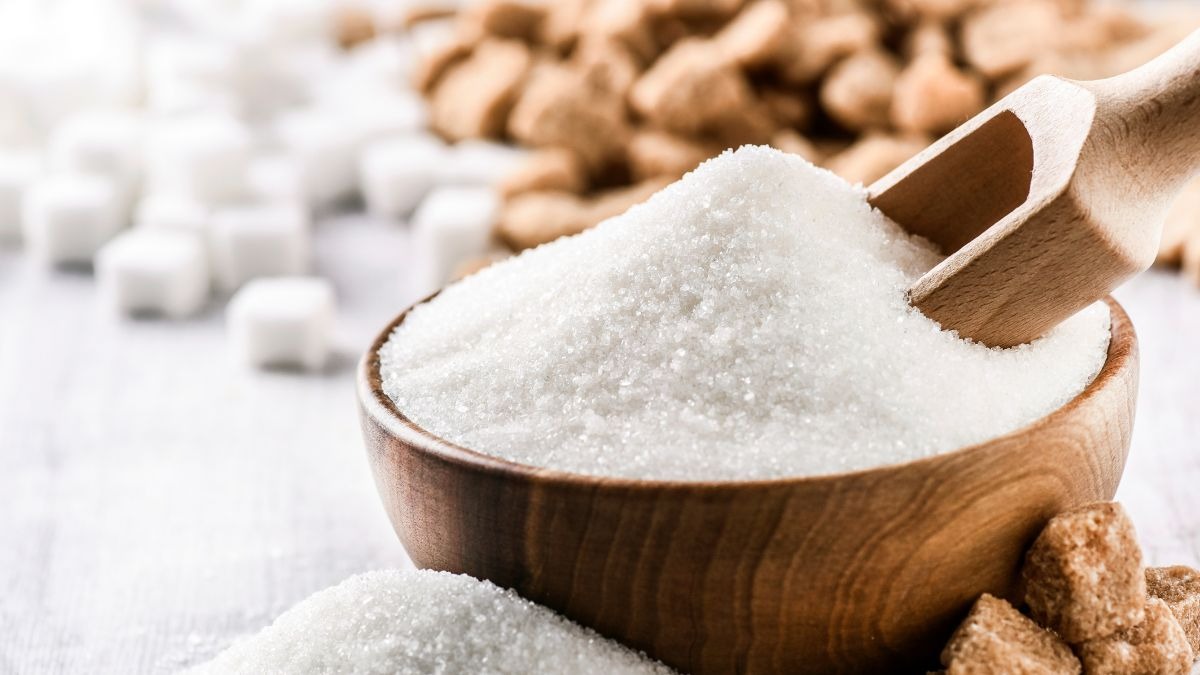
The Indian government has mandated that imported raw sugar must be refined and sold within 60 days to prevent artificial stockpiling. This move comes as retail prices jumped nearly 29% in a single month.
- Imported raw sugar must be refined and sold within a strict two-month window.
- Retail sugar prices surged from ₹48.73 to ₹63.05 per kg in one month.
- Government has allowed 10 lakh tonnes of imports by October 31 to stabilize markets.
- Production estimates for 2025-26 revised downward to 306 lakh tonnes due to pests and rain.
In a decisive move to protect consumers from skyrocketing commodity prices, the Ministry of Commerce and Industry has overhauled the regulations governing raw sugar imports. The new mandate requires that any raw sugar brought into the country be converted into refined sugar and liquidated in the domestic market within a strict two-month timeframe. This eliminates the previous vague requirement of processing within a "reasonable period," effectively closing the loophole used by traders to hoard stocks and manipulate prices.
The intervention follows a shocking spike in retail costs. According to official government data, the average all-India retail price of sugar hit ₹63.05 per kg, representing a staggering 29% increase from the previous month's average of ₹48.73. In some markets, prices have peaked as high as ₹75 per kg. Food Secretary Sanjeev Chopra described the rapid jump in ex-mill prices—from ₹47 to ₹62 per kg in just ten days—as "unjustified," signaling a crackdown on market speculators.
Why This Matters
BozokMedia analysis shows that this policy shift is a strategic attempt to decouple domestic price volatility from import timelines. By forcing a rapid turnaround from import to sale, the government is attempting to flood the market with supply precisely when demand peaks during the festive season. This prevents "strategic hoarding" where importers wait for prices to peak further before releasing stock.
The transition from a 'reasonable period' to a hard 60-day deadline transforms the import process from a speculative investment into a logistics-driven supply chain operation.
While the government acts, the Indian Sugar and Bio-Energy Manufacturers Association (ISMA) maintains that there is no fundamental shortage. ISMA President Niraj Shirgaokar asserted that production and stock positions remain comfortable, suggesting that the current price hike is driven by distribution bottlenecks rather than a lack of sugar.
However, the production landscape has shifted. The government revised the 2025-26 production estimate down to 306 lakh tonnes from an initial 343 lakh tonnes. This decline is attributed to severe pest infestations and waterlogging caused by erratic and excess rainfall, which has hampered sugarcane yields across key growing belts.
The Ethanol Debate
A political storm has brewed over the Centre's ethanol-blending policy. Opposition parties argue that diverting sugar to ethanol production has depleted the food-grade sugar supply. The government has dismissed these claims as "baseless," arguing that ethanol diversion has actually stabilized the financial health of sugar mills, ensuring that farmers are paid their dues on time.
| Metric | Previous Estimate (2025-26) | Revised Estimate (2025-26) |
|---|---|---|
| Sugar Production | 343 Lakh Tonnes | 306 Lakh Tonnes |
| Avg. Retail Price (1 Month Ago) | ₹48.73 / kg | ₹63.05 / kg (Current) |
| Import Window | Reasonable Period | Strict 2 Months |
Frequently Asked Questions
Q1: Why did the government change the import rules?
The rules were tightened to prevent traders from hoarding imported raw sugar, ensuring it reaches consumers quickly to lower retail prices.
Q2: What caused the drop in sugar production estimates?
The reduction from 343 to 306 lakh tonnes was primarily caused by pest attacks on crops and waterlogging from excessive rainfall.