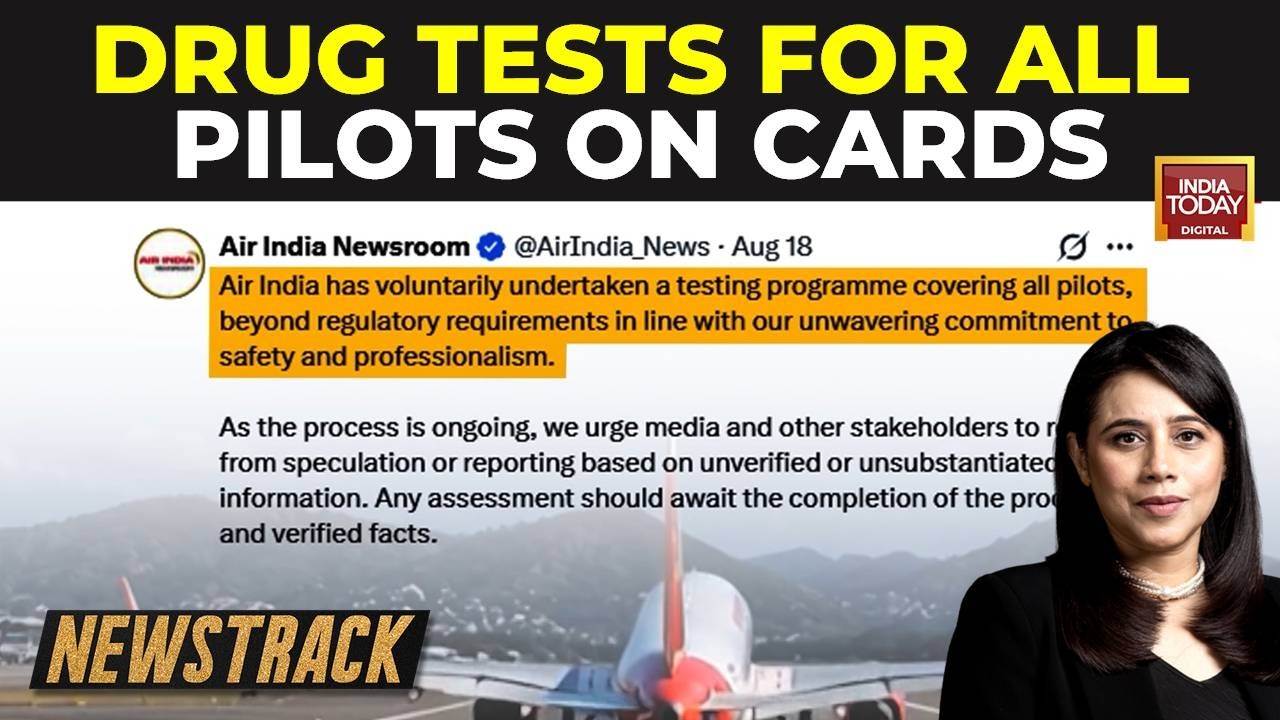
Following a positive drug test result for an Air India pilot, Indian aviation authorities are planning to implement mandatory annual drug screenings for all professional pilots to enhance flight safety.
- Mandatory annual drug testing proposed for all commercial pilots.
- Triggered by a positive drug test result from an Air India pilot.
- Aim to strengthen aviation safety and minimize human error.
The Indian aviation sector is bracing for a significant regulatory shift. Following a recent incident where an Air India pilot tested positive for prohibited substances, authorities are moving toward implementing mandatory annual drug testing for all commercial pilots operating in the country.
This proposed measure aims to create a stringent safety net, ensuring that every individual at the controls of an aircraft is fully alert and free from any substance-induced impairment. The move comes as a direct response to the heightened concerns regarding pilot wellness and professional conduct.
Why This Matters
BozokMedia analysis shows that substance abuse in high-stakes professions like aviation can lead to catastrophic failures. By normalizing regular, unannounced, or scheduled drug screenings, the regulatory bodies aim to foster a culture of accountability and extreme vigilance, which is essential for maintaining public trust in air travel.
Implementing a zero-tolerance policy toward substance abuse is non-negotiable for maintaining the highest standards of global aviation safety.
Historically, aviation safety has relied heavily on rigorous medical examinations; however, the specific focus on narcotics and psychological readiness is becoming increasingly critical in the modern era. This shift aligns India with international best practices used by major global aviation regulators.
The implications of this policy extend beyond mere compliance. It will likely influence pilot training programs, airline recruitment processes, and the overall operational culture within Indian carriers. As India continues to expand its aviation footprint, the emphasis on safety will be the cornerstone of its growth.
Frequently Asked Questions
1. Why is this rule being introduced now?
The proposal was accelerated following a specific incident involving an Air India pilot testing positive for drugs.
2. Will this affect pilot employment?
While it increases scrutiny, it is designed to ensure that only fit and qualified professionals remain in the cockpit, ultimately protecting the industry.