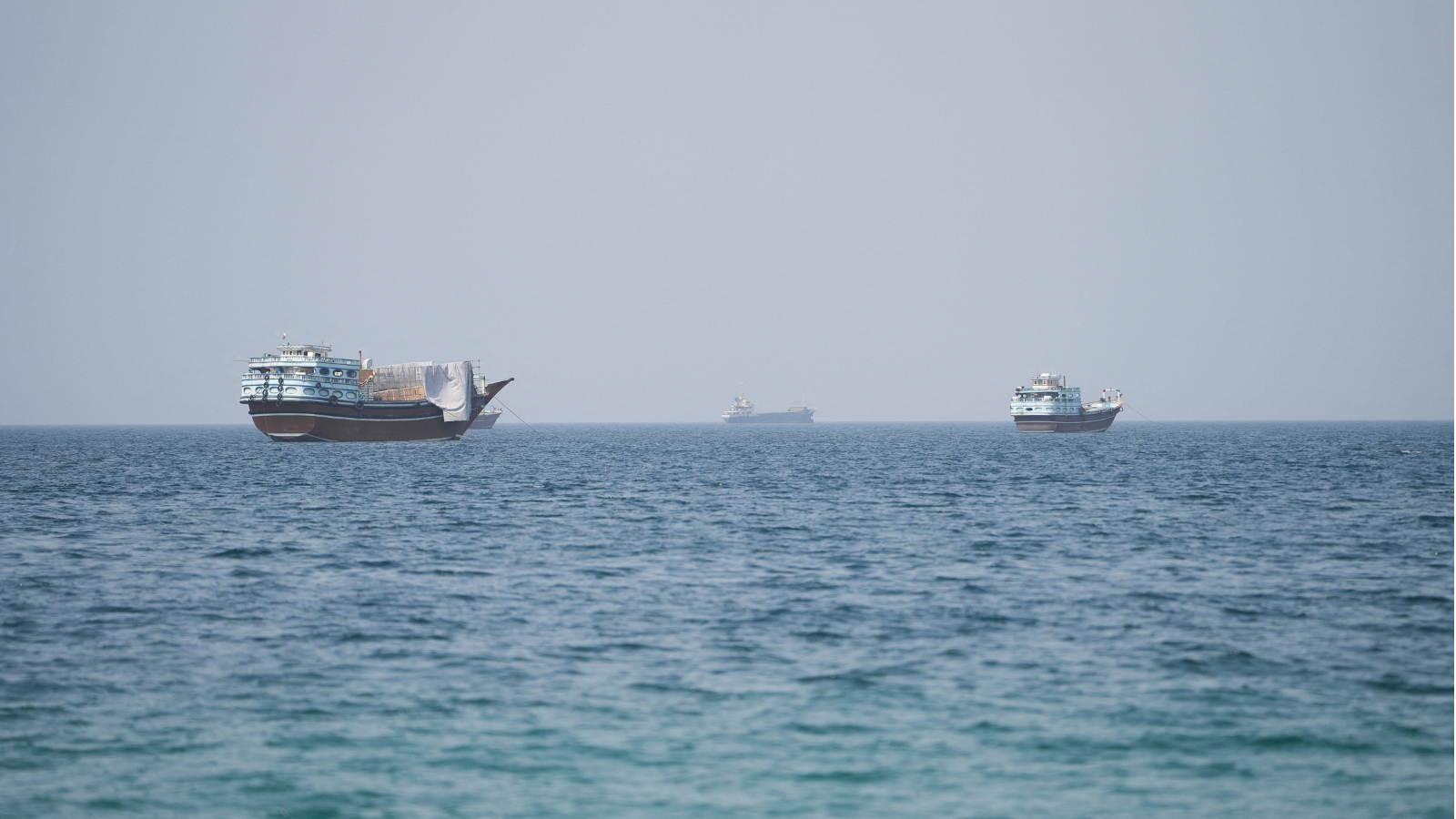
Iran's Persian Gulf Strait Authority (PGSA) has blacklisted 45 vessels for allegedly violating transit rules in the Strait of Hormuz, including two major Indian-operated ships. This move poses significant risks to international energy security and maritime trade.
- Iran's PGSA issued a blacklist of 45 'non-compliant' vessels for violating transit terms in the Strait of Hormuz.
- Two Indian-linked vessels, LNG tanker 'Disha' and bulk carrier 'Maha Roos', are on the list.
- The PGSA warned of fines, seizure, or confiscation for violating vessels.
- India relies heavily on this strait for 40% of crude oil and 60% of LNG imports.
In a significant escalation of maritime regulatory enforcement, the Persian Gulf Strait Authority (PGSA) of Iran has blacklisted 45 vessels for allegedly violating the terms set by Tehran for transiting the Strait of Hormuz. An analysis of the list revealed that two vessels owned or operated by Indian entities are among those designated as 'non-compliant,' raising concerns over the stability of energy shipments to South Asia.
Details of the Blacklisted Indian Vessels
The two Indian vessels identified in the PGSA list are the LNG tanker Disha and the bulk carrier Maha Roos. The 'Disha' is a long-term chartered vessel for Petronet LNG, India's largest LNG importer. It is owned by the India LNG Transport Company No.1, a joint venture involving the Shipping Corporation of India (SCI). On the other hand, 'Maha Roos' is owned by Pune-based BG Shirke Construction Technology, with Mumbai-based Five Stars Shipping managing its commercial operations.
The blacklisting of these vessels represents a strategic use of maritime choke-point control by Iran to exert geopolitical pressure.
Why This Matters
BozokMedia analysis shows that the Strait of Hormuz is one of the world's most critical maritime chokepoints. Before the recent West Asia conflict, the strait facilitated 20% of global crude oil and LNG flows. For India, the stakes are exceptionally high; the country imports approximately 40% of its crude oil, 60% of its LNG, and 90% of its LPG through this specific corridor. Any disruption or increased regulatory hurdle in this region directly impacts India's domestic energy prices and supply chain stability.
The PGSA has issued a stern warning: any vessels engaging in ship-to-ship transfers or transshipments with these blacklisted ships will also face inclusion on the list. The authority has threatened penalties including heavy fines, seizure, or complete confiscation of the vessels.
Historical Background and Geopolitical Context
The tension surrounding the Strait of Hormuz is not new. Tehran has consistently insisted that vessels follow designated routings and seek its approval for transit. Conversely, the United States and its allies have encouraged shipping companies to use alternative routes, such as those hugging the coast of Oman, to bypass Iranian-designated lanes. This standoff has intensified as the US has recently threatened Iran with unprecedented economic sanctions, creating a volatile environment for global shipping.
Frequently Asked Questions
1. What are the consequences for the blacklisted vessels?
Vessels on the list face restrictions in future transits, including potential fines, seizure, or confiscation by Iranian authorities.
2. How does this affect Indian consumers?
Since India is heavily dependent on West Asian energy, restrictions on these vessels could lead to supply delays and increased costs for fuel and gas.