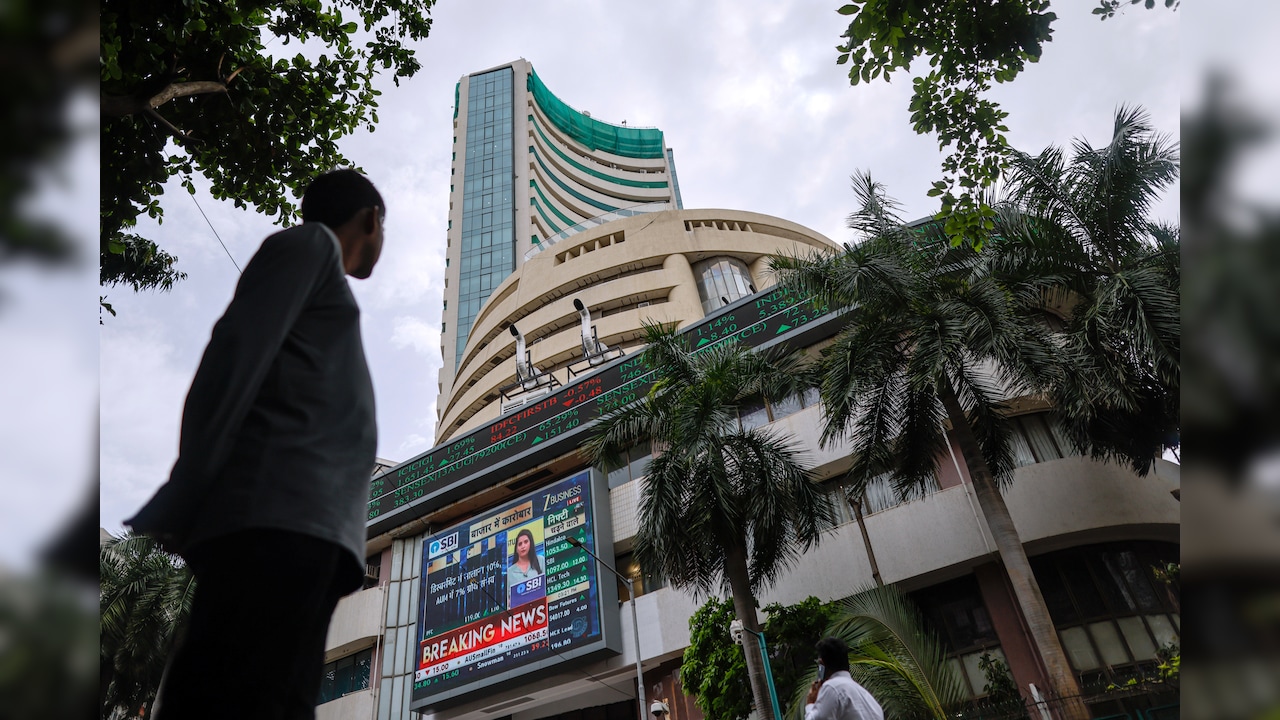
The Indian stock market witnessed significant selling pressure today as the Sensex and Nifty slipped into the red. Rising crude oil prices and global geopolitical tensions are driving the bearish sentiment.
- Sensex fell by over 100 points in early trade.
- Nifty 50 also recorded significant losses.
- Rising crude oil prices and global tensions are the primary triggers.
The Indian equity markets faced a downturn during today's trading session, with both the BSE Sensex and NSE Nifty 50 trading in the red. The Sensex slipped by approximately 122 points, while the Nifty also struggled to maintain positive momentum, reflecting widespread selling pressure across major indices.
Market analysts attribute this sudden dip to the escalating prices of crude oil and heightened geopolitical tensions globally. Such macro-economic factors often trigger a sell-off by Foreign Institutional Investors (FIIs), who seek refuge in safer assets during times of international uncertainty. The timing of this decline coincided with the monthly expiry of the Nifty, adding to the intraday volatility.
Why This Matters
BozokMedia analysis shows that the correlation between energy prices and domestic market stability is tightening. As India is a major importer of crude oil, any spike in energy costs directly impacts the fiscal deficit and inflationary pressures, making the market highly sensitive to Middle Eastern or global supply chain disruptions.
The convergence of energy price volatility and geopolitical risk is creating a cautious environment for domestic equity investors.
On a sectoral basis, the Auto and Metal sectors bore the brunt of the selling spree. Conversely, while most stocks were in the red, Trent emerged as a standout performer, managing to stay in the gainers' list despite the broader market gloom. Investors are advised to monitor support levels closely.
Historical Background
Historically, the Indian stock market has shown a high sensitivity to global commodity cycles. Periods of geopolitical instability in oil-producing regions have traditionally led to capital outflows from emerging markets like India, leading to periodic market corrections.
Frequently Asked Questions
1. What is driving the current market decline?
The primary drivers are rising crude oil prices and increased global geopolitical tensions.
2. Which sectors are seeing the most selling?
The Auto and Metal sectors are currently experiencing the highest levels of selling pressure.