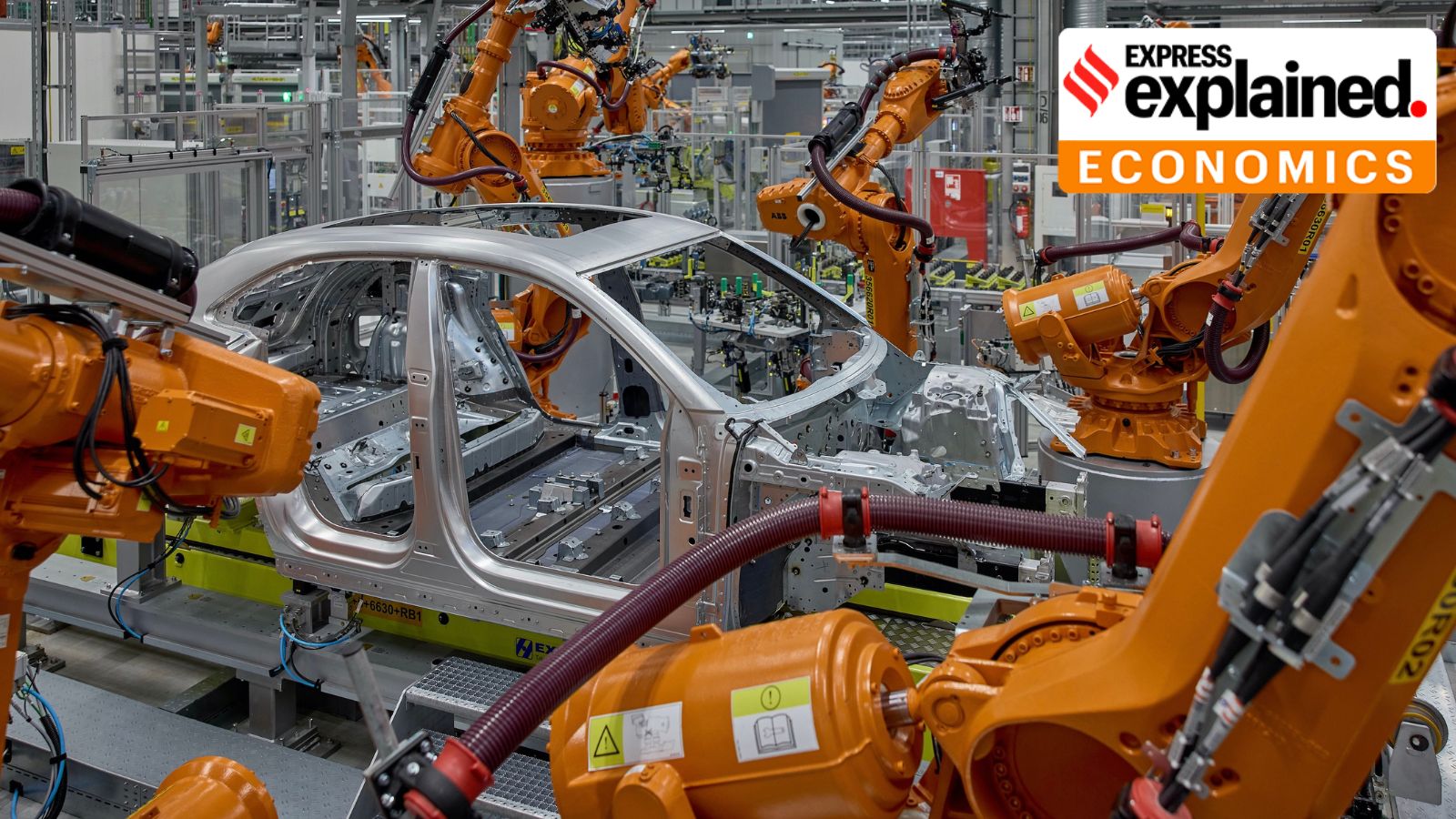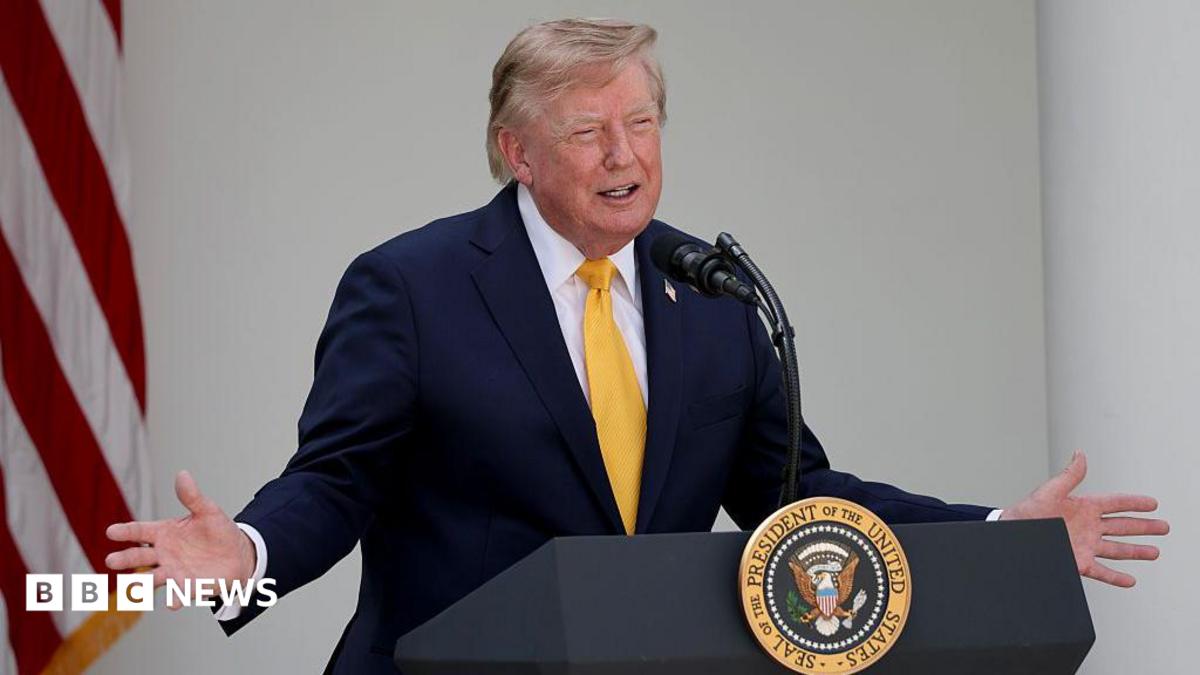
President Donald Trump has threatened to double tariffs on Canadian automobiles and auto parts to 50%. Following the collapse of trade talks, tensions have reached a breaking point between the two North American neighbors.
- President Trump announced a hike in tariffs on Canadian cars and trucks from 25% to 50% effective January 1.
- Prime Minister Mark Carney accused the US of attempting to 'destroy' Canada's automotive sector.
- Trade negotiations collapsed after both sides failed to agree on last-minute demands.
- Canada is preparing reciprocal 'dollar-for-dollar' tariffs on US goods.
The economic relationship between the United States and Canada has entered a period of unprecedented volatility. President Donald Trump has officially threatened to increase tariffs on Canadian-origin automobiles, trucks, and auto parts from 25% to a staggering 50%, set to take effect on January 1, 2026. This escalation follows the dramatic collapse of high-level trade negotiations late last week.
The Collapse of Negotiations
The breakdown occurred after a series of intense sessions where both nations accused the other of making unreasonable, last-minute demands. Canadian officials walked away from the table on Friday night, just moments before a US-imposed deadline that would have applied heavy levies on nearly $20 billion worth of Canadian imports. While Canada claims the US introduced unacceptable clauses regarding third-party trade agreements, US Trade Representative Jamieson Greer suggested that Canada was the party demanding more concessions.
Why This Matters
BozokMedia analysis shows that this trade friction threatens the very foundation of the USMCA (United States-Mexico-Canada Agreement). The auto industry, a cornerstone of both economies, is caught in the crossfire. A 50% tariff could lead to immediate price hikes for consumers in the US and potential layoffs for thousands of workers in Ontario and Quebec.
Prime Minister Mark Carney stated that Canada will only resume talks if the United States approaches the table with the 'right attitude.'
Canadian Prime Minister Mark Carney has taken a defiant stance, labeling the tariff threat as an attempt to dismantle Canada's industrial base. In response, Carney has pledged to protect Canadian workers and is looking toward diversifying trade routes, including a C$11bn investment in Quebec shipyards to secure northern shipping lanes.
Political Fallout and Energy Leverage
The rhetoric has turned increasingly personal and aggressive. Ontario Premier Doug Ford issued a scathing response to the President, suggesting that Canada should leverage its energy dominance by charging the US more for oil, gas, and critical minerals. This is a significant threat, given that Canada provides 60% of US crude oil imports and nearly 100% of its natural gas exports.
Trump responded via Truth Social, dismissing Ford's comments as 'bluster' and warning that the consequences for Canada would be far worse if leadership does not 'fall in line.'
Frequently Asked Questions
1. When will the new tariffs take effect?
The proposed 50% tariff on Canadian vehicles and parts is scheduled to begin on January 1, 2026.
2. How will this affect US consumers?
Retailers have warned that costs for Canadian-made goods, such as specialized automotive parts and consumer products, could rise by up to 50% overnight.