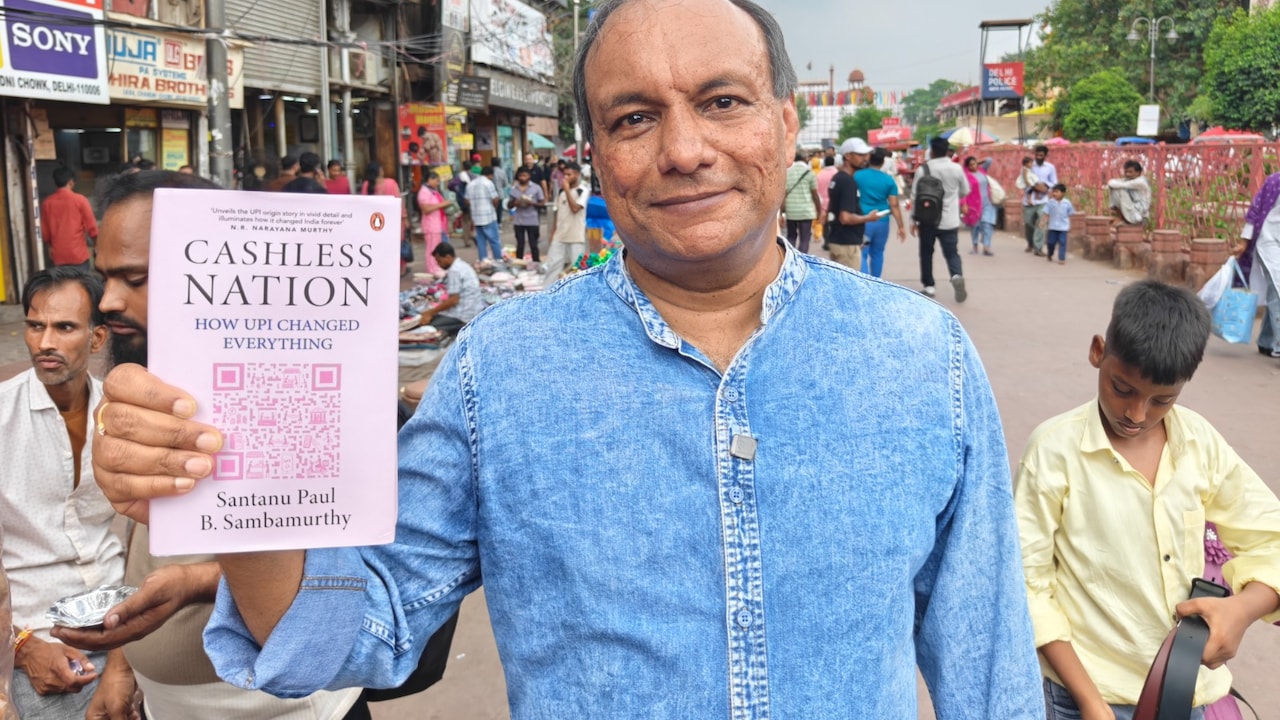
With over 55 crore users, India's Unified Payments Interface (UPI) has fundamentally transformed the nation's economy, driving unprecedented financial inclusion and digital commerce.
- Over 550 million active UPI users in India.
- Massive surge in financial inclusion across rural and urban sectors.
- Reshaping the nation from a cash-heavy to a digital-first economy.
India is witnessing a monumental shift in its financial landscape. The Unified Payments Interface (UPI) has emerged as the backbone of the country's digital revolution, fundamentally altering how commerce is conducted across the subcontinent. Today, more than 55 crore Indians utilize UPI, marking a significant milestone in the global fintech journey.
The success of UPI lies in its seamless integration and accessibility. From street vendors to high-end retail outlets, the ubiquity of QR codes has made digital transactions as intuitive as handing over cash. This shift has not only streamlined consumer behavior but has also empowered small-scale entrepreneurs by bringing them into the formal economic fold.
Why This Matters
BozokMedia analysis shows that the UPI phenomenon is more than just a convenience; it is a structural transformation. By lowering the barrier to entry for digital banking, UPI has bridged the gap between the unbanked population and the mainstream financial ecosystem, fostering massive economic resilience.
UPI has effectively democratized finance in India, making digital payments a fundamental right rather than a luxury.
Historical Background: The digital payment surge in India gained significant momentum following the demonetization period in 2016. Developed by the National Payments Corporation of India (NPCI), the system was designed to provide a real-time, interoperable, and secure platform for instant fund transfers.
The implications of this revolution extend far beyond India's borders. As international partners like Singapore, the UAE, and France explore integrations with UPI, India is setting a global benchmark for real-time retail payment systems.
Frequently Asked Questions
Question 1: Who manages the UPI infrastructure?
Answer: The Unified Payments Interface is developed and managed by the National Payments Corporation of India (NPCI).
Question 2: Is UPI safer than traditional banking methods?
Answer: UPI utilizes advanced multi-factor authentication and encryption, making it one of the most secure digital payment methods globally.