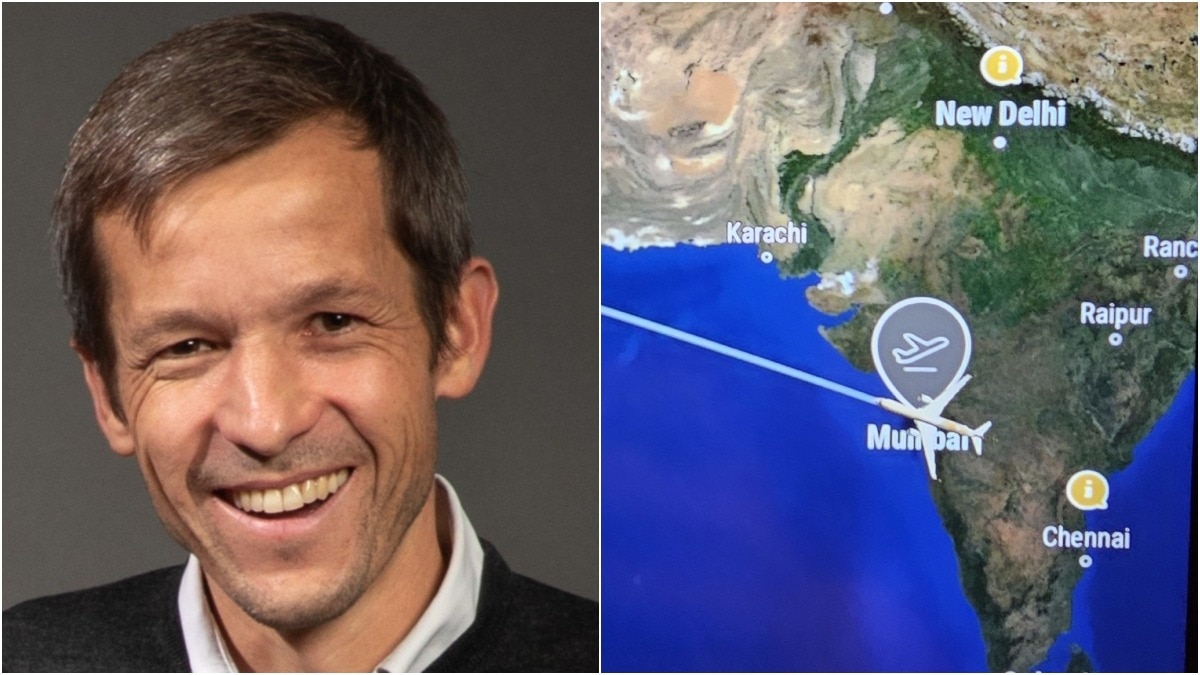
A viral 22-year observation by an Austrian national has ignited a profound discussion regarding the disconnect between India's skyrocketing GDP and the actual lived experience of its citizens.
- India has seen massive economic expansion and infrastructural growth.
- A significant gap exists between macroeconomic data and micro-level quality of life.
- The viral observation highlights the nuances of long-term developmental changes.
A detailed observation spanning 22 years by an Austrian citizen has gone viral, prompting a global conversation on whether India's rapid economic ascent has translated into tangible improvements in the daily lives of its people. While the nation's economic indicators suggest a meteoric rise, the qualitative aspects of human existence present a more complex picture.
The observer noted that while the physical landscape of India—ranging from digital connectivity to urban infrastructure—has undergone a radical transformation, the social fabric and individual well-being metrics tell a different story. The rise of the middle class is evident, yet the disparity between the ultra-wealthy and the marginalized remains stark.
Why This Matters
BozokMedia analysis shows that economic growth is a necessary but insufficient condition for holistic national progress. For a nation to truly thrive, the wealth generated must manifest in better healthcare, education, and environmental stability for the masses.
True prosperity is measured not by the height of skyscrapers, but by the standard of living of the most vulnerable citizens.
Historically, India has transitioned through various economic epochs, from the post-independence era to the 1991 liberalization. Each phase brought growth, but each also brought new challenges regarding inequality and resource distribution. This current era of digital and economic boom is testing the resilience of India's social systems.
The viral nature of this commentary underscores a growing global interest in how emerging economies navigate the transition from developing to developed status without losing sight of human-centric development.
Frequently Asked Questions
Question 1: What is the core argument of the Austrian man's observation?
Answer: The core argument is that while India has undeniably become wealthier on paper, the actual improvement in the quality of life for the average citizen hasn't kept pace with economic growth.
Question 2: Why is there a gap between GDP and quality of life?
Answer: GDP measures total economic output, which can be skewed by high-end growth, whereas quality of life includes factors like social equality, health, and environmental quality.