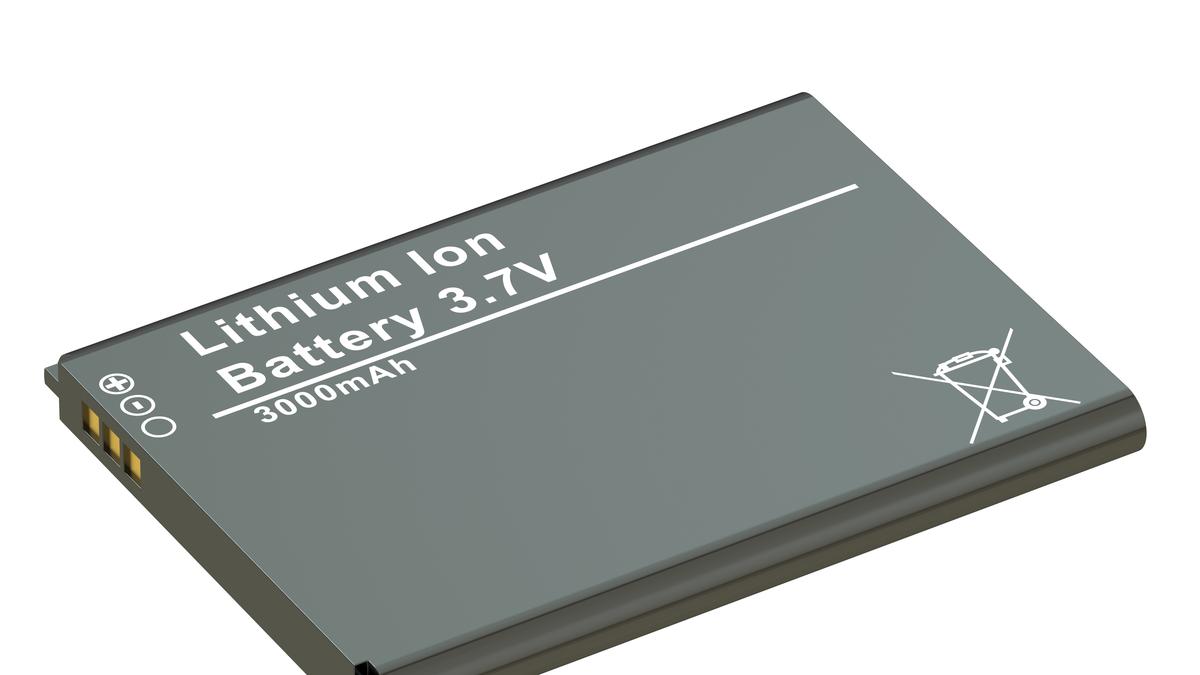
Finance Minister Nirmala Sitharaman has announced significant customs duty exemptions for solar glass and lithium-ion battery components. This move aims to accelerate India's renewable energy manufacturing capabilities.
- Basic customs duty on sodium antimonate for solar glass manufacturing slashed from 7.5% to 0%.
- Exemptions granted on capital goods required for Lithium-ion cell manufacturing (BESS).
- Ministry of New and Renewable Energy allocation increased to ₹32,914 crore.
- ₹22,000 crore earmarked for Pradhan Mantri Surya Ghar Muft Bijli Yojana.
New Delhi: Eschewing massive headline-grabbing announcements, Finance Minister Nirmala Sitharaman utilized the Union Budget 2026 to implement a series of strategic customs duty exemptions. The primary objective is to fortify the domestic manufacturing ecosystem for clean-energy components, specifically focusing on lithium-ion batteries and solar cells.
In a significant move for the solar industry, the basic customs duty on sodium antimonate—a critical component in the manufacture of solar glass—has been reduced from 7.5% to zero. Furthermore, specified capital goods essential for the production of lithium-ion cells for Battery Energy Storage Systems (BESS) have also been exempted from duty, directly addressing the supply chain challenges faced by domestic players.
Why This Matters
BozokMedia analysis shows that these targeted exemptions are designed to mitigate the high costs of critical raw materials and specialized equipment. By lowering the barrier to entry for manufacturers, the government is attempting to bridge the gap between current production capacities and the ambitious green energy targets set for the next decade.
The budget frames India’s energy transition within a broader push for industrial competitiveness and resilient supply chains.
The push for energy independence extends into the nuclear sector as well. Following the passage of the SHANTI Act, which incentivizes private investment in nuclear power, the allocation for the Department of Atomic Energy has risen to ₹38,422 crore. A significant portion of this, ₹10,000 crore, is dedicated specifically to atomic energy research to support the development of indigenous Small Modular Reactors.
The Ministry of New and Renewable Energy saw a substantial budgetary boost, rising to ₹32,914 crore from ₹26,549 crore in the previous year. A major driver of this outlay is the Pradhan Mantri Surya Ghar Muft Bijli Yojana, which aims to solarize one crore households by 2026-27. The government has increased its allocation for this scheme to ₹22,000 crore this year.
| Sector | Previous Allocation (Cr) | Current Budget (Cr) |
|---|---|---|
| Renewable Energy Ministry | ₹26,549 | ₹32,914 |
| Department of Atomic Energy | ~₹37,668 | ₹38,422 |
| Atomic Energy Research | ~₹9,259 | ₹10,000 |
Frequently Asked Questions
1. How does the budget help solar manufacturers?
It eliminates the 7.5% customs duty on sodium antimonate, making solar glass production more cost-effective.
2. What is the goal of the Pradhan Mantri Surya Ghar Muft Bijli Yojana?
The scheme intends to provide solar electricity to one crore households by the 2026-27 period.

