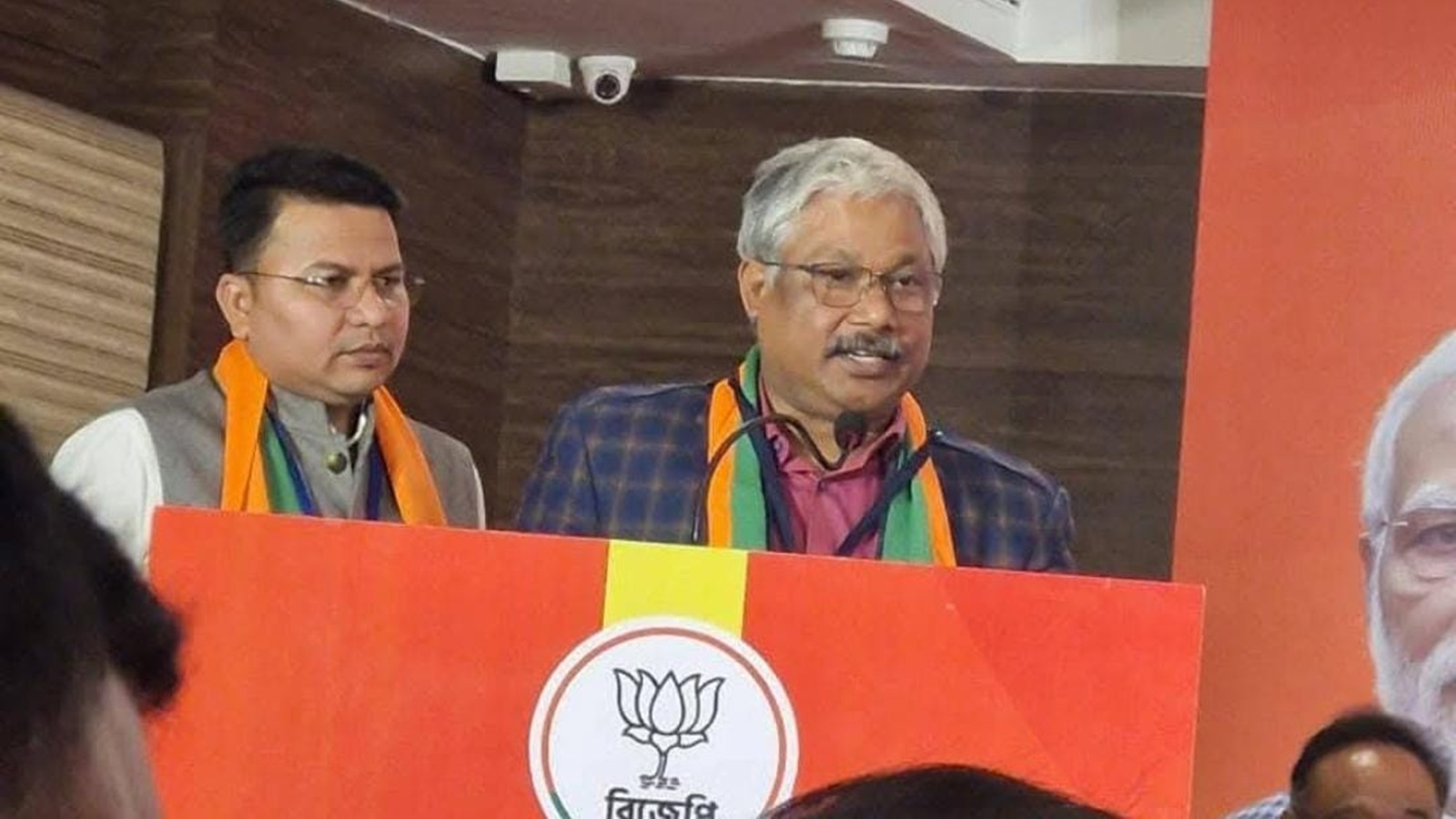
West Bengal Minister Dipak Barman announced a new startup policy and upcoming legislation to protect MSMEs from illegal interference and 'cut money' practices.
- West Bengal is drafting a new startup policy focused on innovation and ease of doing business.
- A new bill, the West Bengal Industries Bill 2026, will protect entrepreneurs from local extortion.
- MSMEs employ over 2 crore people, accounting for 99% of the state's industrial employment.
- The state leads India in the number of women entrepreneurs.
Speaking at the 'Indian Express Roundtable Conference' in Kolkata, West Bengal MSME Minister Dipak Barman detailed the state's strategic roadmap to revitalize its industrial sector. Highlighting the Micro, Small, and Medium Enterprises (MSMEs) as the backbone of the economy, Barman emphasized that the government is actively working on a transformative startup policy designed to foster a robust innovation ecosystem.
Empowering Tomorrow's Entrepreneurs
Minister Barman noted that West Bengal possesses a rich entrepreneurial heritage spanning handlooms, handicrafts, textiles, and food processing. "We want to create the entrepreneurs of tomorrow," Barman stated. "By providing mentorship, market access, and investment facilitation, we aim to make Bengal a preferred destination for job creation and innovation."
In a decisive move to tackle systemic issues, the Minister announced the upcoming West Bengal Industries (Protection from Unlawful Demands and Interference) Bill, 2026. This legislation is specifically aimed at shielding business owners from local goons and the menace of 'cut money' (extortion), which has historically hindered industrial growth.
Why This Matters: BozokMedia Analysis
BozokMedia analysis shows that the success of West Bengal's economic recovery hinges on the security and scalability of its MSME sector. With over 90 lakh MSME units employing more than 2 crore people, these enterprises represent 99% of the state's industrial workforce. Strengthening this sector is not just an economic necessity but a social imperative to prevent migrant labor flight.
"The transition from traditional crafts to modern innovation-led startups will define Bengal's next decade."
The state's infrastructure for MSMEs is already significant, featuring 660 clusters and 59 GI tags. To support this, three facilitation councils have been established in Kolkata, Durgapur, and Siliguri to provide localized support to business owners.
Historical Background: The Industrial Landscape
Historically, West Bengal has been a global hub for jute and textile manufacturing. While the state has faced industrial shifts and challenges regarding factory closures in previous regimes, the current administration is focusing on decentralizing growth through MSMEs and empowering women, who are leading the state's developmental journey.
Frequently Asked Questions (FAQ)
1. What is the primary goal of the new West Bengal startup policy?
The policy aims to strengthen the innovation ecosystem by offering mentorship, investment support, and easier business operations.
2. How will the government stop extortion in the MSME sector?
Through the introduction of the West Bengal Industries (Protection from Unlawful Demands and Interference) Bill, 2026.