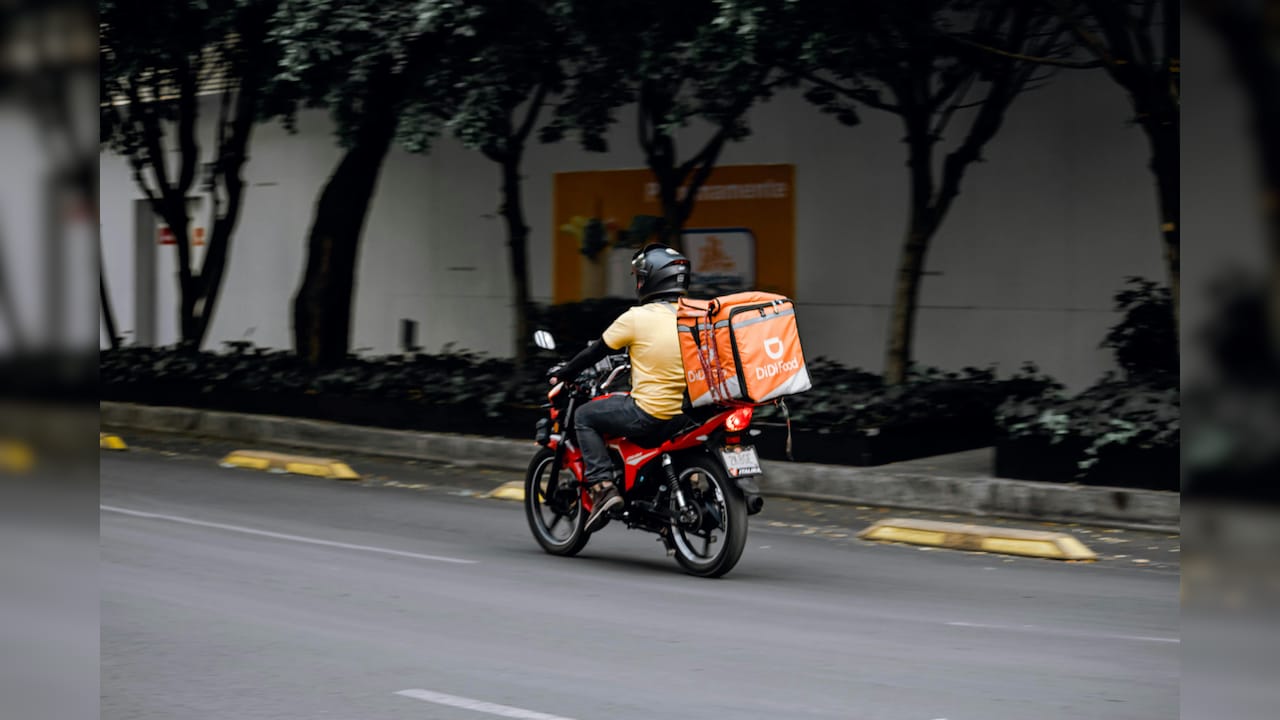
Driven by festive demand, delivery and quick-commerce platforms report a 15% surge in gig hiring, with significant expansion observed in Tier-II cities.
- Gig employment has seen a significant 15% spike during the festive period.
- Delivery associates and warehouse staff are the primary drivers of this growth.
- Tier-II cities are emerging as major hubs for new job opportunities.
As the festive season approaches, India's gig economy is witnessing a massive surge in activity. Recent industry trends indicate a 15% increase in hiring across delivery and quick-commerce platforms. This expansion is not limited to metropolitan hubs but is showing a particularly strong trend in Tier-II cities, marking a shift in India's economic distribution.
Delivery associates remain the most sought-after workforce during this period. To meet the skyrocketing demand for rapid deliveries, e-commerce giants and quick-commerce startups are aggressively onboarding new personnel. Simultaneously, warehouses and fulfillment centers are scaling up their operations to manage the anticipated surge in order volumes, ensuring seamless logistics during the peak shopping days.
Why This Matters
BozokMedia analysis shows that this trend highlights the deep penetration of digital commerce into India's heartland. The surge in Tier-II cities suggests that consumer spending power and digital literacy are no longer confined to major metros, creating a decentralized economic boom that supports local livelihoods.
The rapid scaling of the gig workforce is a direct response to the evolving consumer expectation for instant gratification and hyper-local delivery.
Historically, the festive season in India acts as a massive economic catalyst. Over the last decade, the logistics sector has transformed from a supporting role to a primary driver of seasonal employment, leveraging technology to manage the complex interplay between demand spikes and supply chain efficiency.
Frequently Asked Questions
1. What industries are driving this hiring surge?
The primary drivers are the quick-commerce, food delivery, and e-commerce logistics sectors.
2. Why are Tier-II cities seeing more jobs?
Increased internet penetration and the expansion of digital payment ecosystems have made online shopping highly accessible in smaller cities.
