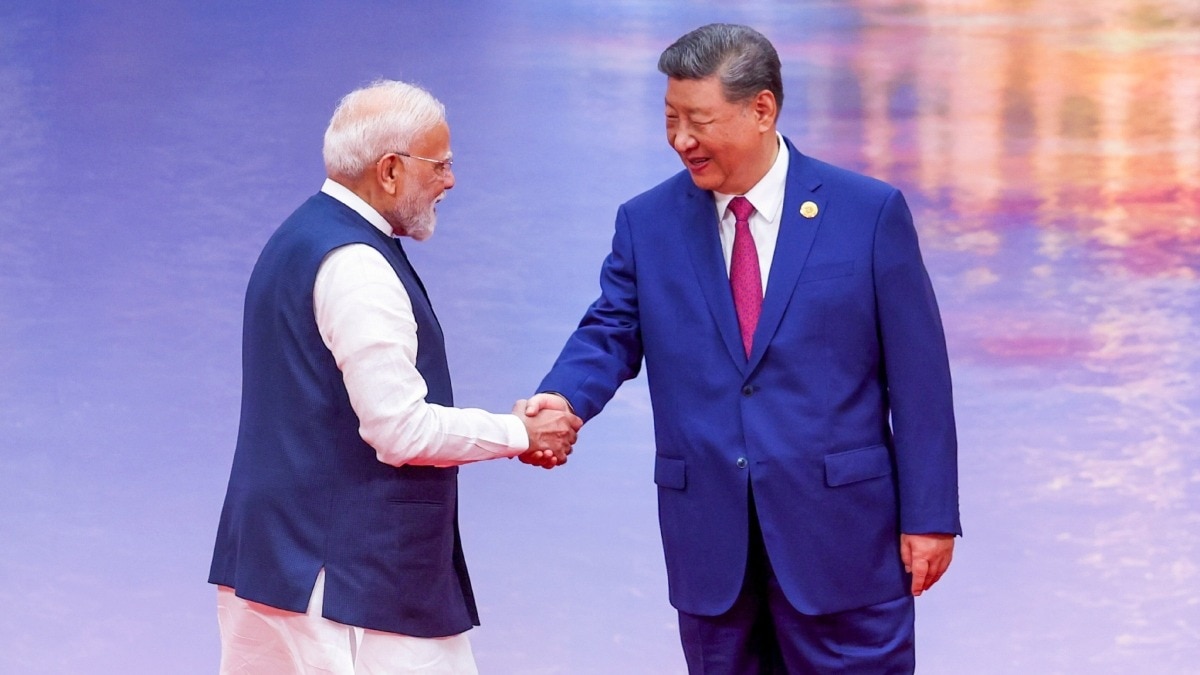
India and China are reportedly working on a new investment framework to revitalize trade relations. A potential visit by President Xi Jinping to India during the BRICS summit could signal a major shift in global supply chains.
- India and China are considering a new investment framework to facilitate bilateral trade.
- President Xi Jinping is expected to visit India for the upcoming BRICS Summit.
- The framework aims to reduce the trade deficit and enhance global supply chain stability.
- Investment will likely be restricted to non-strategic sectors like EVs and export processing.
In a significant shift in geopolitical dynamics, India and China are moving toward a potential economic rapprochement. After years of border tensions and diplomatic friction, the two Asian giants are exploring a comprehensive investment framework designed to boost trade and streamline economic exchanges.
The groundwork for this diplomatic thaw was reportedly laid during National Security Advisor Ajit Doval's recent visit to Beijing. Industry insiders suggest that this new framework could be officially announced during the BRICS Summit scheduled for mid-September. The most anticipated highlight is the potential visit of Chinese President Xi Jinping to India, where he is expected to hold high-level talks with Prime Minister Narendra Modi.
Why This Matters
BozokMedia analysis shows that a functional economic partnership between India and China could fundamentally alter the global supply chain landscape. As the United States continues to employ tariff threats and trade pressures, a strengthened India-China economic corridor could offer an alternative to Western-centric trade models.
The proposed framework represents a calculated move by India to leverage Chinese capital for industrial growth while maintaining strict safeguards on national security.
The proposed framework is expected to focus on creating Special Economic Zones (SEZs) and export-oriented manufacturing hubs. There is specific interest in the Electric Vehicle (EV) sector, potentially allowing Chinese giants like BYD greater market access in India. However, New Delhi remains firm on its stance regarding sensitive sectors; investments in defense, border infrastructure, and other strategic areas will remain strictly prohibited.
India's primary objective is to secure a reliable supply of critical raw materials and technology from China while simultaneously addressing the massive trade deficit. By encouraging Chinese investment in non-strategic manufacturing, India hopes to boost its domestic production capabilities and integrate more deeply into the global value chain.
Frequently Asked Questions
1. Will China be allowed to invest in India's defense sector?
No, India will maintain strict restrictions on Chinese investments in strategic and sensitive sectors, including defense and border security.
2. What is the main goal of this new investment framework?
The main goal is to facilitate smoother trade, encourage investment in non-strategic sectors, and reduce the bilateral trade imbalance.