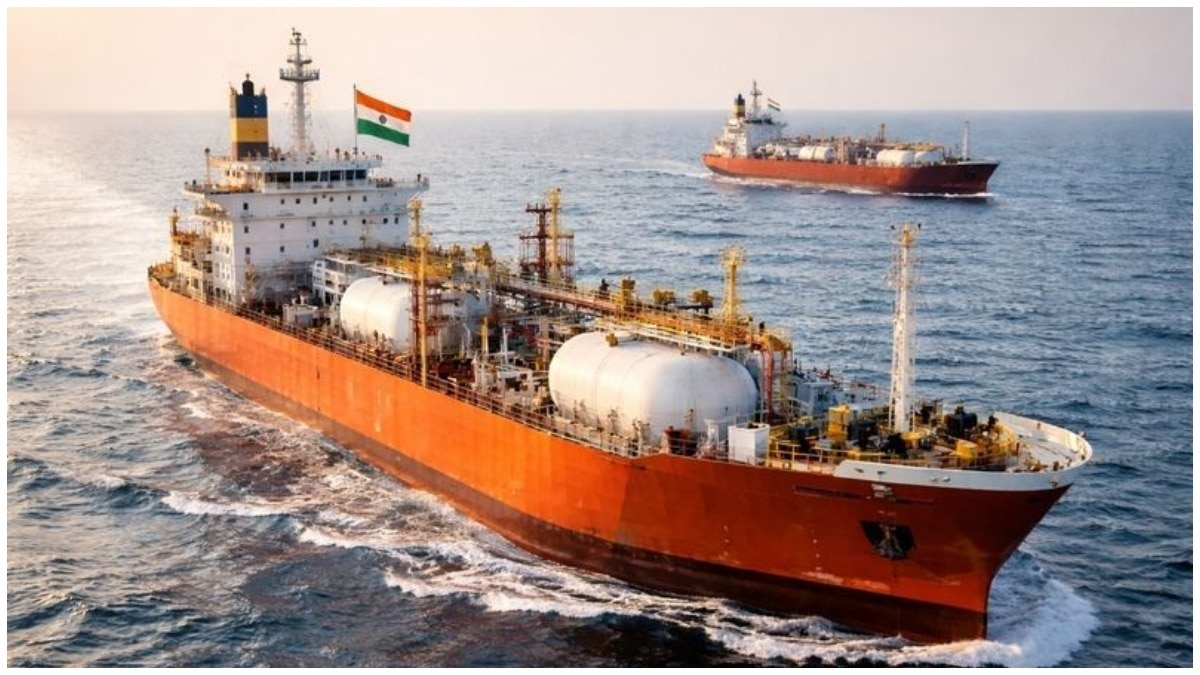
In a significant geopolitical shift, India has emerged as Kenya's largest supplier of petroleum products, displacing traditional giants like the UAE and Saudi Arabia. This surge is driven by India's massive refining capacity and disruptions in West Asian supply routes.
- India has become the leading supplier of petroleum products (petrol, diesel, jet fuel) to Kenya.
- Traditional suppliers like the UAE and Saudi Arabia have been overtaken by India in the Kenyan market.
- India's petroleum exports to Africa saw a massive 66% year-on-year increase in July.
- India's robust refining infrastructure, including the Jamnagar complex, is the backbone of this growth.
India, traditionally viewed as a major importer of crude oil, is now demonstrating its dominance in the global refined fuel market. Recent trade data reveals that India has successfully overtaken the UAE and Saudi Arabia to become the top supplier of petroleum products to Kenya. This strategic shift comes amidst disruptions in West Asian supply routes due to regional tensions, forcing East African nations to diversify their energy sources.
According to data from the Belgian commodity firm Kpler and renowned energy analyst Anas Alhajji, India has surged ahead in supplying gasoline, diesel, jet fuel, and fuel oil to Kenya. Previously, Kenya relied heavily on government-backed agreements with entities like Saudi Aramco and the Abu Dhabi National Oil Company. However, supply uncertainties have paved the way for Indian refineries to fill the vacuum.
Why This Matters
BozokMedia analysis shows that this development signifies a paradigm shift in global energy geopolitics. As supply chains in West Asia face volatility, India's 'refining prowess' acts as a critical stabilizer for emerging markets. By importing over 90% of its crude requirements and processing it into high-value refined products, India has transformed from a mere consumer into a vital global energy hub.
India's refining capability is no longer just serving domestic needs; it has become a cornerstone of global energy security.
The foundation of this success lies in India's massive refining capacity. As per the Ministry of Petroleum and Natural Gas, India stands as the world's fourth-largest oil refiner and the second-largest in Asia. The country operates 22 active refineries with a combined annual capacity of 258.1 million tonnes. The Jamnagar refinery complex in Gujarat, operated by Reliance Industries, remains one of the world's largest and most sophisticated refining hubs.
The scale of this expansion is evident in the numbers: in July, India's petroleum exports to Africa grew by an impressive 66% on an annual basis. Furthermore, following EU restrictions on refined products processed from Russian crude, Indian cargoes have increasingly pivoted toward African markets, creating a massive growth opportunity for Indian refiners.
| Metric | Traditional Suppliers (UAE/Saudi) | India (Current Status) |
|---|---|---|
| Kenya Supply Volume | Declining (90k to 15k barrels/day) | Rapidly Increasing |
| Primary Products | Petrol, Diesel, Jet Fuel | Petrol, Diesel, Jet Fuel, Kerosene |
| Market Position | Affected by supply disruptions | Global Refining Powerhouse |
Frequently Asked Questions
Q1: Which countries did India overtake in the Kenyan petroleum market?
A: India has overtaken traditional major suppliers such as the UAE and Saudi Arabia.
Q2: What is India's total refining capacity?
A: India has a total annual refining capacity of 258.1 million tonnes across 22 refineries.