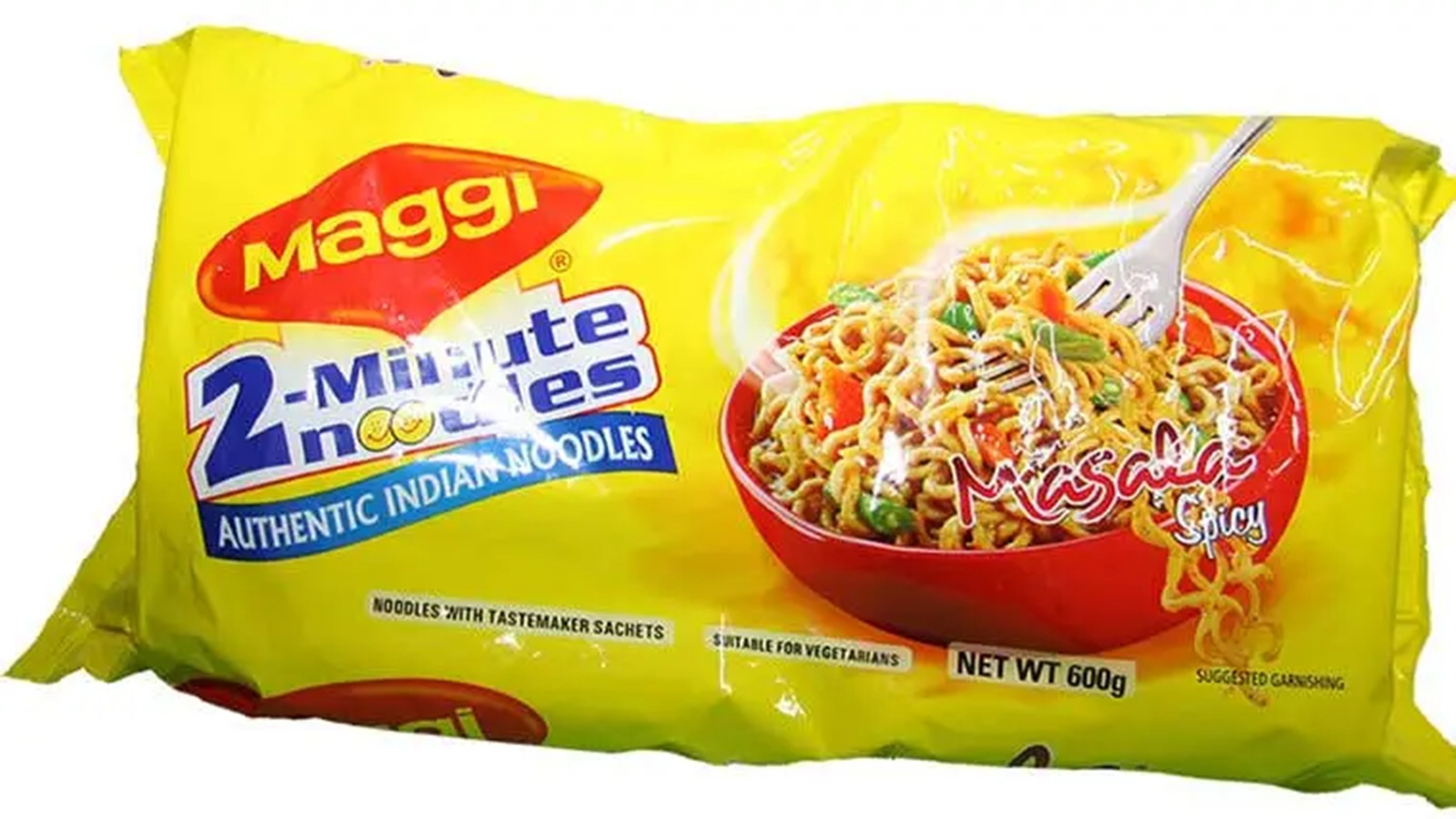
Amid growing debate over front-of-pack warning labels, Nestle CEO Philipp Navratil has called for industry consultation to ensure 'scientific' implementation of health labels in India.
- Nestle is seeking industry involvement in drafting new food and drink labelling regulations.
- The Supreme Court has criticized the Indian government for delays in implementing warning labels.
- Health activists argue that industry consultation is a tactic to weaken public health policies.
- Nearly 80% of India's packaged food market consists of high-fat, sugar, and salt products.
A significant debate has erupted in India regarding the implementation of front-of-pack health warning labels. Nestle, a global food giant, has officially requested the Indian government to consult with manufacturers while drafting new regulations. Philipp Navratil, CEO of Nestle, stated that while the company supports labelling for products high in sugar, salt, and fat, the process must be driven by scientific rigor and include industry perspectives.
This move comes at a critical juncture. The Narendra Modi administration had previously proposed warning labels but reportedly shelved the idea following intense opposition from industry heavyweights like Coca-Cola and Nestle. This resistance has sparked massive outrage among consumers and health experts on social media, pointing out a perceived double standard.
Why This Matters
BozokMedia analysis shows that the stakes are incredibly high for India's public health. With a packaged food and beverage market exceeding $100 billion, the nutritional content of these products directly impacts the nation's rising non-communicable disease rates. If corporations successfully lobby to dilute these rules, the long-term healthcare costs for the country could be catastrophic.
Nestle’s call for industry participation is a clear attempt to weaken public health policy, especially since they have used these labels in Europe since 2013.
The Supreme Court of India has intervened in this matter, slamming the New Delhi authorities for delays in implementing mandatory front-facing warning labels. The court's stance aligns with health activists who demand immediate action to protect citizens from deceptive or insufficient nutritional information.
Historical Background
For years, the FSSAI (Food Safety and Standards Authority of India) has struggled to balance industry interests with public health mandates. While international markets, particularly in Europe, have moved toward stricter transparency, the Indian market has seen a trend where global brands often alter product compositions to suit local tastes and regulatory loopholes, sometimes resulting in higher sugar or calorie content compared to their global counterparts.
| Feature | European Markets (Nestle) | Indian Markets (Nestle/Others) |
|---|---|---|
| Warning Labels | Voluntarily implemented since 2013 | Currently under debate/contested |
| Product Composition | Strictly regulated for health | Often higher in sugar/salt/fat |
Frequently Asked Questions
1. Why is Nestle asking for consultation?
Nestle claims that industry input is necessary to ensure that the new labelling rules are based on sound scientific principles.
2. What has the Supreme Court said?
The Supreme Court has criticized the government for its delay in implementing front-of-pack warning labels as requested by health activists.