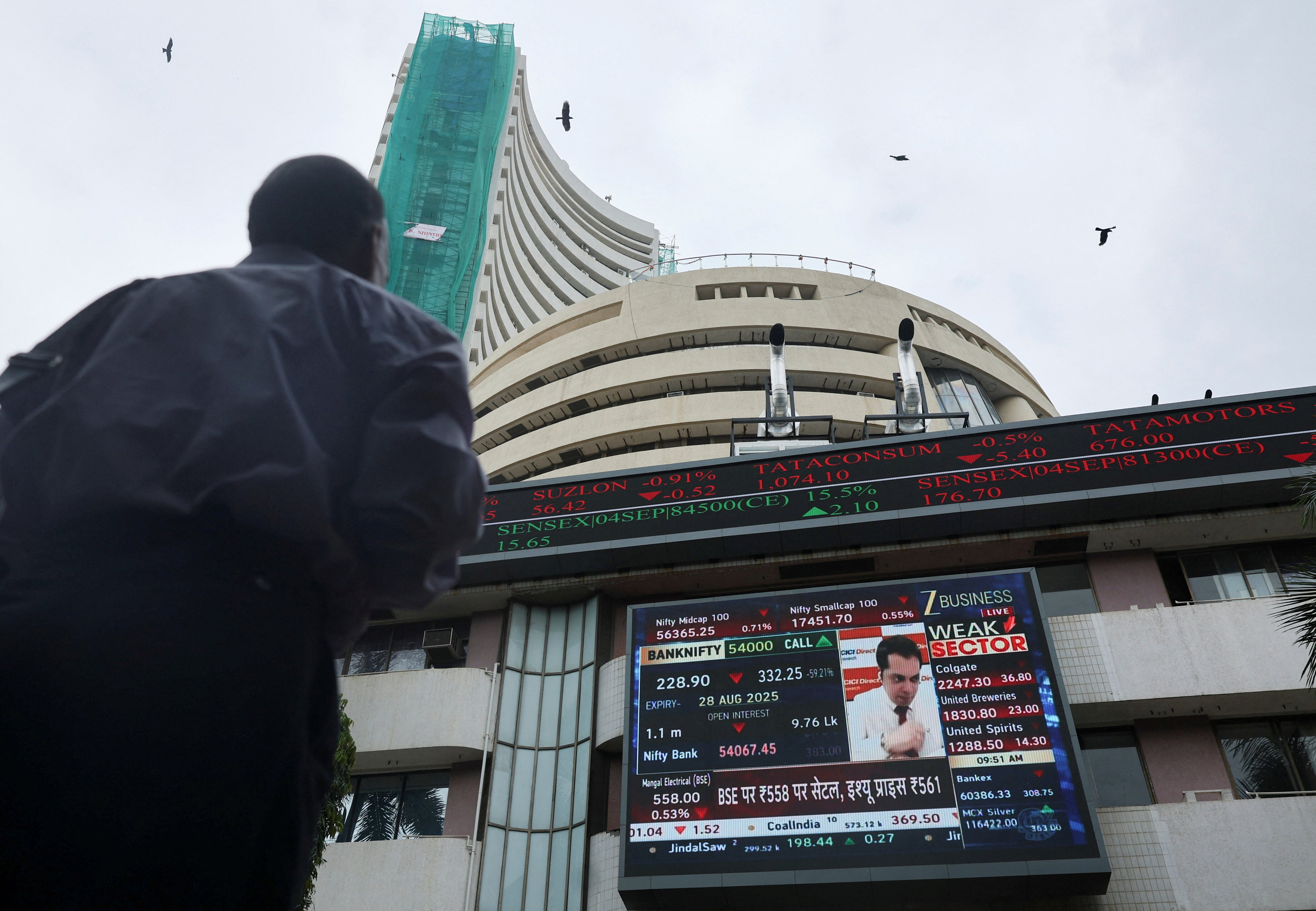
With sticky inflation and Fed uncertainty, defensive healthcare stocks like Abbott, Elevance Health, and UnitedHealth Group offer potential stability. This deep dive analyzes their dividend strength and risk profiles.
- Defensive sectors often outperform during periods of high inflation and market volatility.
- Abbott Laboratories offers a highly diversified healthcare portfolio with steady cash flows.
- UnitedHealth Group and Elevance Health provide exposure to recurring premium-based revenue models.
The current economic landscape is characterized by a complex mix of signals. Sticky July PCE inflation and a divided Federal Reserve have kept markets on edge, while softening retail sales suggest a potential slowdown in consumer spending. In such an environment, investors often pivot away from cyclical growth stocks toward companies with steady cash flows and reliable dividend payouts.
Analyzing High-Quality Defensive Plays
To navigate these crosscurrents, we examine three high-quality dividend stocks that sit at the intersection of healthcare necessity and financial resilience.
1. Abbott Laboratories (ABT)
Abbott Laboratories is a global powerhouse in the healthcare sector, boasting a market capitalization of approximately $200.9 billion. Its operations are deeply diversified, spanning medical devices, diagnostics, nutritional products, and established pharmaceuticals.
With roughly $22.5 billion in revenue from Medical Devices alone, Abbott is well-positioned to benefit from long-term trends in diabetes management and cardiovascular care. The introduction of advanced technologies like Libre Duo and Lingo provides a significant growth runway that complements its defensive dividend profile.
2. Elevance Health (ELV)
Elevance Health, with a market cap of $86.5 billion, operates primarily within the U.S. health benefits space. Through brands like Anthem Blue Cross and Blue Shield, the company manages a massive recurring premium model.
While the company offers a compelling 1.71% dividend, investors must remain mindful of thin net margins (around 2.5%) and the regulatory risks associated with Medicaid and ACA reimbursements. However, their integration of AI-driven cost controls presents a modern hedge against rising operational expenses.
3. UnitedHealth Group (UNH)
As a titan in the industry, UnitedHealth Group commands a massive $356.0 billion market cap. Its dual-pillar structure—UnitedHealthcare (insurance) and Optum (services/data)—creates a formidable moat.
The synergy between insurance premiums and Optum's data-driven pharmacy and healthcare services allows UNH to manage margins more effectively than many of its peers, making it a cornerstone for dividend-seeking investors.
Why This Matters
BozokMedia analysis shows that during periods of interest rate uncertainty, the ability of a company to maintain cash flow through essential services becomes the primary driver of stock resilience. Healthcare, being largely non-discretionary, provides a structural advantage against economic downturns.
In a volatile macro environment, the quality of earnings and the sustainability of dividends are more critical than pure growth projections.
| Company Name | Market Cap (Approx) | Primary Strength |
|---|---|---|
| Abbott Laboratories | $200.9B | Diversified Medical Tech |
| Elevance Health | $86.5B | Recurring Health Benefits |
| UnitedHealth Group | $356.0B | Integrated Insurance & Data |
Frequently Asked Questions
1. Why are defensive stocks preferred in uncertain markets?
Defensive stocks belong to industries that provide essential services, meaning demand stays stable even when consumers cut back on luxury spending.
2. What risks should I consider with dividend stocks?
Investors should look at payout ratios, debt levels, and whether the company's earnings can actually sustain the dividend during a recession.