Tamil Nadu Housing Minister B Rajkumar has unveiled a transformative package featuring digital land-use approvals, massive redevelopment of dilapidated flats, and interest relief for cooperative housing borrowers.
- Complete digitization of the land-use change application process.
- Introduction of self-certification for residential buildings up to 5,000 sq ft.
- ₹2,882.62 crore allocated for reconstructing 12,648 dilapidated flats.
- Interest waivers for LIG and MIG borrowers in cooperative housing societies.
In a significant move to modernize urban governance, Tamil Nadu Housing and Urban Development Minister B Rajkumar announced a comprehensive suite of reforms in the State Assembly. These measures are designed to streamline building approvals, accelerate urban development, and provide much-needed financial relief to housing allottees.
The centerpiece of these reforms is the digitization of the land-use change application process by the Directorate of Town and Country Planning (DTCP). By moving online, the government aims to reduce bureaucratic delays and enhance transparency. Furthermore, the government is expanding self-certification capabilities; residential buildings up to 5,000 sq ft and small commercial buildings up to 1,500 sq ft will now benefit from simplified approval tracks.
Why This Matters
BozokMedia analysis shows that by decentralizing approval powers to local bodies and introducing third-party certifications for larger industrial and commercial structures, Tamil Nadu is directly addressing the 'Ease of Living' and 'Ease of Doing Business' metrics, which are crucial for attracting industrial investment.
The shift toward digital governance and self-certification marks a paradigm shift in how urban infrastructure will be managed in Southern India.
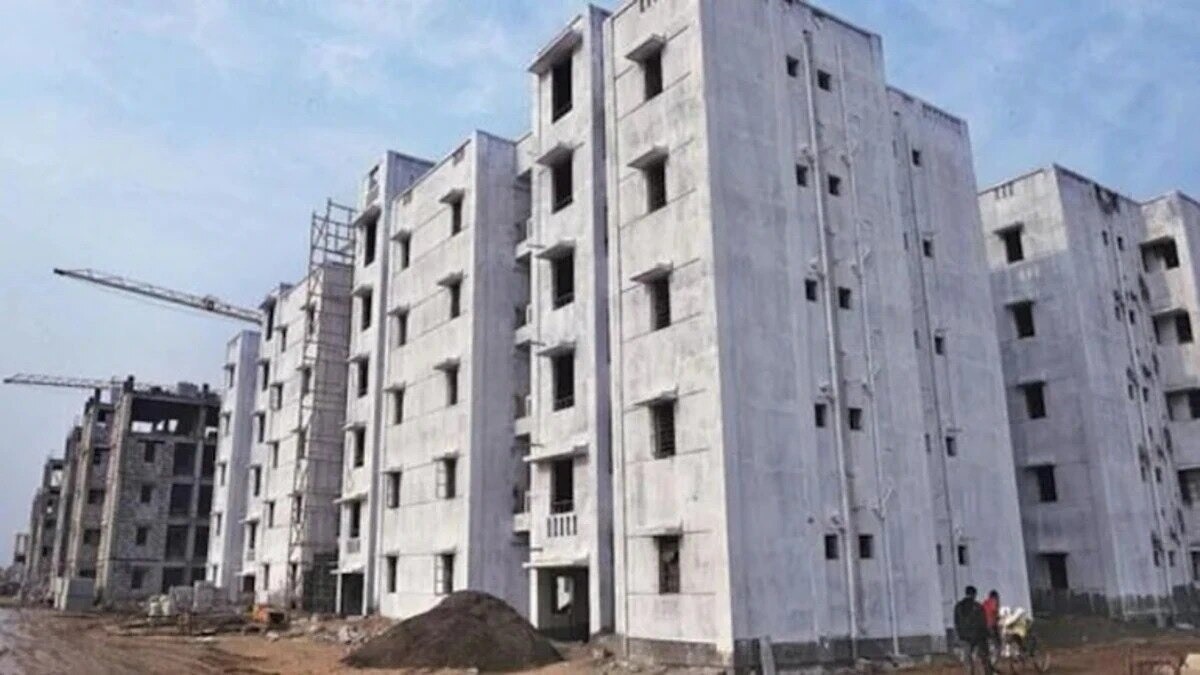
Addressing the crisis of aging urban infrastructure, the Tamil Nadu Urban Habitat Development Board has earmarked ₹2,882.62 crore for the large-scale reconstruction of 12,648 dilapidated flats across 20 project areas. The plan involves the immediate demolition of 9,918 unsafe units to ensure resident safety. Additionally, ₹96.63 crore will be utilized to renovate over 41,000 older flats, alongside infrastructure upgrades across 208 housing sites.
For the middle and lower-income segments, the government has introduced a critical financial cushion. Borrowers in primary cooperative housing societies who have faced repayment defaults will benefit from a broad interest waiver scheme. Notably, Low Income Group (LIG) and Middle Income Group (MIG) borrowers will receive an additional one percentage point interest waiver, significantly easing their long-term debt burden.
Historical Background
As one of India's most rapidly urbanizing states, Tamil Nadu has faced persistent challenges regarding land scarcity and the maintenance of aging public housing stocks. Historically, the state has relied on centralized approvals, which often led to bottlenecks in construction and urban expansion.
Frequently Asked Questions
1. How does the new self-certification rule help homeowners?
It allows owners of smaller residential properties to bypass lengthy manual inspections, speeding up the legal construction process.
2. What is the goal of the ₹2,882 crore housing project?
The primary goal is to replace unsafe, dilapidated housing units with modern, structurally sound residential complexes.

