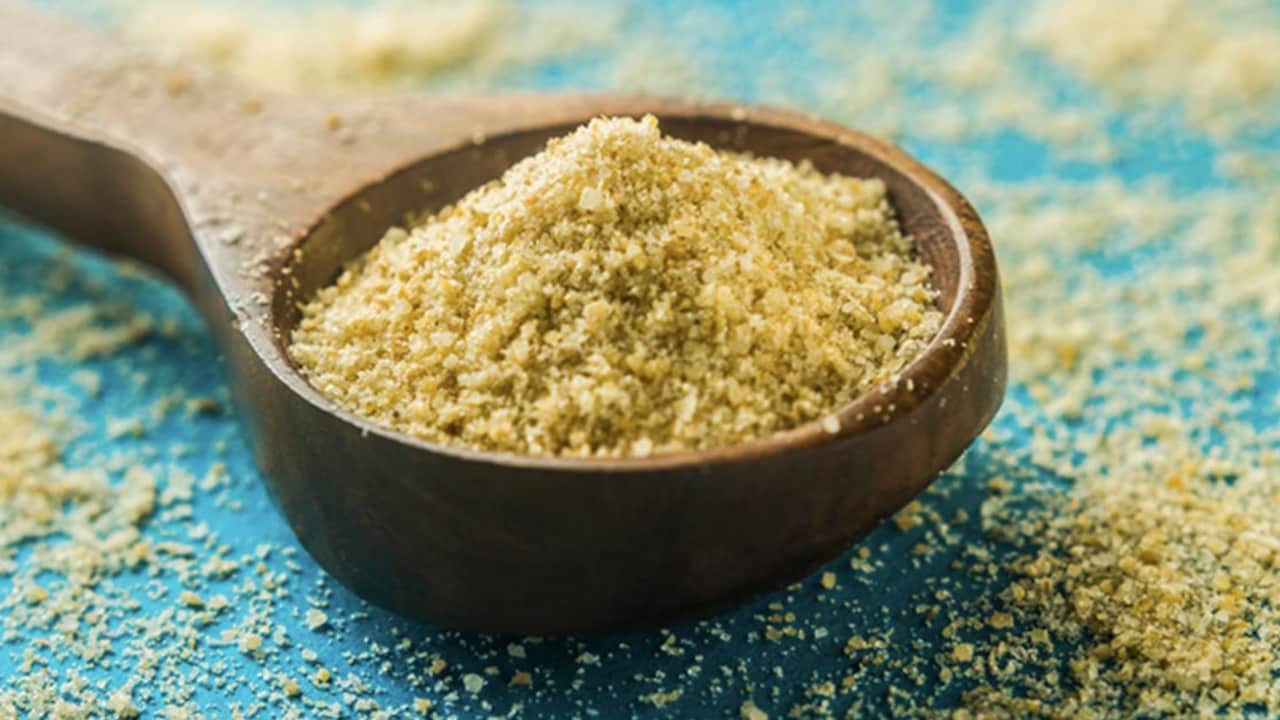
The Food Safety and Standards Authority of India (FSSAI) has imposed an immediate ban on the sale of compounded asafoetida (hing powder) from Everest and Laljee Godhoo brands after samples failed quality tests.
- FSSAI has prohibited the sale of Everest and Laljee Godhoo compounded asafoetida.
- Laboratory testing revealed the samples to be 'sub-standard'.
- The ban is effective immediately across all retail channels.
In a significant move to ensure food safety, the Food Safety and Standards Authority of India (FSSAI) has prohibited the sale of compounded asafoetida (hing powder) variants from two prominent brands: Everest and Laljee Godhoo. This regulatory action comes following reports that the products failed to meet mandatory quality benchmarks.
The decision was triggered after routine sampling and laboratory analysis revealed that the hing powder provided by these manufacturers was 'sub-standard'. Such a classification implies that the product does not conform to the specific composition or quality parameters prescribed under the Food Safety and Standards Act.
Why This Matters
BozokMedia analysis shows that this ban could trigger a ripple effect across the massive Indian spice market. As major players like Everest face scrutiny, it highlights the critical importance of supply chain integrity. For consumers, this is a direct health concern, as adulterated or low-quality spices can have long-term dietary implications.
Regulatory crackdowns on household names serve as a vital reminder that food safety compliance is non-negotiable for large-scale manufacturers.
Historically, the Indian spice industry has struggled with issues of adulteration and varying quality standards. Asafoetida, a staple in Indian cuisine known for its digestive properties, is a high-value ingredient often subject to scrutiny. This recent ban underscores the ongoing battle between regulatory bodies and manufacturers to maintain the sanctity of the kitchen pantry.
Industry experts suggest that companies will now need to undergo rigorous internal audits to regain consumer trust and ensure that their manufacturing processes align strictly with FSSAI guidelines. Consumers are advised to check batch numbers and avoid the banned variants until further notice.
Frequently Asked Questions
1. Does this ban apply to all Everest products?
No, the prohibition is specifically directed at their compounded asafoetida (hing powder) variants.
2. What does 'sub-standard' mean in this context?
It means the product failed to meet the minimum quality and composition standards set by the FSSAI.
