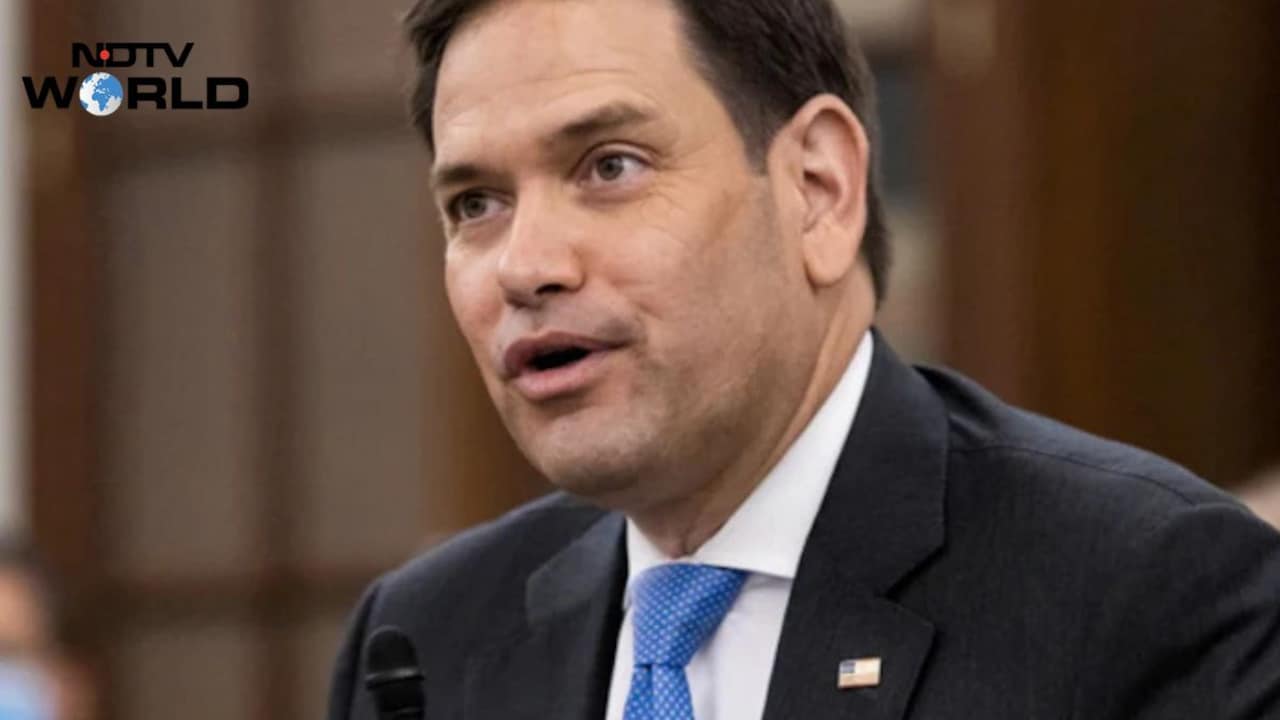
Senator Marco Rubio announced that a landmark oil deal is set to inject nearly $100 billion in private investment into Venezuela, creating thousands of high-paying jobs and stabilizing US energy prices.
- Nearly $100 billion in private investment is expected to flow into Venezuela.
- The deal will support the creation of thousands of high-paying jobs.
- The agreement aims to secure stable reserves and lower gas prices in the US.
In a major economic development, Senator Marco Rubio has highlighted the transformative potential of a new oil deal concerning Venezuela. According to Rubio, this strategic agreement is poised to attract approximately $100 billion in private investment, providing a massive boost to the nation's struggling economy.
Beyond the sheer capital injection, the deal is expected to act as a catalyst for employment, supporting thousands of high-paying jobs within the energy sector. This influx of capital and labor is seen as a critical step toward rehabilitating Venezuela's industrial infrastructure.
Why This Matters
BozokMedia analysis shows that this deal transcends simple trade; it is a strategic move to stabilize the global energy landscape. By unlocking Venezuelan production, the deal addresses the long-standing volatility in the oil market that affects economies worldwide.
This deal serves as a vital bridge between Venezuela's economic recovery and the enhancement of US energy security.
Historically, Venezuela has sat upon the world's largest proven oil reserves, yet political instability and international sanctions have prevented the country from fully capitalizing on its wealth. This new wave of investment seeks to bridge that gap between potential and production.
Furthermore, the implications for the United States are significant. Rubio noted that securing these reserves will help ensure stable energy supplies, which is a direct mechanism to lower gas prices for American consumers and mitigate inflationary pressures.
Frequently Asked Questions
1. How much investment is expected in Venezuela?
The deal is projected to bring in nearly $100 billion in private investment.
2. Will this affect US fuel costs?
Yes, the deal is intended to secure stable reserves, which helps in lowering gas prices in the US.