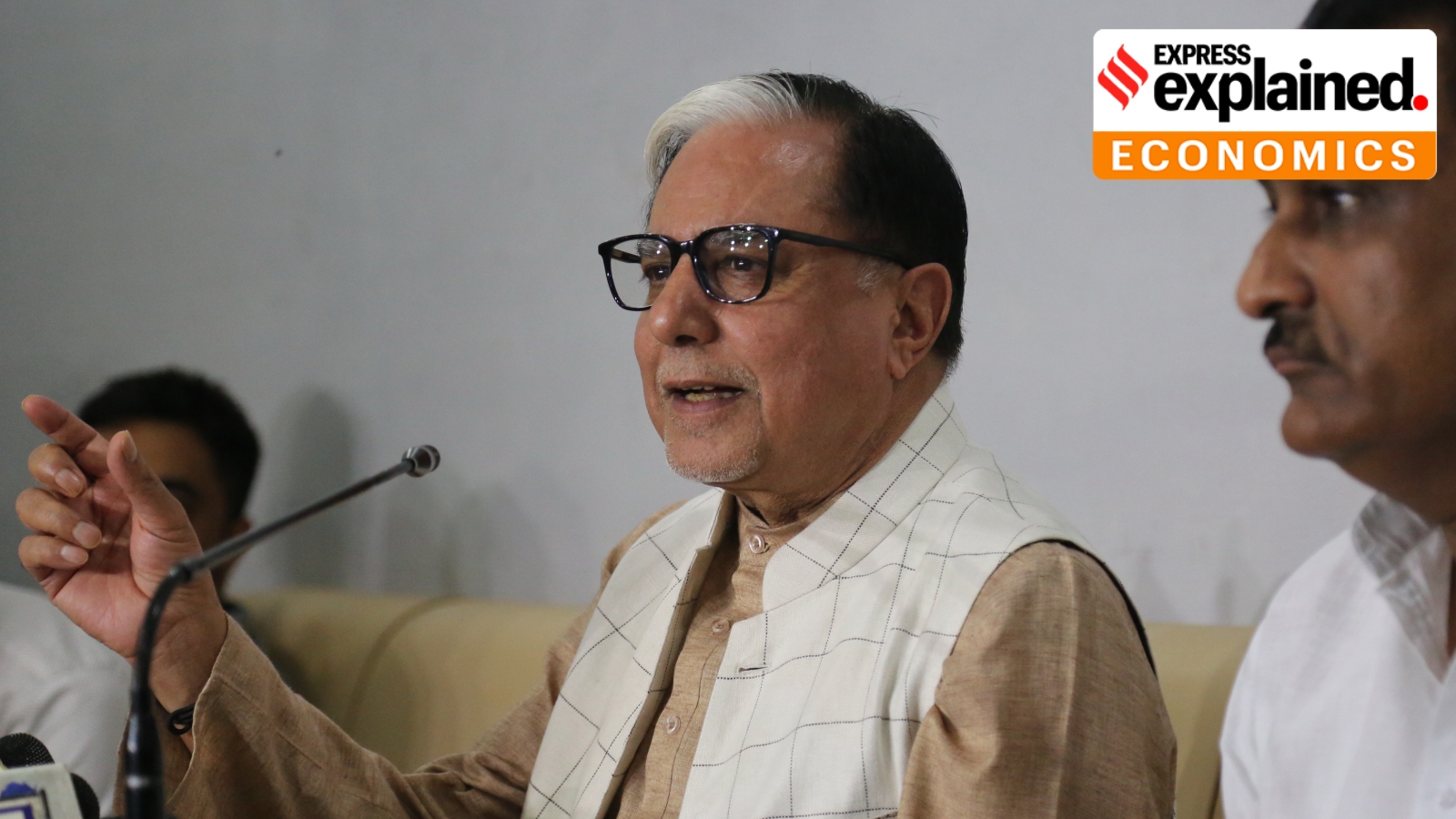
The NCLT's approval of a mere ₹6.5 crore repayment plan by Zee founder Subhash Chandra against massive claims has sparked intense debate over the effectiveness of the IBC recovery mechanism.
- The NCLT order involving Subhash Chandra highlights extreme 'haircuts' in the insolvency process.
- Recovery rates for banks plummeted to a five-year low of 20% in FY26.
- The core debate remains: Is the IBC's goal 'Resolution' or 'Recovery'?
A recent order by the National Company Law Tribunal (NCLT) regarding Zee Group founder Subhash Chandra has reignited one of the most contentious debates within the Insolvency and Bankruptcy Code (IBC) framework—the issue of deep "haircuts."
The tribunal approved a repayment plan where Chandra would pay only ₹6.5 crore to creditors, despite admitted claims amounting to a staggering ₹22,006.57 crore. This massive discrepancy has prompted major lenders, including HDFC Bank, to consider approaching the NCLAT for an appeal.
What is a 'Haircut'?
While not explicitly defined in the IBC, in banking terminology, a "haircut" refers to the reduction in the value of an asset used as collateral. It represents the portion of the debt that a lender agrees to forego to settle a claim. In the case of Subhash Chandra, the haircut is nearly total, given the vast gap between the claims and the proposed settlement.
Why This Matters
BozokMedia analysis shows that the widening gap between admitted claims and actual recovery poses a systemic risk to the banking sector. If lenders consistently face massive haircuts, it erodes capital adequacy and undermines the very purpose of credit discipline that the IBC was designed to instill.
The tension between saving a company through resolution and ensuring lender recovery is the defining challenge of India's insolvency regime.
The Recovery Trend: A Declining Curve
Data from the Ministry of Corporate Affairs reveals a troubling trend. While the IBC was meant to streamline recoveries, the realization rates have shown significant volatility and a recent downward spiral. In FY26, recovery stood at just 20%, the lowest in five years.
| Financial Year | Recovery Percentage (%) |
|---|---|
| FY22 | 24% |
| FY23 | 39% |
| FY24 | 28% |
| FY25 | 37% |
| FY26 | 20% (Lowest) |
Resolution vs. Recovery: The Government's Stance
The Union Finance Ministry has maintained that the primary objective of the IBC is "resolution, not recovery." The government argues that the market determines the value of assets available on the ground, and since many claims include non-performing assets (NPAs) and accumulated interest, the recovery percentage may look deceptively low.
However, banks argue that the issue lies in the valuation of stressed companies. They suggest that opacity in the process and inadequate accounting of all available assets lead to excessive haircuts that harm the financial health of lending institutions.
Frequently Asked Questions
1. Why do banks face 'haircuts' during insolvency?
Haircuts occur when the value of a company's assets is significantly lower than the total debt owed to creditors at the time of insolvency.
2. Can a lender challenge an NCLT decision?
Yes, lenders can appeal NCLT orders at the National Company Law Appellate Tribunal (NCLAT).